Are Amaryllis Plants Toxic To Cats


Amaryllis plants are toxic to cats due to lycorine, a harmful alkaloid in various plant parts. Ingestion can cause vomiting, diarrhea, and abdominal pain. The bulb poses high toxicity risks, while flowers contain calcium oxalate crystals harmful to cats. Prompt veterinary care for symptoms like drooling, lethargy, and low blood pressure is essential. Treatment involves toxin removal through vomiting induction and activated charcoal administration. Prevent poisoning by keeping amaryllis out of reach and opting for cat-friendly alternatives. Monitoring for symptoms post-ingestion is important. Take proactive steps to safeguard feline friends.
Amaryllis Toxicity in Cats

Amaryllis toxicity in cats poses a significant health risk due to the presence of lycorine, a toxic alkaloid found in various parts of the plant. When a cat ingests any part of the amaryllis plant, such as the bulb, leaves, or flowers, it can lead to a range of symptoms. These symptoms include vomiting, diarrhea, and abdominal pain, making it essential to keep these plants out of reach of feline companions.
Among the plant parts, the bulb is particularly dangerous due to its high toxicity levels. Cats may also experience harm to their mouths from the calcium oxalate crystals present in amaryllis flowers. Recognizing the potential risks of amaryllis ingestion is vital for maintaining the well-being of cats.
Symptoms of Amaryllis Poisoning
Exposure to toxic compounds in the amaryllis plant can manifest in cats through a range of distinctive symptoms. These symptoms of amaryllis poisoning in cats may include:
- Vomiting
- Diarrhea
- Abdominal pain
- Excessive drooling
In addition to these primary symptoms, cats may also exhibit signs of lethargy, depression, tremors, and loss of appetite after ingesting parts of the amaryllis plant. It's important to emphasize that amaryllis poisoning can lead to more severe effects such as low blood pressure and respiratory depression in cats.
Immediate veterinary care is necessary if a cat shows any of these symptoms, as prompt treatment can greatly improve the outcome.
Treatment for Amaryllis Ingestion
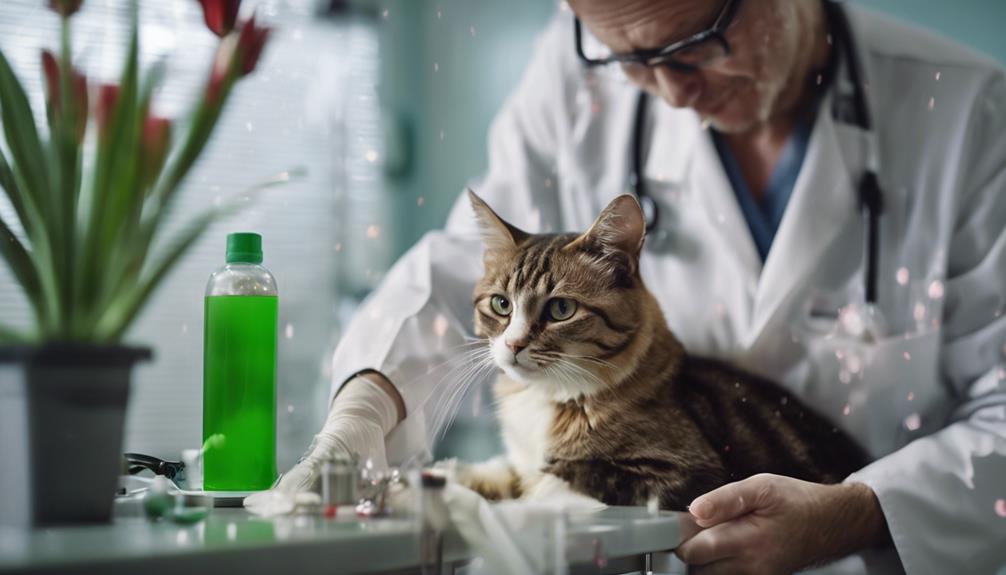
In cases of amaryllis ingestion by cats, prompt veterinary intervention is vital to minimize potential harm and safeguard the well-being of the animal. Treatment for amaryllis ingestion involves steps such as inducing vomiting to remove the toxic substance from the cat's system and administering activated charcoal to absorb any remaining toxins. Even if the cat seems fine post-ingestion, veterinary care is essential as complications can arise. Monitoring for symptoms like vomiting, diarrhea, and lethargy is necessary to safeguard the cat's well-being. Immediate intervention and close monitoring can help prevent severe consequences of ingesting poisonous plants like amaryllis.
| Veterinary Intervention | Inducing Vomiting | Activated Charcoal |
|---|---|---|
| Essential for treatment | Helps remove toxins | Absorbs remaining toxins |
Preventing Amaryllis Poisoning in Cats
When considering the safety of cats in environments where plants may pose a risk, proactive measures to prevent accidental ingestion become paramount. To safeguard your feline companions from potentially toxic plants like the Amaryllis, consider the following preventive actions:
- Keep amaryllis plants out of reach of cats to avoid poisoning incidents.
- Regift bouquets containing amaryllis or place them in areas inaccessible to cats.
- Supervise cats around amaryllis plants in the garden to make sure they do not ingest them.
- Install netting or fencing to create barriers between cats and Toxic Plants like amaryllis.
Can Begonias Poisoning in Cats be Similar to Amaryllis Toxicity?
When it comes to begonias and cat safety, it’s important to know that both begonias poisoning in cats and amaryllis toxicity can cause similar symptoms like vomiting, diarrhea, and drooling. Keep these plants out of reach and seek immediate veterinary care if your cat ingests them.
Amaryllis Plant Alternatives for Cat-Friendly Homes
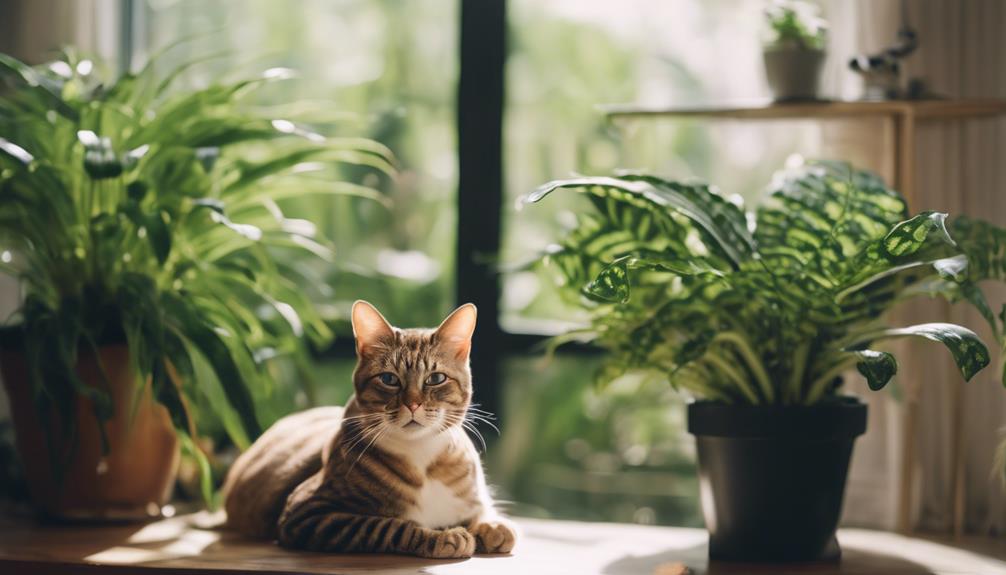
Cat-friendly homes can benefit from planting alternatives to toxic amaryllis plants, such as catnip or cat grass. Catnip is a safe and enjoyable option for cats, offering stimulation and relaxation without any toxicity concerns. On the other hand, cat grass serves as a beneficial alternative by aiding in digestion and deterring cats from consuming toxic plants like amaryllis.
Opting for non-toxic plants creates a safe environment that promotes the well-being of your feline companions. By selecting these cat-friendly alternatives, you can mitigate the risk of poisoning and establish a healthier space for your cats to roam and play. Making informed choices about the plants in your home is essential for ensuring the safety and happiness of your beloved pets.