Are Bengal Cats Aggressive


Bengal cats typically aren't aggressive towards humans, showing affection and loyalty. They thrive on interaction and care, making them suitable companions. However, they may display aggression towards other pets due to their hunting instincts. Monitoring their interactions and providing proper socialization are vital. Aggression triggers like fear, lack of stimuli, and health issues can lead to behavioral problems. Training with positive reinforcement, interactive toys, and consistency can help manage aggression. Seeking professional advice for tailored solutions is beneficial. Understanding their behavior and creating a safe environment are key to fostering a harmonious relationship with Bengal cats.
Common Misconceptions About Bengal Cats

Misunderstandings surrounding Bengal cats often stem from misattributing their natural behaviors to aggression. Due to their wild ancestry, Bengals possess a high energy level and strong hunting instincts. These traits, misunderstood by those unfamiliar with the breed, are often mistaken for aggression. However, it is vital to differentiate between these natural behaviors and actual aggression.
Bengal cats are intelligent, trainable, and loyal companions when given proper care and understanding. Responsible ownership entails dispelling misconceptions about their aggression and recognizing their unique characteristics. By acknowledging the trainable and loyal nature of Bengal cats, owners can develop a strong bond with their feline friends.
Understanding their behavior is key to providing appropriate care and fostering a harmonious relationship.
Signs of Aggression in Bengal Cats
When observing Bengal cats for signs of aggression, it is important to pay attention to their body language and vocalizations. Signs of aggression in Bengal cats include hissing, growling, swatting, biting, and scratching, particularly towards other animals.
Aggressive behavior can be triggered by fear, territorial issues, or lack of socialization. Increased vocalization, raised fur, and tense body posture are common indicators of aggression in this domestic cat breed.
Addressing the underlying cause of aggression is essential for managing such behavior in Bengal cats. By understanding these signs and triggers, owners can take appropriate steps to help their Bengal cats feel more secure and reduce aggressive tendencies.
Understanding Bengal Cat Behavior
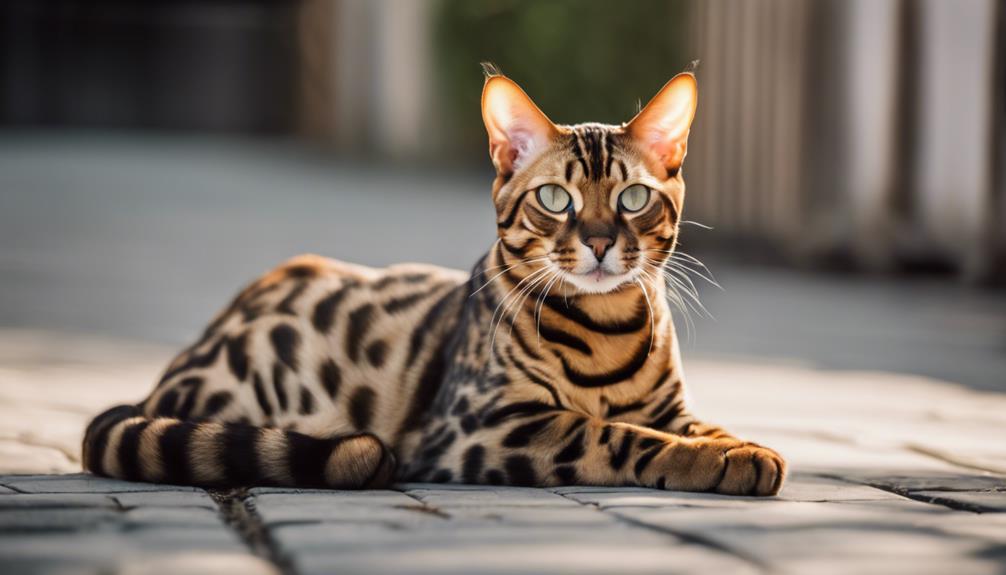
Understanding Bengal cat behavior is essential for fostering a harmonious relationship with these unique felines. Recognizing aggression triggers and employing positive behavior reinforcement techniques are key aspects of understanding their behavior.
Aggression Triggers
Bengal cats' propensity for aggression can often be misinterpreted due to their innate energetic nature and strong hunting instincts. Various factors can trigger aggression in this cat breed, including inadequate training, trauma, boredom, and health issues.
It is important to provide proper care, consistent training, and to understand Bengal cats' behavior to effectively manage aggression. Bengal cats may exhibit different types of aggression such as fearful, maternal, and territorial. Recognizing signs of aggression and addressing underlying causes are essential steps in dealing with aggressive behavior in Bengal cats.
Positive Behavior Reinforcement
Positive reinforcement techniques are crucial in shaping Bengal cat behavior. Rewarding desired behaviors with treats or playtime can effectively train Bengal cats. Consistency in these techniques is key to reinforcing good behavior. Clicker training and verbal praise can strengthen the bond with Bengal cats. Avoiding punishment-based methods and focusing on positive reinforcement is essential. Consistently rewarding positive behaviors helps Bengal cats learn expectations and build trust with their owners. This approach fosters a harmonious relationship between Bengal cats and their human companions.
Aggression Triggers in Bengal Cats
Aggression triggers in Bengal cats can stem from a variety of factors, including inadequate training, trauma, boredom, and health issues.
When it comes to understanding why Bengal cats may exhibit aggression, several triggers play a significant role:
- Past Trauma: Previous negative experiences can lead to fear-based aggression in Bengal cats.
- Lack of Mental Stimulation: Boredom and insufficient enrichment activities can result in frustration and aggression.
- Health Problems: Underlying health issues, such as pain or discomfort, may cause a cat to act out aggressively.
- Environmental Stress: Changes in the environment or lack of a safe space can trigger territorial aggression.
- Socialization Deficits: Inadequate early socialization can contribute to aggressive behaviors in Bengal cats.
Managing Aggression in Bengal Cats
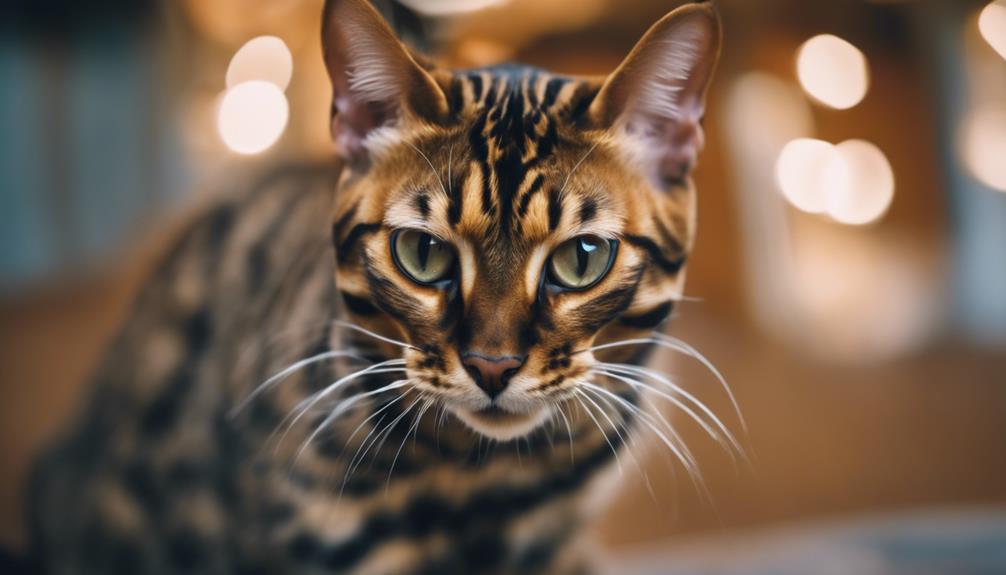
When managing aggression in Bengal cats, behavior modification techniques, consistent training methods, and environmental enrichment strategies play significant roles. By implementing these approaches, cat owners can effectively address various forms of aggression displayed by Bengal cats.
Understanding the root causes and tailoring solutions based on specific aggression types are important for successful aggression management in these feline companions.
Behavior Modification Techniques
To effectively manage aggression in Bengal cats, implementing consistent behavior modification techniques is essential. Bengal cats are known for their energetic and sometimes feisty nature, requiring specific strategies to address any aggressive tendencies.
Here are some effective behavior modification techniques for managing aggression in Bengal cats:
- Positive Reinforcement: Rewarding good behavior encourages desired actions.
- Consistency: Maintaining a regular training routine helps in managing aggression effectively.
- Interactive Play: Providing mental and physical stimulation through play sessions can redirect aggressive behaviors.
- Identifying Triggers: Understanding the root cause of aggression assists in implementing suitable behavior modification strategies.
- Professional Guidance: Consulting a veterinarian or animal behaviorist can offer tailored solutions for handling aggression in Bengal cats.
Consistent Training Methods
Implementing consistent training methods is essential for effectively managing aggression in Bengal cats. Positive reinforcement techniques, such as rewarding good behavior, can be instrumental in shaping desired behaviors in these cats.
Regular training sessions not only provide mental stimulation but also help investigate any aggressive tendencies. It is important to explore the root cause of aggression to tailor training methods accordingly.
Consistency, patience, and clear communication are paramount when dealing with aggression in Bengal cats. By employing structured training methods consistently, pet owners can create a positive environment that encourages good behavior and minimizes aggressive outbursts in their Bengal cats.
Environmental Enrichment Strategies
Environmental enrichment strategies play an essential role in managing aggression in Bengal cats by providing mental stimulation and outlets for natural behaviors. Here are five effective strategies to help reduce aggression in Bengal cats:
- Providing interactive toys and puzzle feeders for mental stimulation.
- Offering vertical spaces like cat trees and shelves for climbing to reduce stress.
- Rotating toys and play sessions to prevent boredom and stimulate hunting instincts.
- Providing scratching posts and designated areas for scratching to satisfy territorial marking needs.
- Implementing a consistent routine and creating safe spaces for retreat to alleviate anxiety.
Aggressive Tendencies Towards Humans
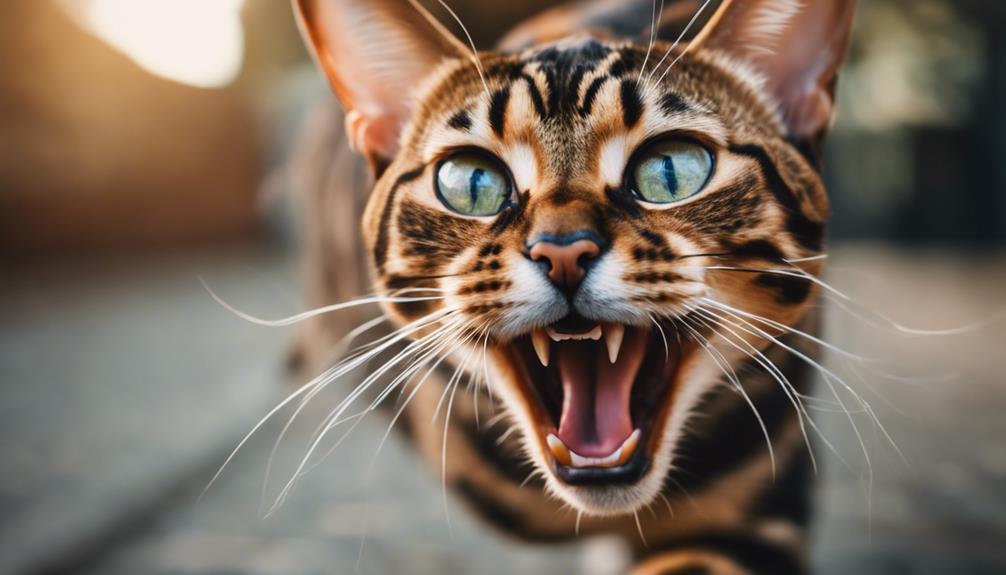
Aggression towards humans is an uncommon trait among Bengal cats, as evidenced by documented cases and their reputation for forming strong bonds with their owners. Bengals are known for their loyalty and affectionate nature towards people, which contradicts any aggressive tendencies towards humans.
While some cats may display aggression, it is not a common behavior in Bengals. In fact, responsible breeding practices often prioritize temperament, aiming to reduce the likelihood of aggression towards humans.
The focus of any aggressive behavior in Bengal cats is typically directed towards other animals rather than their human companions. As a result, Bengal cats are not prone to showing aggression towards humans, making them suitable pets for those seeking a loving and devoted feline companion.
Aggression Towards Other Pets
Given Bengal cats' natural hunting instincts and territorial behavior towards other pets, it is important for owners to understand and address potential aggression issues in multi-pet households.
- Introduce Bengal cats to other pets as kittens to aid in better socialization.
- Be cautious with smaller animals like birds or rodents due to Bengal cats' predatory instincts.
- Keep Bengal cats indoors to prevent aggressive behavior towards other pets and maintain their safety.
- Responsible ownership involves managing Bengal cats' predatory nature for a harmonious environment with other pets.
- Monitor interactions between Bengal cats and other pets closely to prevent potential conflicts.
Training Tips for Aggressive Bengal Cats
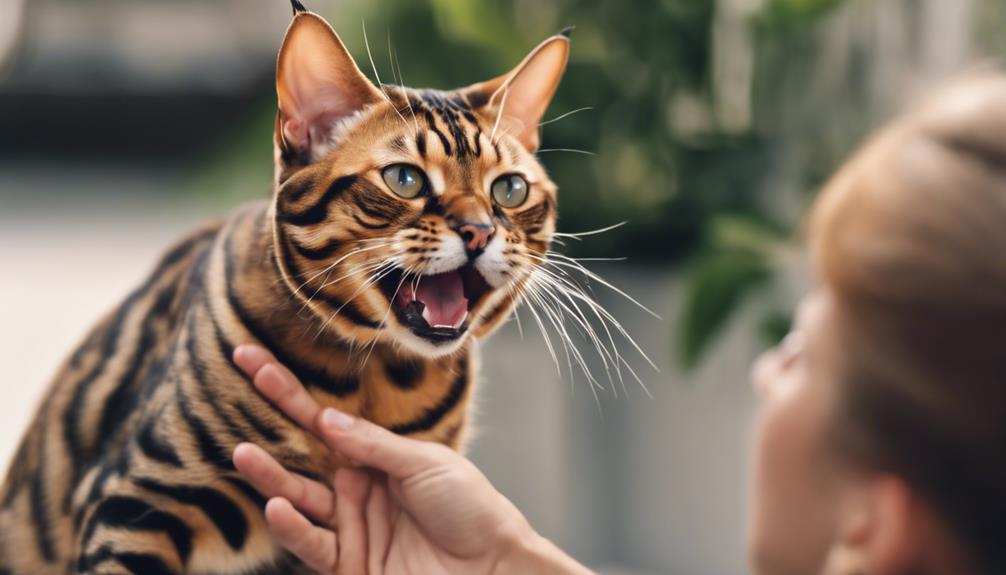
To address aggression in Bengal cats, implementing positive reinforcement techniques and providing mental stimulation through interactive toys are effective training methods. Consistency in training is essential for modifying aggressive behaviors. Addressing underlying causes like fear or territorial behavior is also vital. Here is a table summarizing training techniques for aggressive Bengal cats:
| Training Techniques | Description | Benefits |
|---|---|---|
| Positive Reinforcement | Rewarding good behavior with treats or praise | Encourages desired behaviors |
| Interactive Toys | Toys that provide mental stimulation and physical activity | Prevents boredom and redirects aggressive energy |
| Clicker Training | Using a clicker to mark desired behaviors and reward them | Helps in precise communication |
Seeking Professional Help for Aggression
Seeking guidance from a qualified veterinarian or certified animal behaviorist is vital when addressing severe cases of aggression in Bengal cats. These professionals can offer valuable insights and develop tailored strategies to manage and reduce aggressive behaviors in Bengal cats.
Here are five reasons why seeking professional help is essential for cat owners:
- Veterinarians and behavior experts can accurately identify the root causes of aggression in Bengal cats.
- Professional guidance can lead to effective solutions for dealing with different types of aggression displayed by Bengal cats.
- Behavior specialists can provide personalized advice on creating a safe and comfortable environment for Bengal cats.
- Consulting with professionals ensures that cat owners receive expert recommendations on behavior modification techniques.
- Seeking professional help enhances the overall well-being and quality of life for both Bengal cats and their owners.
Are Aggressive Bengal Cats More Likely to be Banned in Certain States?
The legality of Bengal cats by state varies across the US. Some states have stricter regulations on owning these exotic pets, while others permit them with certain conditions. Aggressive behavior can impact the likelihood of Bengal cats being banned in certain states, depending on local laws and regulations.
Creating a Safe Environment for Bengal Cats

Exploring ways to establish a secure and nurturing environment for Bengal cats is pivotal in promoting their well-being and minimizing aggressive tendencies. Providing vertical spaces like cat trees and shelves in peoples' houses can offer Bengals a safe vantage point to observe their environment.
Interactive toys and puzzle feeders can engage Bengal cats mentally, reducing the likelihood of aggressive behavior. Creating separate feeding areas for multiple cats can prevent resource guarding and potential conflicts.
Utilizing calming pheromone diffusers or sprays can help reduce stress and aggression in Bengal cats. Establishing a consistent routine for feeding, playtime, and rest can promote a sense of security and stability for Bengals living in peoples' houses.