Are Cat Owners Smarter Than Dog People


Research indicates that cat owners tend to exhibit higher intelligence levels compared to dog people. This correlation suggests a potential link between pet preference and intellectual capabilities. Cat lovers are often described as independent, creative individuals who prioritize expediency over rule-following. On the other hand, dog enthusiasts tend to display extroverted, warm traits with a strong sense of rule-consciousness. Understanding these distinctions in pet ownership can offer valuable insights into human behavior and individual characteristics. Further exploration into the relationship between pet choice and cognitive abilities may reveal fascinating connections worth considering.
Intelligence and Pet Preference Correlation
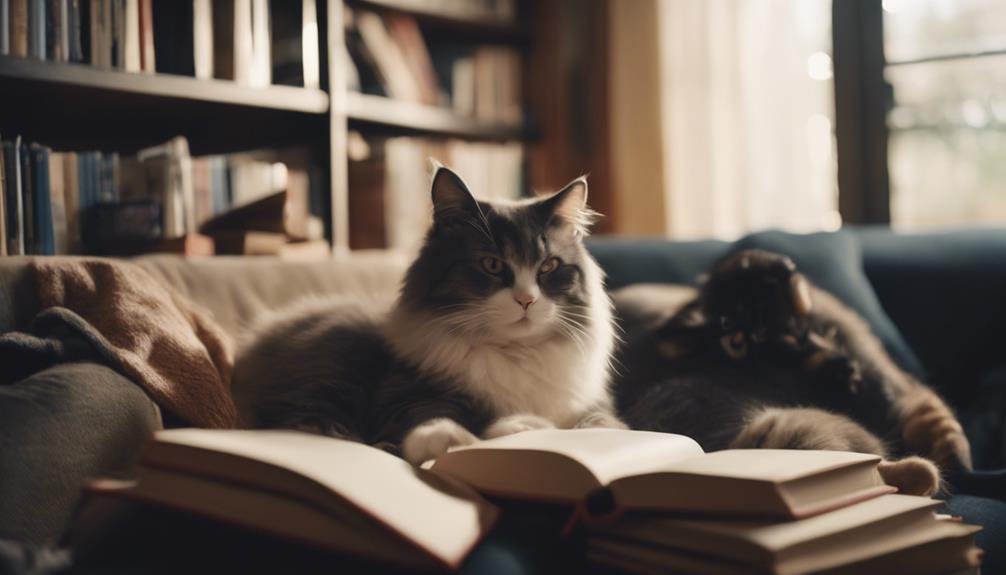
The correlation between intelligence and pet preference has been a subject of interest, with research indicating distinct differences in cognitive profiles between cat owners and dog lovers.
A study from Carroll University revealed that cat lovers tend to score higher in intelligence compared to their dog-loving counterparts. This finding suggests a potential link between pet preference and intellectual capabilities. Cat owners, known for their preference for expediency over rule-following, exhibit unique personality traits that set them apart.
On the other hand, dog lovers are often characterized as more lively, showcasing different personality traits based on their pet preference. Understanding the relationship between pet ownership, intelligence, and personality can provide valuable insights into human behavior and individual characteristics.
Personality Traits of Cat Owners
Cat owners exhibit personality traits such as independence and creativity. These individuals often value their autonomy and have a knack for thinking outside the box.
Their ability to be self-sufficient and innovative shapes their unique characteristics as cat owners.
Cat Owners Independence
Characterized by traits such as shyness, independence, and a penchant for nonconformity, individuals who prefer feline companions exhibit a distinct set of personality attributes. Cat owners tend to value their independence, often displaying a self-sufficient nature that aligns with their reasoning abilities and open-mindedness.
Research indicates that these individuals are non-conformists, thinking abstractly and embracing their uniqueness. Their inclination towards solitude and introspection fosters a sense of self-reliance, contributing to their open-minded approach to life.
This combination of traits sets cat owners apart, showcasing their ability to navigate challenges with a blend of creativity, logic, and emotional sensitivity. The preference for cats reflects a deep-rooted aspect of their personality that values independence and thoughtful contemplation.
Cat Owners Creativity
Individuals who favor feline companions often exhibit a unique blend of creativity, independence, and self-sufficiency, reflecting their distinct personality traits. Cat owners are known for their ability to think abstractly, which often translates into innovative and imaginative problem-solving skills. This creativity is apparent in various aspects of their lives, from artistic endeavors to unconventional solutions to everyday challenges. Their independence and self-sufficiency further enhance their creative abilities, as they are comfortable exploring new ideas and concepts on their own. The table below highlights how these characteristics manifest in cat owners:
| Personality Trait | Description |
|---|---|
| Creativity | Innovative thinking and imaginative problem-solving skills |
| Independence | Comfort in exploring new ideas and concepts independently |
| Self-Sufficiency | Ability to function autonomously and rely on oneself for solutions |
| Abstract Thought | Capacity for thinking in unconventional and creative ways |
Characteristics of Dog Lovers
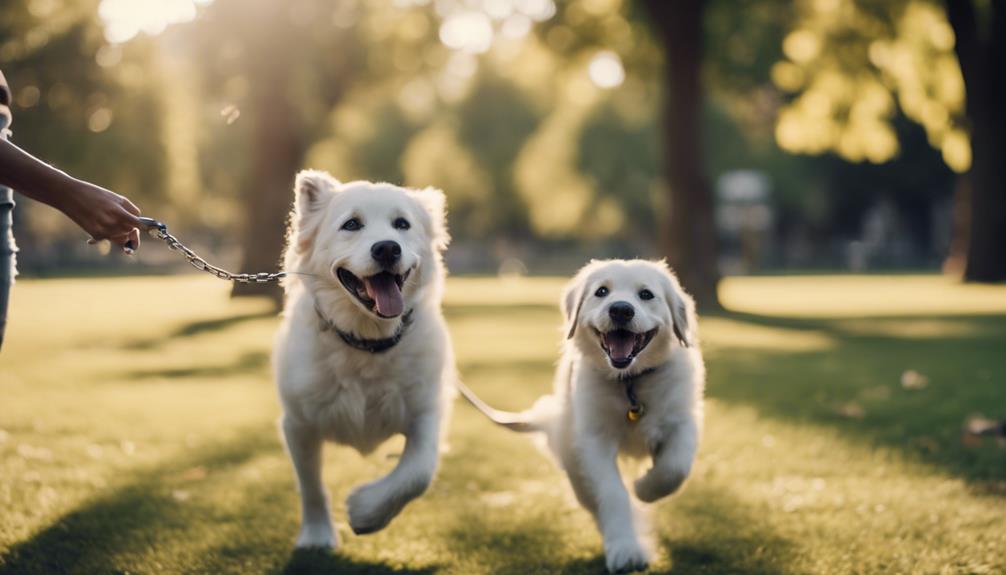
People who prefer dogs are often characterized by their extroverted and warm personalities, along with a strong sense of rule-consciousness, as indicated by studies. Traits of dog lovers typically include being grounded, pragmatic, and dutiful individuals. They are described as warm, outgoing, sociable, expressive, and group-oriented. Dog people tend to score higher on rule consciousness and liveliness in personality assessments.
However, traits inhibiting creativity are more common in dog lovers compared to cat lovers. Despite this, their extroverted nature and strong sense of responsibility make them loyal and reliable companions. Understanding these traits can provide insight into why some individuals are drawn to dogs over cats.
Insights Into Human Behavior
In exploring insights into human behavior through the lens of pet ownership, researchers have uncovered intriguing correlations between personality traits and preferences for cats or dogs.
Studies show cat people are often characterized as non-conformists who prioritize expediency over following rules. Cat owners tend to exhibit higher intelligence levels compared to dog lovers, suggesting a potential link between pet choice and cognitive abilities.
This indicates that cat educating may attract individuals with distinct personality traits, such as independence and creativity. The findings imply that the choice between cats and dogs may reflect deeper aspects of human behavior and preferences.
Further research into the relationship between pet ownership and personality traits could provide valuable insights into the complexities of human-animal companionship.
Potential Differences in Pet Choice

The selection of companion animals reflects distinct preferences shaped by personality traits and lifestyle choices. When it comes to choosing between cats and dogs, individuals tend to align their preferences based on their unique characteristics.
Here are some potential differences in pet choice:
- Cat lovers often exhibit more creative and independent personality traits.
- Research indicates that cat lovers tend to score higher on intelligence tests compared to dog lovers.
- Dog owners typically enjoy outdoor activities and socializing, reflecting a more extroverted nature.
- Cats are favored by introverted and sensitive individuals who prefer indoor activities, showcasing a preference for independence and a quieter lifestyle.
Cat Peoples Non-Conformity
Research conducted by Carroll University shed light on the non-conformist nature of cat owners.
The study revealed a tendency among cat lovers to prioritize efficiency over strict adherence to societal norms.
This unique trait of non-conformity emerged as a distinguishing feature of individuals who prefer feline companionship.
Unique Feline Bonds
With a propensity for independence and a penchant for non-conformity, cat owners form unique feline bonds that reflect their intelligence and open-mindedness. This special connection goes beyond the conventional pet-owner relationship, showcasing the distinct characteristics of cat lovers. Here are some key aspects of the unique bond between cat owners and their pets:
- Independence: Cats are known for their independent nature, attracting individuals who appreciate the freedom and autonomy that cats embody.
- Non-Conformity: Cat owners often exhibit non-conformist behaviors, preferring to think and act outside the traditional norms.
- Intelligence: Studies have shown that cat owners tend to score higher in intelligence tests, indicating a correlation between intellect and feline companionship.
- Open-Mindedness: The preference for cats over more conventional pets like dogs suggests a level of open-mindedness and willingness to embrace uniqueness in pet choices.
Independent Cat Care
Preferring autonomy and embracing uniqueness in their pet choices, cat owners exhibit a distinctive approach to independent cat care that mirrors their non-conformist nature. Research by Carroll University revealed that cat owners tend to prioritize expediency over conforming to traditional pet care norms.
This preference for independent cat care is indicative of cat owners' intelligence and non-conformist personality traits. The study also highlighted that cat lovers scored higher in intelligence compared to dog owners, further emphasizing their inclination towards non-conformity.
Cat owners' tendency towards independence and creativity align seamlessly with their unique approach to caring for their feline companions. This independent and non-conformist attitude towards cat care showcases the distinct personality traits that set cat owners apart in the domain of pet ownership.
Dog Peoples Liveliness
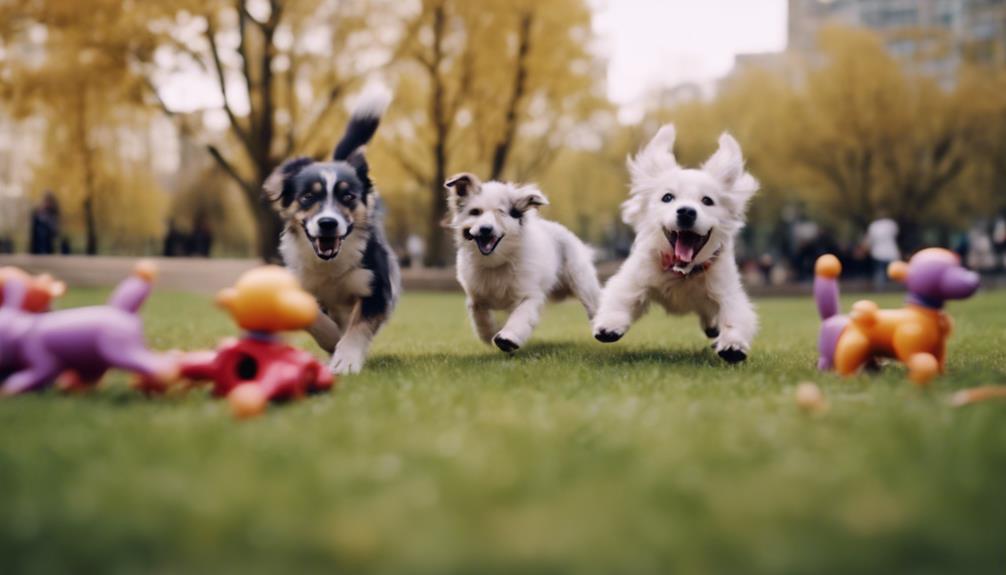
Characterized by a vibrant and energetic demeanor, dog owners often exude a palpable liveliness in their personalities, as evidenced by a study conducted at Carroll University. This liveliness is a key trait that distinguishes dog people from other pet owners. The study revealed several remarkable findings regarding the liveliness of dog owners:
- Dog lovers tend to exhibit higher levels of energy and enthusiasm.
- They are often described as spirited and outgoing individuals.
- The correlation between owning a dog and being lively was significant.
- Liveliness was identified as a prominent feature associated with those who prefer dogs as pets.
Understanding Pet Preferences
Pet preferences offer valuable insights into human behavior and the intricate connections to personality traits and intelligence levels.
Research has shown that there is a correlation between pet ownership and personality traits, with cat owners often displaying non-conformist tendencies valuing expediency over rules, while dog lovers are typically described as lively and extroverted.
A study by Carroll University even found that cat enthusiasts tend to score higher in intelligence compared to their canine-loving counterparts.
By understanding these pet preferences, we can gain a better understanding of human behavior and potentially uncover links to intelligence levels.
This connection between pet ownership, personality traits, and intelligence provides a fascinating avenue for exploring the complexities of human-animal relationships.
Do Cat Owners Believe Cats Are Smarter Than Dogs?
When it comes to cats vs dogs intelligence, many cat owners believe that their feline friends are actually smarter than dogs. They argue that cats are independent, have impeccable problem-solving skills, and are more strategic in their behavior. However, others may argue that intelligence can vary greatly among individual animals.
Implications for Human Intelligence
The correlation between pet ownership preferences and human intelligence presents intriguing implications for understanding cognitive abilities and personality traits.
- Cat owners scored higher in intelligence compared to dog owners according to research by Carroll University.
- Potential correlation exists between pet ownership preferences and human intelligence.
- Understanding the personality traits associated with cat owners may provide insights into human cognitive abilities.
- Characteristics such as creativity, independence, and open-mindedness observed in cat people are linked to higher intelligence, while dog owners tend to display traits like extroversion and rule-consciousness, which may differ concerning intelligence.