Are Catnip Sticks Safe For Cats


Catnip sticks are safe for cats, being non-toxic and aiding dental health. They promote playfulness and mental well-being but require supervision to prevent risks like allergies or choking hazards. Introduce them gradually, especially for kittens over 6 months. Monitor for digestive issues, and use sparingly to maintain effectiveness. Handling and storing in a dry place away from moisture is key. Moderation, monitoring, and supervision enhance the benefits of catnip sticks for your feline friend. Further details on using catnip sticks safely are available.
Safety of Catnip Sticks for Cats
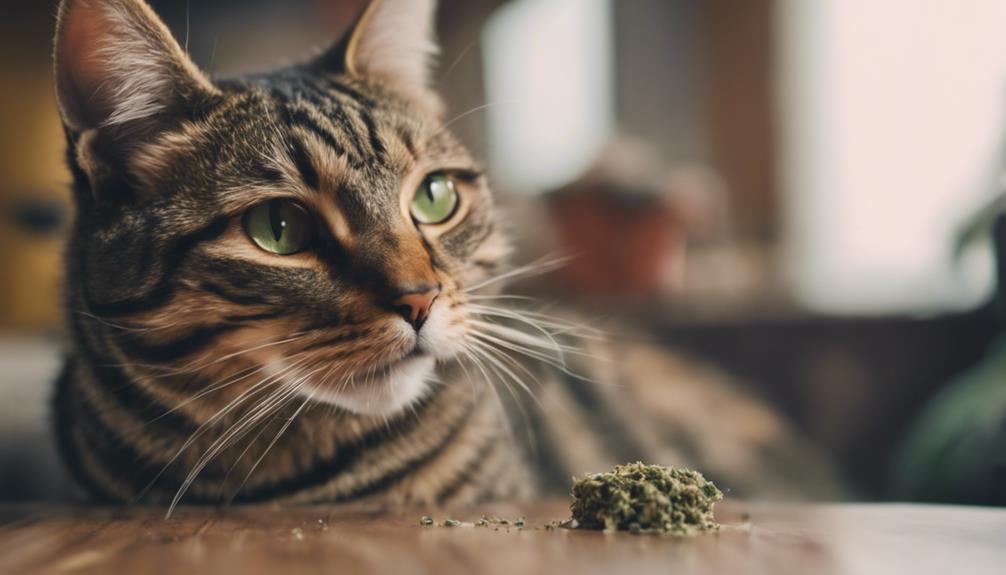
When considering the safety of catnip sticks for cats, it is important to note that these sticks are generally regarded as non-toxic and safe for feline use. Ingesting or chewing on catnip sticks can even help maintain dental health in cats.
To guarantee safety, supervised play sessions with catnip sticks are recommended. This precaution can prevent any potential risks associated with unsupervised play. Catnip sticks stimulate playful behavior in cats, encouraging them to be more active and engaged.
Regular play with catnip sticks is not only safe for cats but also offers benefits for their physical and mental well-being. By incorporating these sticks into supervised playtime, cat owners can provide their feline companions with a safe and enjoyable way to stay active.
Potential Benefits for Feline Health
Catnip sticks offer potential benefits for feline health by promoting improved digestion and elevating mood through playful interaction. These sticks can also serve as a stress reduction tool for cats, aiding in their overall well-being.
Additionally, catnip sticks encourage exercise and play, contributing to the physical and mental health of our feline companions.
Improved Digestion and Mood
Enhancing feline health through improved digestion and mood can be facilitated by the use of catnip sticks, which offer various benefits for cats' overall well-being.
Chewing on these sticks promotes healthy chewing behavior, aiding in digestion and potentially preventing hairballs. This activity also helps reduce stress and anxiety in cats, leading to a more content and relaxed mood.
Catnip sticks can stimulate cats' appetite, encouraging better eating habits, and provide mental stimulation, offering a positive outlet for their emotions. By incorporating catnip sticks into a cat's routine, owners can support their pet's digestive health and emotional well-being, contributing to a happier and healthier feline companion.
Stress Reduction Tool
Incorporating stress reduction tools, such as silvervine sticks, can greatly benefit the overall health and well-being of felines by promoting relaxation and calmness. These natural sticks offer a safe way to help cats alleviate stress, making them particularly useful during vet visits or car rides. Engaging in supervised sessions with silvervine sticks can aid cats in coping with emotional disorders like separation anxiety, leading to improved dental hygiene as they can relax and unwind. The calming effect of silvervine sticks can assist cats in feeling more at ease in various situations while reducing stress levels. Providing cats with these stress reduction tools can contribute to their overall mood and behavior positively.
| Benefits of Silvervine Sticks |
|---|
| Promotes relaxation |
| Aids in coping with emotional disorders |
| Helps improve dental hygiene |
| Reduces stress levels |
Encourages Exercise and Play
Encouraging physical activity and play in felines can have significant benefits for their overall health and well-being. Playing with catnip sticks not only promotes exercise but also offers various advantages for cats:
- Promotes exercise: Catnip sticks can encourage inactive cats to move more, aiding in physical activity.
- Maintains healthy weight: Regular play with catnip sticks can help prevent obesity-related issues in cats.
- Encourages playful behavior: The stimulation from catnip sticks can lead to playful activities, keeping cats mentally engaged.
- Dental health: Chewing on catnip sticks can naturally floss a cat's teeth, contributing to good dental hygiene.
- Enhances well-being: Playing with catnip sticks can benefit both the physical and mental health of cats, leading to a happier and healthier feline companion.
Risks Associated With Catnip Sticks
Catnip sticks can present risks to cats, including potential allergic reactions and the dangers of overconsumption.
These risks highlight the importance of monitoring a cat's interaction with catnip sticks to prevent any adverse effects on their health.
Being aware of these risks can help cat owners take necessary precautions to keep their feline companions safe during playtime.
Potential Allergic Reactions
Rarely do cats experience allergic reactions to catnip sticks, but when they do, it's important to recognize the potential symptoms and promptly seek veterinary advice. Cats may exhibit hypersensitivity to catnip sticks due to their unique response to nepetalactone, a compound found in catnip. Symptoms of allergic reactions can manifest as excessive drooling, vomiting, or diarrhea. If you suspect your cat is having an allergic reaction to catnip sticks, consulting a veterinarian is essential for proper evaluation and treatment. Observing your cat closely when introducing catnip sticks is vital to monitor for any adverse effects.
- Excessive drooling can be distressing for both you and your cat.
- Vomiting may indicate a negative reaction to catnip sticks.
- Diarrhea can be a sign of gastrointestinal upset in your feline friend.
- Seeking veterinary advice promptly shows your dedication to your cat's well-being.
- Monitoring for adverse effects demonstrates responsible pet ownership.
Overconsumption Risks
When considering the safety of catnip sticks for cats, it is important to be aware of the potential risks associated with overconsumption, particularly in relation to digestive upset and splinter hazards. Overconsumption of catnip sticks can lead to digestive issues in cats, while excessive chewing may result in splinters that pose risks.
It is advisable to replace heavily chewed catnip sticks to prevent harm from splinters. Supervised play sessions with catnip sticks are recommended to guarantee the safety of cats. While generally safe, precautions should be taken to avoid overconsumption and splinter hazards.
Frequency of Catnip Stick Use
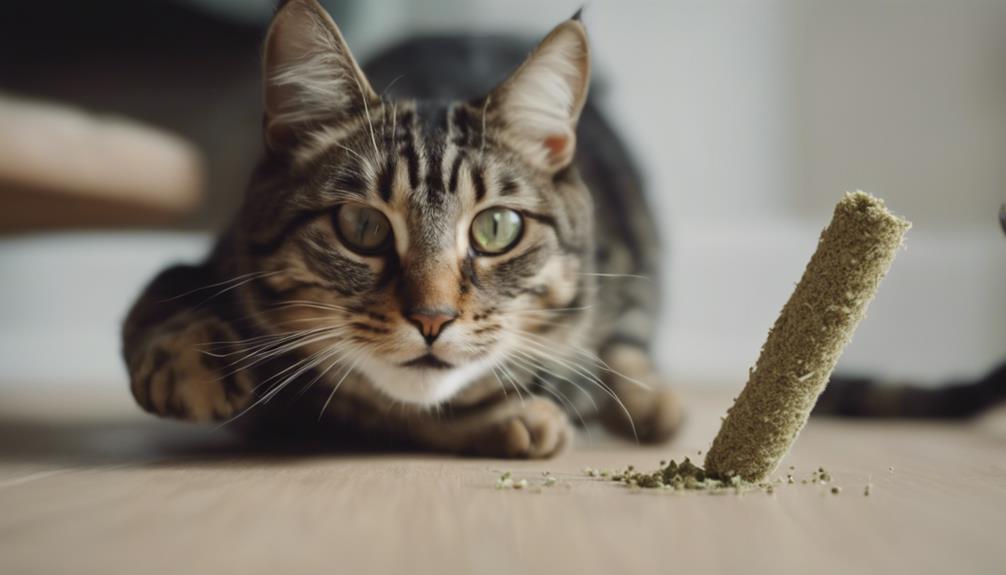
For best results in cat behavior, experts recommend incorporating catnip sticks into feline enrichment activities once or twice weekly. Here are some points to bear in mind regarding the frequency of catnip stick use:
- Using catnip sticks sparingly maintains their effectiveness.
- Moderation is key to preventing tolerance in cats.
- Regular but controlled exposure can enhance playtime and mental stimulation.
- Too frequent use may reduce the allure of catnip for some cats.
- Supervise your cat's interaction with catnip sticks, especially initially.
Suitable Age for Catnip Stick Introduction
The important age for introducing catnip sticks to kittens is typically after they reach 6 months of age. Kittens need to be older than 6 months to safely enjoy catnip sticks. It is advisable to wait until kittens are at least 6 months old before giving them catnip sticks.
Consulting a veterinarian before introducing catnip sticks to kittens is recommended to make sure it is suitable for their health. Supervision is essential when offering catnip sticks to kittens for the first time, as it allows you to observe their reaction and make sure they are safe.
Monitoring Cat Behavior Post-Consumption
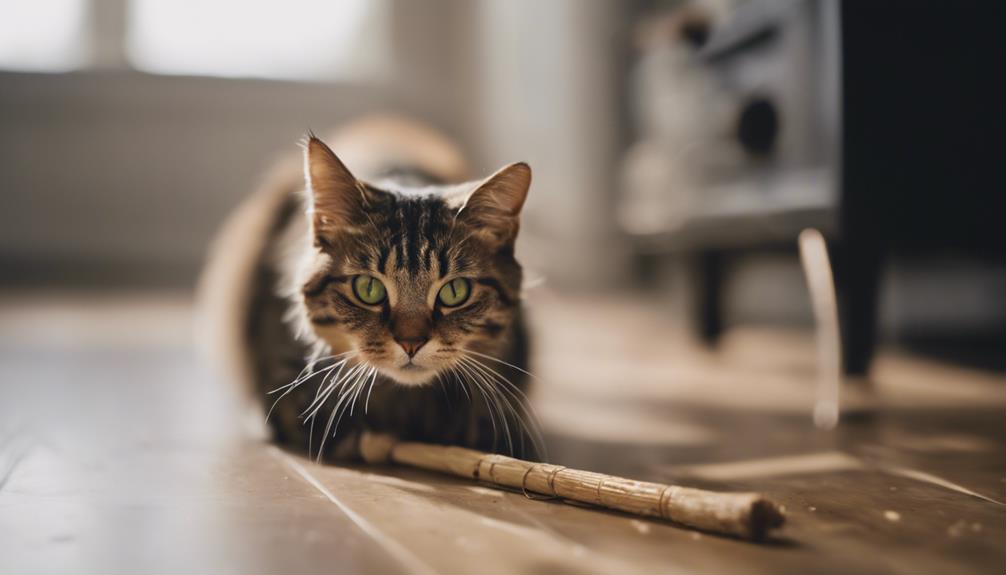
After your cat has consumed catnip sticks, it is important to observe their behavior closely for any unusual reactions or changes.
- Excessive Drooling: Excessive drooling could indicate a sensitivity or overdose of catnip, requiring immediate attention.
- Aggression: Unusual aggression post-consumption may signal discomfort or an adverse reaction to the catnip sticks.
- Hyperactivity: Extreme hyperactivity could suggest that your cat is overwhelmed by the effects of the catnip sticks.
- Mood Changes: Noticeable shifts in mood, like increased playfulness or unexpected relaxation, might indicate a response to the catnip sticks.
- Digestive Issues: Vomiting or diarrhea after interacting with catnip sticks may point to digestive disturbances that need monitoring and possible veterinary care.
Avoiding Catnip Stick Overdose
To prevent potential overconsumption and adverse effects, cat owners should be mindful of their feline companions' intake of catnip sticks. Moderation is vital in avoiding overdose situations with catnip sticks. Cats typically self-regulate their consumption, but excessive intake can result in digestive issues such as vomiting or diarrhea. Monitoring your cat's behavior and reactions when offering catnip sticks is essential to prevent overconsumption. Additionally, cats may lose interest in catnip sticks if exposed to them too frequently. Being observant and offering catnip sticks in controlled amounts can help maintain the enjoyment and safety of this treat for your feline friend.
| Key Points | Details |
|---|---|
| Overconsumption Risks | Digestive issues like vomiting or diarrhea can occur with excessive intake of catnip sticks. |
| Importance of Moderation | Moderation is key to preventing potential overdose situations with catnip sticks. |
| Monitoring Behavior | Observing your cat's behavior and reactions when offering catnip sticks can help prevent overconsumption. |
Can Catnip Sticks Cause Pain in Cats’ Whiskers?
Some cats can sense pain in their whiskers when exposed to catnip sticks. While it’s rare for this to occur, some cats may experience discomfort if the stick comes into contact with their sensitive whiskers. It’s important for pet owners to observe their cats’ reactions when using catnip sticks.
Proper Handling and Storage of Catnip Sticks

After understanding the risks associated with overconsumption of catnip sticks, ensuring proper handling and storage of these treats is paramount to maintaining their quality and safety for feline companions.
- Store catnip sticks in a cool, dry place away from moisture to maintain their potency.
- Keep catnip sticks out of reach of cats when not in use to prevent them from being chewed or ingested.
- Inspect catnip sticks regularly for any signs of damage or splintering that could pose a risk to cats.
- Avoid exposing catnip sticks to direct sunlight or high temperatures to preserve their quality.
- Properly seal the packaging of catnip sticks after each use to retain their aroma and effectiveness.