Are Cats Able To Feel Pain In Their Whiskers


Cats can feel pain in their whiskers as they have numerous nerve receptors in this specialized sensory area. The whiskers are not just for show; they help cats detect touch, movements, and changes in their environment. These structures play a vital role in enhancing a cat's balance, coordination, and ability to hunt effectively. Due to the high sensitivity of the nerve endings in whiskers, any pain or discomfort experienced in this area can affect a cat's well-being. Understanding how whiskers function and their importance can lead to better care for our feline companions.
Understanding Cat Whisker Sensitivity
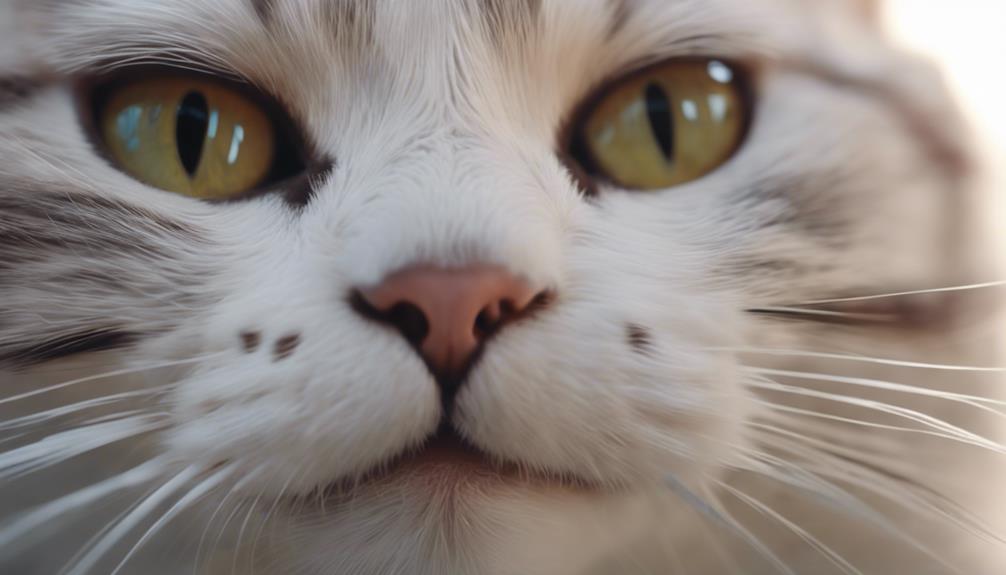
Cat whiskers, being densely packed with nerve receptors, play an essential role in a cat's sensory perception and interaction with its environment. These sensitive structures aid in detecting even the slightest touch and minute movements, providing important information about the surroundings.
Through their whiskers, cats communicate with their environment, enhancing their balance and coordination. The sensory input from whiskers helps cats navigate spaces, hunt effectively, and establish connections with other animals.
Nerve Endings in Cat Whiskers
Cat whiskers are extremely sensitive due to the abundance of nerve endings present within them.
These nerves play a vital role in transmitting sensory information to the cat's brain, aiding in the detection of changes in their environment.
The sensitivity of cat whiskers is essential for their navigation, exploration, and overall understanding of the world around them.
Whiskers and Sensitivity
Within the intricate anatomy of a cat's whiskers lies a network of highly sensitive nerve endings that play an essential role in their sensory perception. These nerve endings, rich in blood supply and receptors, allow cats to gather important information about their environment.
Cutting or trimming these whiskers can diminish the cat's ability to navigate and sense its surroundings, potentially causing discomfort. Additionally, whiskers aid in detecting changes in airflow, providing cats with environmental awareness and protection.
The sensitivity of these whiskers enables cats to perceive even subtle movements and changes in their surroundings, highlighting the significance of these specialized hairs in a cat's sensory experience. Maintaining the integrity of a cat's whiskers is crucial for ensuring their optimal sensory function and well-being.
Function of Nerves
Nerve endings located at the base of cat whiskers are intricately sensitive to touch and movement, playing a pivotal role in transmitting sensory information for environmental awareness and navigation. These nerve endings assist in detecting changes in airflow, providing cats with valuable information about their surroundings.
The precise sensory perception enabled by the nerve-rich base of cat whiskers allows for heightened sensitivity to their environment. Through their nerve function, cats can effectively sense and react to external stimuli, enhancing their ability to navigate, hunt, and interact with the world around them.
Factors Affecting Whisker Pain Perception
Factors affecting whisker pain perception in cats include:
- The sensitivity of whisker nerves
- The influence of environmental stimuli on sensory processing
- Variations in pain thresholds among individual cats
Whiskers serve as crucial sensory tools for cats, assisting in:
- Spatial awareness
- Object detection
- Protection
Understanding these factors can help in ensuring the well-being and comfort of our feline companions.
Whisker Nerve Sensitivity
Highly sensitive nerve endings at the base of a cat's whiskers contribute to their acute pain perception and tactile sensitivity. These nerve endings make whiskers essential for a cat's sensory perception, allowing them to navigate their environment effectively.
Factors affecting whisker pain perception include:
- Whiskers have rich nerve endings, making them highly sensitive to touch and movement.
- Cats can feel pain in their whiskers if they are pulled, plucked, or excessively touched.
- Any damage or discomfort to the whiskers can be distressing for the cat, affecting its well-being.
- Cutting or trimming whiskers can diminish the cat's ability to sense its surroundings, potentially leading to pain or discomfort.
Environmental Stimuli Influence
The intricate sensory role of a cat's whiskers is intricately intertwined with how environmental stimuli can indirectly impact their perception of discomfort.
While whiskers themselves lack pain receptors, the nerve endings at their base can sense pressure, pulling, or cutting, leading to an uncomfortable sensation for cats.
Although whiskers do not transmit pain signals, environmental factors can trigger responses that are interpreted as discomfort by the cat.
These factors play a significant role in how cats use their whiskers for navigation, communication, and protection.
Understanding how environmental stimuli influence the sensory perception of a cat's whiskers sheds light on the complex relationship between these specialized hairs and the cat's overall well-being.
Pain Threshold Variation
The variation in pain threshold related to the perception of whisker discomfort in cats exhibits a nuanced interplay of sensory responses and environmental influences.
- Cats' whiskers are essential for sensory perception and environmental awareness.
- Nerve endings at the base of whiskers enable cats to feel pain if they are plucked or pulled.
- Cutting a cat's whiskers can impair their ability to navigate, hunt, and communicate effectively.
- Maintaining proper whisker care contributes greatly to a cat's overall well-being and comfort.
Signs of Whisker Pain in Cats

Important indicators of whisker pain in cats encompass heightened sensitivity, aversion to tactile stimulation near the whiskers, and attempts to alleviate discomfort through pawing at the face. Cats with whisker pain may exhibit behaviors like head shaking, rubbing their face, or displaying signs of distress.
Since whiskers have a rich nerve supply, pain can be felt if they are plucked or pulled, leading to discomfort and reduced sensory input. Cutting whiskers can also cause distress. It is essential to handle cats gently around their whiskers to avoid causing pain or discomfort.
Recognizing these signs of whisker pain is vital for ensuring the well-being and comfort of feline companions.
Whisker Pain Management Tips
How can cat owners effectively manage whisker pain in felines experiencing discomfort or sensory disruptions? Proper pain management for cats dealing with whisker pain is vital. Here are some tips to help address this issue:
- Avoid unnecessary trimming: Cutting whiskers can disturb a cat's sensory perception and cause discomfort in moving around their environment.
- Consult a vet: If whiskers need to be trimmed for medical reasons, seek advice from a veterinarian to guarantee the cat's well-being.
- Provide a comfortable environment: Create a space that minimizes potential triggers for whisker pain, such as sharp edges or tight spaces.
- Monitor behavior changes: Keep an eye out for any signs of discomfort or changes in your cat's behavior that may indicate whisker pain.
Behavioral Changes Due to Whisker Pain
Due to the sensory sensitivity of their whiskers, cats may display noticeable changes in behavior when experiencing pain in this area. Whisker pain, stemming from the rich nerve supply at the base of each whisker, can lead to increased sensitivity, irritability, and discomfort in cats.
Signs of whisker pain may manifest as avoidance of touch on the whisker area, altered eating habits, disruptions in grooming behavior, and shifts in overall mood. Cats experiencing whisker pain may exhibit reluctance to interact or be handled around their whiskers.
To prevent exacerbating the pain, it is essential to handle cats gently in this region. Understanding these behavioral changes can help cat owners provide appropriate care and support for their feline companions when they are experiencing whisker pain.
Impact of Whisker Pain on Cats Well-being
Given the sensory sensitivity of cats' whiskers and the potential behavioral changes associated with whisker pain, understanding the impact of such discomfort on a cat's well-being is essential for providing appropriate care.
- Whisker pain can lead to sensory deprivation, affecting a cat's ability to navigate its environment effectively.
- Disorientation may occur when a cat experiences discomfort in its whiskers, impacting its overall quality of life.
- Sensory perception, vital for a cat's well-being, can be compromised by any pain-related issues in the whiskers.
- Veterinary supervision is necessary to address any whisker-related concerns and ensure the cat's well-being is maintained at an excellent level.
Preventing Whisker Pain in Cats

To ensure the well-being of cats, it is crucial to take proactive measures in preventing whisker pain. Cat whiskers, made of keratin, lack pain receptors, meaning cats do not feel pain when their whiskers are touched.
Cutting or trimming a cat's whiskers can reduce their sensory input, affecting their ability to navigate and perceive their environment. Whiskers are essential for a cat's sensory perception and should never be trimmed for cosmetic reasons.
Plucking or pulling on whiskers can cause pain and distress, impacting the cat's overall well-being. If whisker trimming is necessary for medical reasons, it should only be performed by a veterinarian with proper pain control and sedation to minimize discomfort for the cat.
Can Cats Experience Pain or Discomfort if They Come in Contact with Poisonous Plants?
Yes, Calla lilies can pose a serious threat to the safety of cats. If cats come in contact with these poisonous plants, they can experience pain and discomfort. It’s crucial for cat owners to be aware of the dangers of calla lilies and prioritize the safety of their pets.
Consulting a Vet for Whisker Pain Issues
Seeking advice from a veterinarian for whisker pain issues is crucial in guaranteeing the well-being and comfort of your feline companion. When consulting a vet regarding whisker pain problems, consider the following:
- Veterinarians can determine if the cat's whisker pain is due to infections or injuries requiring medical attention.
- They can provide guidance on managing and alleviating whisker pain to guarantee the cat's comfort.
- Signs of whisker pain should not be ignored, as they may indicate underlying health issues that need to be addressed promptly.
- Understanding that whiskers are composed of keratin and do not typically cause pain, vets can help pinpoint the source of any discomfort and provide appropriate care.