Are Cats Lactose Intolerant


Cats are lactose intolerant due to their limited production of the enzyme lactase. This deficiency leads to digestive issues when consuming dairy products like milk. Symptoms include vomiting, diarrhea, and stomach upset. To manage this condition, offering lactose-free or non-dairy alternatives is recommended. Consulting a vet can help in determining suitable dietary choices. Avoiding dairy products is important as they can cause gastrointestinal problems in cats. Water remains the best fluid choice for feline health. Understanding feline nutrition is vital to prevent digestive upsets. Further insights into this topic can provide valuable information on caring for lactose-intolerant cats.
Understanding Lactose Intolerance in Cats
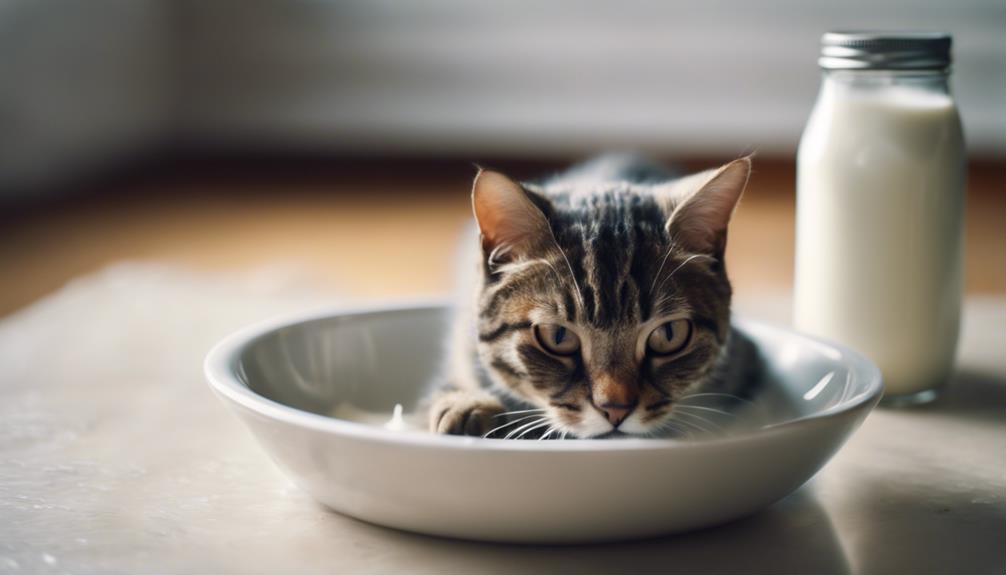
What causes lactose intolerance in most adult cats and how does it manifest in their gastrointestinal system?
Lactose intolerance in cats stems from a decreased production of lactase, the enzyme responsible for breaking down lactose in milk. When lactose intolerant cats consume milk or dairy products, undigested lactose can ferment in their gut, leading to gastrointestinal upset. Symptoms may include vomiting, diarrhea, and overall discomfort in their digestive system.
This common issue often arises after weaning when a cat's lactase production naturally decreases. Due to their inability to efficiently digest lactose, cats may experience stomach troubles and digestive issues when exposed to milk. Understanding these dynamics can help cat owners make informed decisions about their feline companions' diet and well-being.
Impact of Milk on Cats Digestion
The digestive challenges faced by lactose intolerant cats when consuming milk underscore the significant impact of lactose on their gastrointestinal well-being. Cats lacking the enzyme lactase struggle to digest lactose in milk, leading to various issues such as diarrhea, vomiting, and stomach discomfort.
When undigested lactose ferments in a cat's gut, it can exacerbate digestive problems, causing further discomfort. Cats may develop lactose intolerance after weaning due to reduced lactase production, highlighting this noteworthy occurrence.
This common issue can be effectively managed by avoiding milk and providing suitable lactose-free alternatives for a happy and healthy feline companion.
Symptoms of Lactose Intolerance in Cats
Common manifestations of lactose intolerance in felines encompass a range of gastrointestinal distress signals. Cats with lactose intolerance may experience symptoms such as upset stomach, vomiting, and diarrhea after consuming dairy products like milk.
The inability to digest lactose leads to the fermentation of undigested lactose in the gut, causing discomfort and digestive issues. Bloating, gas, and abdominal pain are also common signs exhibited by cats suffering from lactose intolerance.
Diarrhea, a prevalent symptom in lactose intolerant cats, occurs due to the inability to break down lactose effectively. Recognizing these symptoms can help cat owners identify lactose intolerance in their pets and make necessary dietary adjustments to safeguard their feline friends' well-being.
Managing Cats Dairy Consumption
Cats' dairy consumption should be managed carefully due to their lactose intolerance, which can cause digestive issues.
Offering lactose-free milk or non-dairy alternatives like almond, soy, or coconut milk can help prevent symptoms of intolerance.
Monitoring for adverse reactions and consulting a vet for guidance are essential steps in ensuring a cat's diet is suitable and safe.
Dairy Risks for Cats
When considering the dietary needs of felines, what precautions should be taken regarding dairy consumption?
- Understand Lactose Intolerance: Cats are lactose intolerant due to decreased lactase production.
- Avoid Dairy Products: Ingesting dairy can lead to gastrointestinal upset and diarrhea.
- Risk of Digestive Issues: Most adult cats lose the ability to digest lactose, causing stomach troubles.
- Consider Alternatives: Opt for lactose-free milk and manage dairy consumption to prevent health issues.
Non-Dairy Alternatives
Considering the potential risks associated with dairy consumption for cats, exploring non-dairy alternatives becomes important to guarantee their dietary needs are met without causing digestive issues.
In adult cats, being less lactase means less ability to digest lactose, making them lactose-intolerant. While some cats may handle yogurt, cheese, butter, or ice cream better than milk due to varying lactose levels, offering soy or lactose-free milk can be a treat for lactose-intolerant cats.
Cultured dairy products like cheeses and yogurts may be easier for them to digest, but the lactose content in different dairy products varies, affecting their tolerance levels. Understanding these alternatives can prevent your lactose-intolerant cat from experiencing an upset tummy.
Symptoms of Intolerance
Symptoms of lactose intolerance in felines typically manifest as gastrointestinal distress, including upset stomach, vomiting, and diarrhea. Managing a cat's dairy consumption is important to prevent these issues. Here are four key points to keep in mind:
- Upset Stomach: Cats may experience discomfort, bloating, or cramps after consuming dairy products.
- Vomiting: Cats may regurgitate food shortly after consuming dairy due to lactose intolerance.
- Diarrhea: Loose, watery stools are common in lactose-intolerant cats after consuming dairy.
- Dehydration: Excessive diarrhea can lead to dehydration, a serious concern that requires veterinary attention.
Understanding these symptoms can help cat owners make informed decisions about their feline friends' diets.
Importance of Lactose-Free Alternatives
Utilizing lactose-free alternatives such as almond, soy, or coconut milk is important in maintaining the digestive health of cats. While these options may contain small amounts of lactose, they are generally better tolerated by cats than regular dairy milk.
It is vital to make sure that the alternative milk chosen does not contain harmful additives like xylitol, which can be toxic to cats. Consulting with a vet before introducing new liquids into a cat's diet is recommended to ensure it aligns with their specific health needs.
Additionally, monitoring the cat's reaction to lactose-free alternatives is key in identifying any potential adverse effects and adjusting their diet accordingly for their overall well-being.
Consulting a Veterinarian for Guidance
When managing a cat's lactose intolerance, seeking guidance from a veterinarian is crucial.
Vets can offer expert advice on suitable dietary options and recommend lactose-free products.
Consulting a veterinarian guarantees proper care and management of lactose intolerance symptoms in cats.
Vets Expert Advice
Seeking guidance from a veterinarian is essential for effectively managing lactose intolerance in cats. When dealing with lactose intolerance in cats, veterinary advice can make a significant difference. Here are four key reasons why consulting a vet is important:
- Personalized Dietary Recommendations: Vets can provide tailored dietary suggestions to meet the specific needs of a lactose-intolerant cat.
- Safe Dairy Alternatives: Veterinary professionals can recommend safe dairy alternatives to guarantee proper nutrition without causing digestive issues.
- Regular Monitoring: Regular check-ups with a veterinarian are essential for monitoring a cat's lactose intolerance and making necessary adjustments to their care.
- Symptom Management: Vets can advise on managing symptoms if a cat shows signs of lactose intolerance, ensuring their well-being and comfort.
Professional Guidance Needed
Consulting a veterinarian is essential for ensuring effective management of lactose intolerance in cats. Veterinarians possess the expertise needed to understand a cat's specific dietary requirements, particularly when it comes to addressing lactose intolerance in feline companions. Seeking professional guidance is vital for selecting appropriate dietary options that cater to the unique needs of lactose-intolerant cats.
Vets can offer valuable advice on safe treats or alternatives that are suitable for cats with lactose intolerance, ensuring their nutritional needs are met without causing any digestive issues. Regular communication with a veterinarian allows for ongoing monitoring and adjustments to the cat's diet, leading to the best possible care for felines dealing with lactose intolerance.
Risks of Dairy Products for Cats
In considering the risks associated with dairy products for cats, it is essential to recognize the potential gastrointestinal implications of lactose intolerance in feline companions. Cats that are lactose intolerant may experience digestive issues such as vomiting, diarrhea, and discomfort when consuming dairy products.
Here are four key points to understand the risks:
- Dairy products can lead to gastrointestinal upset in lactose intolerant cats.
- Undigested lactose in dairy products can cause fermentation in a cat's gut, resulting in digestive problems.
- Cats may become lactose intolerant after weaning, making it challenging to digest lactose in dairy.
- Milk and other dairy products can trigger symptoms of lactose intolerance, impacting a cat's overall well-being.
Best Fluid Choices for Feline Health
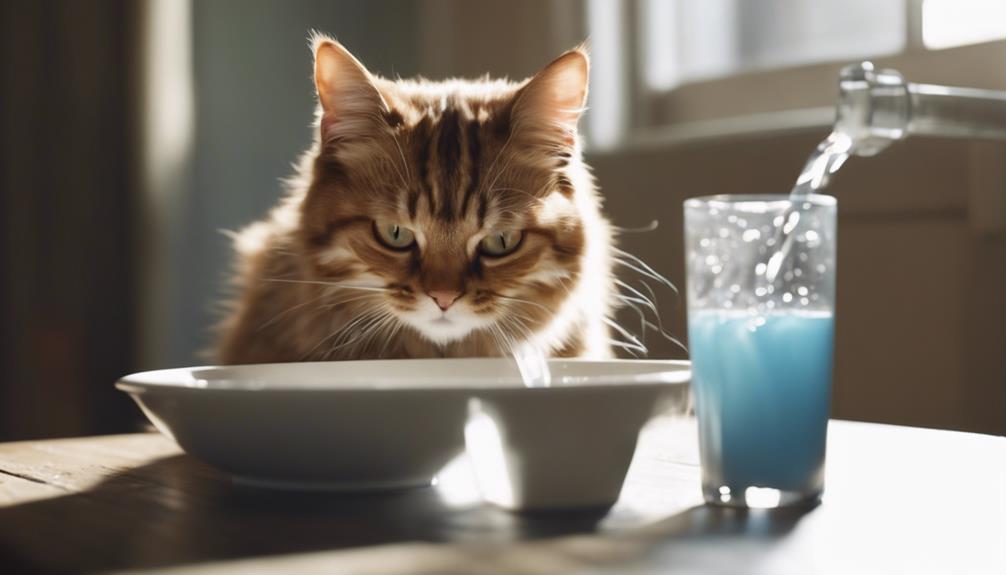
Considering the potential risks associated with dairy products for cats, the choice of fluids plays a vital role in maintaining feline health and well-being. Water stands out as the ideal fluid choice for cats, ensuring hydration and supporting bodily functions.
It is essential to provide multiple water sources to encourage sufficient water intake throughout the day since cats may not drink enough on their own. Avoiding fluids like milk that can lead to digestive issues such as lactose intolerance is critical. Monitoring a cat's hydration levels and offering fresh water daily are key practices in promoting excellent feline health.
Can Lactose Intolerance Affect Cats’ Ability to Enjoy Cat Cafes?
Lactose intolerance can affect felines’ ability to enjoy cat cafes. Cats may have digestive issues after consuming dairy products in cat cafes, impacting their overall experience. It’s important for cat cafes to offer lactose-free options to accommodate lactose-intolerant felines and ensure they can still enjoy the cafe experience.
Promoting Responsible Feline Nutrition
Highlighting the significance of dietary choices plays a vital role in promoting responsible feline nutrition. When it comes to lactose intolerant cats, avoiding dairy products is essential to prevent digestive issues. Here are four essential points to keep in mind:
- Lactose Intolerance: Cats are lactose intolerant due to a decrease in lactase production as they age.
- Symptoms: Gastrointestinal upset such as vomiting and diarrhea can occur in lactose intolerant cats.
- Digestive Discomfort: Undigested lactose can draw water into the intestinal tract, leading to discomfort.
- Prevention: Responsible feline nutrition involves avoiding dairy products like milk to avert digestive problems in lactose intolerant cats.