Are Cats Omnivores


Cats are obligate carnivores, meaning they rely on animal-based proteins for their nutritional requirements. Their digestive systems are not designed to efficiently process plant-based foods. Nutrients such as taurine are essential for their heart and eye health, primarily found in animal-derived proteins. While fiber-rich vegetables can aid digestion, they cannot replace the necessity of animal proteins in a cat's diet. Ensuring a balanced diet rich in animal proteins is essential for meeting cats' unique nutritional needs. Understanding these dietary requirements is key to promoting excellent health and longevity for our feline companions.
Definition of Omnivore Vs. Carnivore
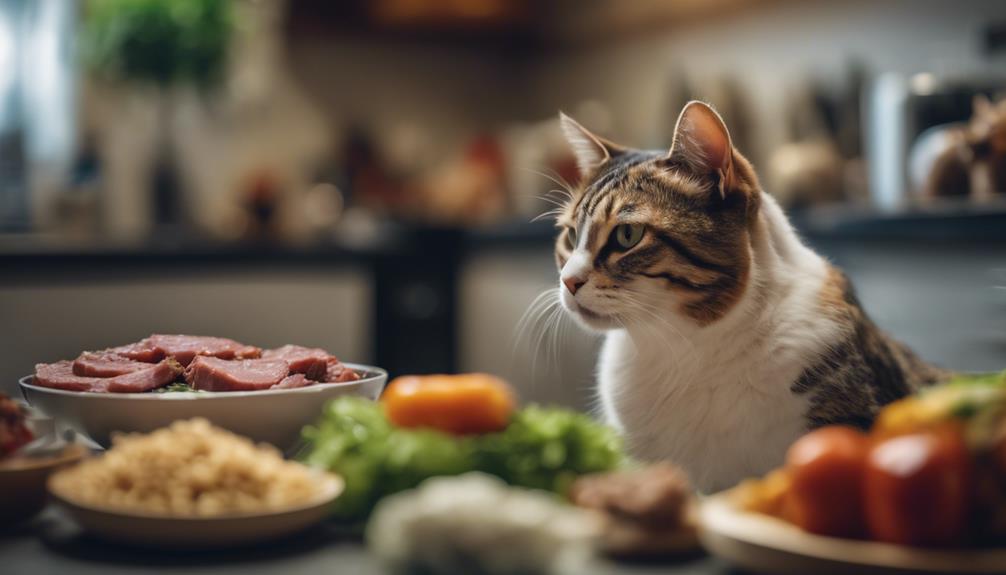
In understanding the distinction between omnivores and carnivores, it is essential to recognize their dietary preferences and capabilities for obtaining nutrients from both plant and animal sources.
Cats, as obligate carnivores, solely rely on animal-based proteins for their nutritional needs, lacking the digestive enzymes necessary to break down plant-based foods efficiently.
On the contrary, omnivores like humans and some birds have a more flexible diet that includes both plant and animal matter. This varied dietary intake allows omnivores to derive a diverse nutrient profile from their food sources, adapting their consumption based on availability.
While omnivores can thrive on a combination of plant-based and animal-based foods, obligate carnivores like cats have specific dietary requirements that cater to their carnivorous nature.
Cats Natural Diet Requirements
Cats' natural diet requirements are centered around their obligate carnivore status, necessitating a diet rich in animal-based proteins for best health. Cats must consume meat to obtain essential nutrients like taurine, important for heart and eye health. These dietary requirements highlight the significance of providing cats with a protein-rich diet sourced from animal tissue. Cats lack the necessary enzymes to efficiently process plant protein, emphasizing the requirement for animal-derived proteins in their diet. While small amounts of fiber-rich vegetables can aid in digestion, they cannot replace the essential animal proteins that cats require for excellent health.
| Nutrient | Importance |
|---|---|
| Taurine | Important for heart and eye health |
| Vitamin A | Essential for vision and immune function |
| Thiamine | Important for carbohydrate metabolism |
| Animal Protein | Source of essential amino acids |
Nutrient Sources for Cats

Cats, as obligate carnivores, rely on animal protein sources to meet their essential nutrient requirements, such as taurine, arachidonic acid, and vitamin A. These nutrients are essential for their overall health and well-being, with animal tissues being the primary natural sources for these important components.
Ensuring a diet rich in meat, fish, and eggs is fundamental in providing cats with the necessary amino acids and vitamins they need to thrive.
Protein for Cats
When considering the nutritional needs of felines, the primary factor that stands out prominently above all others is the requirement for high-quality animal protein sources. Cats need meat, fish, and eggs to meet their protein needs and essential nutrients.
Animal-based proteins are crucial for cats as they provide taurine, a key amino acid essential for heart and eye health. Unlike plant-based diets, meat-based diets are more efficient for cats due to their carnivorous nature and unique metabolism.
Taurine, along with other essential nutrients like vitamin A and thiamine, are mainly found in animal tissue, emphasizing the importance of incorporating animal proteins into a cat's diet. While including some fiber-rich vegetables can aid digestion, they cannot replace the necessity of animal-based proteins in cat food.
Essential Amino Acids
Considering the distinctive dietary requirements of felines, sourcing essential amino acids like taurine becomes essential for maintaining their peak health and vitality. Taurine, an essential amino acid for cats, is primarily found in animal-based proteins such as meat, fish, and eggs.
Cats lack the enzymes necessary to efficiently convert plant-based sources into essential amino acids like taurine. In plant-based diets for cats, synthetic taurine is often added to meet their dietary requirements. A well-balanced mix of plant ingredients, combined with synthetic nutrients, can potentially fulfill cats' amino acid needs in vegan diets.
Ensuring cats receive essential amino acids like taurine is crucial for their overall health and well-being, especially in plant-based diets where animal-based proteins are limited.
Considerations for Vegan Cat Food
In the domain of feline nutrition, careful consideration must be given to the formulation of vegan cat food to guarantee it meets cats' essential dietary requirements.
Vegan cat food needs to be meticulously crafted with synthetic nutrients like taurine to compensate for the lack of essential amino acids found in animal proteins, which are important for cats.
Since omega-3 fatty acids like DHA, primarily sourced from fish, may be insufficient in plant-based diets, supplementation is often necessary.
Balancing plant ingredients with synthetic nutrients is crucial to fulfill cats' amino acid needs adequately.
Prioritizing balanced nutrition, consulting with a vet, and conducting thorough research are essential steps when contemplating vegan cat food to ensure it provides cats with the necessary nutrients for their well-being.
Feeding Cats Meat Vs. Plant-Based Diets

Providing cats with meat as opposed to plant-based diets is crucial for meeting their nutritional needs as obligate carnivores. Cats require nutrients like taurine, arachidonic acid, and vitamin B12, which are found in animal products but are lacking in plant-based foods.
Their bodies are designed to efficiently utilize animal-based proteins over plant proteins, making meat an essential part of their diet. Neglecting to provide cats with meat can lead to serious health issues such as liver problems, heart problems, skin irritation, and hearing loss due to the absence of necessary nutrients.
To guarantee that cats receive the essential amino acids and nutrients they need, a balanced diet should prioritize animal products to support their overall well-being and health.
Do Intelligence Levels Impact a Cat’s Diet and Eating Habits?
When it comes to a British Shorthair cat’s intelligence, it may not have a direct impact on their diet and eating habits. However, a more intelligent cat may be more curious about trying new foods or may require more mental stimulation during feeding time.
Optimal Nutrition for Feline Health
Feline health is intricately linked to their dietary requirements, emphasizing the importance of balanced diets for peak nutrition. Cats, as obligate carnivores, necessitate nutrients like taurine, arachidonic acid, and vitamin A sourced from animal proteins for their well-being.
Understanding these nutritional needs is fundamental in ensuring the overall health and longevity of our feline companions.
Dietary Requirements for Cats
Prioritizing animal-based proteins in their diet is essential to meeting the essential nutritional needs of cats as obligate carnivores. Cats have unique nutritional requirements that differ from omnivorous animals. Essential nutrients like taurine, vitamin A, and arachidonic acid are critical for their health and are primarily found in animal tissue, not plant sources.
Taurine, for instance, plays a significant role in heart and eye health and is mainly sourced from meat, fish, and eggs. Cats cannot efficiently utilize plant protein due to lacking specific enzymes, making a meat-based diet important for their well-being. As pet owners, it is important to provide a balanced diet that prioritizes animal-based proteins to ensure cats receive the necessary amino acids and nutrients for their health.
Importance of Balanced Diets
Ensuring cats receive a well-rounded diet is essential for supporting their best health and longevity. A balanced diet plays an important role in providing excellent nutrition for cats. This includes high-quality animal proteins, essential fatty acids, vitamins, and minerals sourced from pet foods.
Nutrients such as omega-3 and omega-6 fatty acids are crucial for cats' overall well-being. Hydration is also key, with wet pet foods aiding in maintaining adequate water intake. As cats age, their dietary needs may change, requiring adjustments to meet the requirements of a senior pet.
Consulting a veterinarian for personalized dietary recommendations is beneficial to guarantee that your cat receives a neat diet tailored to their specific needs, promoting a healthy and happy life.