Are Cats Social Animals


Cats are social animals, with behavior shaped by socialization, early experiences, and genetics. Positive upbringing fosters friendliness, preventing fearfulness in adulthood. Social bonds are vital for their well-being, formed through grooming, playing, and sleeping together. Kittens benefit from early handling, leading to friendlier personalities. They exhibit various play behaviors based on age and interactions, with weaning marking a shift in dynamics. Cats communicate through signals like purring and can be sociable with socialized humans. Understanding these social aspects is key to fostering healthy relationships. As cats rely on social interactions for mental stimulation, social bonds are essential for their quality of life.
Social Behavior of Domestic Cats
Domestic cats exhibit a range of social behaviors influenced by their upbringing and environment. Socialization plays an important role in shaping a cat's behavior towards other cats and humans.
Kittens raised in active environments tend to be more friendly towards strangers in adulthood. It is essential to socialize kittens with various people, cats, and even dogs to guarantee their proper social development. Positive early experiences can help prevent fearfulness in adult cats towards unfamiliar individuals.
Understanding the impact of socialization on cats' social behavior is key to fostering healthy relationships between cats and their human companions. By providing a nurturing and diverse social environment, cat owners can contribute significantly to their pets' social well-being.
Group Dynamics in Feline Societies
Exploring the structure and interactions within feline societies sheds light on the intricate dynamics that govern group behavior among cats.
Feline groups in the wild typically consist of queens and their litters, often spanning multiple generations of related females. Male kittens tend to leave the group as they mature, while the group size is influenced by the availability of food resources.
Within these groups, kittens learn essential hunting skills and preferences from their mother, contributing to a significant shift within feline social group dynamics. Weaning, which usually occurs between 5 to 8 weeks of age, marks an important transformation within feline social group dynamics, impacting their development and behaviors.
Socialization of Kittens
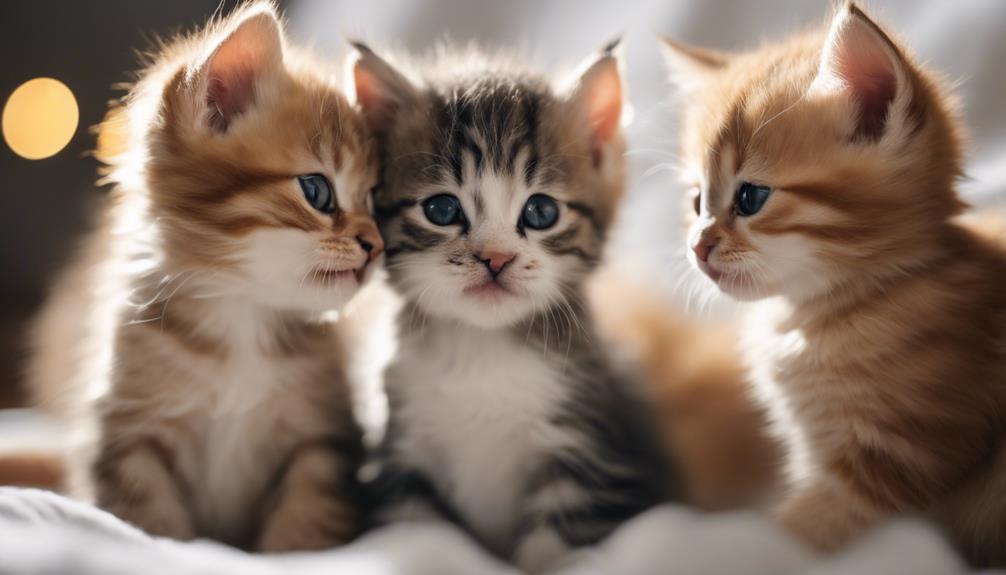
Studying the socialization of kittens provides valuable insights into their development and behavior as they progress from early stages of life. Handling kittens between 2 to 7 weeks of age can make them friendlier towards people, emphasizing the critical role of early interactions in shaping their social behavior.
Kittens shift from social play to predatory play around 12 to 14 weeks of age, demonstrating a change in their play behavior influenced by their developmental stage. Early weaning can hasten this shift, affecting how kittens engage in different types of play.
Additionally, factors like unfriendliness and timidity can have hereditary components in kittens, with traits being passed down from their parents. Understanding the socialization process of kittens can help create positive interactions and relationships with these young felines.
Interactions Between Cats and Humans
Interacting with humans, cats communicate through various signals like purring and meowing, establishing connections based on familiarity and positive experiences.
- Cats exhibit friendlier behavior towards socialized humans.
- Relationships between cats and humans are influenced by familiarity and positive interactions.
- Cats may appear aloof but can still be sociable towards humans.
- Exposure to different stimuli and interactions with humans can help reduce anxiety in cats.
Factors Influencing Cat Sociability

Factors influencing cat sociability encompass a range of elements, including age, gender, and social dynamics within a group. Cats establish relationships based on factors like age, sex, and their position within the social hierarchy.
Socialization experiences and genetic predispositions also play vital roles in shaping a cat's sociability towards humans and other animals.
Cat Socialization Importance
Early socialization in kittenhood greatly influences a cat's long-term personality and sociability, impacting their interactions with humans and other animals throughout their lives.
Factors influencing cat sociability include:
- Kittens raised in enriched environments with varied stimuli tend to be more accepting of strangers and new experiences as adults.
- Socializing kittens with different people, cats, and dogs is essential for developing positive social behaviors.
- Positive early experiences help prevent fearfulness and anxiety in adult cats, enhancing their sociability.
- Gradual exposure and positive reinforcement play key roles in socializing adult cats with strangers, requiring patience and time.
Human Interaction Impact
The influence of human interaction on a cat's sociability in adulthood is a critical aspect of understanding feline behavior and relationship development. Early life experiences, such as positive interactions with people, have a substantial impact on a cat's social behaviors later in life. Exposure to various stimuli during kittenhood, including humans, shapes how comfortable and sociable a cat becomes with people.
Genetics and individual characteristics also play a role in determining a cat's sociability towards humans. Creating a nurturing environment with socialization opportunities, both with humans and other pets, can enhance a cat's comfort level and interactions with people. Ultimately, cats can form strong relationships with humans based on familiarity, positive experiences, and the quality of human interactions during their formative stages.
Feline Bonding Behaviors
In understanding feline bonding behaviors and cat sociability, it is imperative to recognize the nuanced influence of age, gender, and relatedness on the formation of long-term relationships among cats. Factors influencing cat sociability include:
- Social Play: Cats engage in social play as a means of bonding and communication within their social groups.
- Related Females: Female cats that are related tend to form stronger bonds and are more likely to engage in cooperative behaviors.
- Social Groups: Cats often form social groups based on mutual grooming, sleeping close together, and sharing territories.
- Communication Signals: Cats use subtle signals such as body language, vocalizations, and scent marking to communicate and maintain social relationships.
Comparing Cat and Dog Social Behaviors

Cats and dogs exhibit contrasting social behaviors, with cats often displaying more solitary tendencies compared to the pack-oriented nature of dogs.
While dogs thrive in group settings and adhere to hierarchical structures, cats prefer individual territories and show less cooperative behavior.
Understanding these differences in interaction styles, socialization preferences, and communication methods can greatly enhance the way we care for and engage with these distinct animal species.
Cat Vs Dog Interaction
When comparing the social behaviors of cats and dogs, it becomes evident that their interactions with humans and other animals differ greatly.
- Dogs are pack animals, often seeking social interaction with humans and other dogs, while cats may prefer solitude or limited socialization.
- Cats and dogs communicate differently; dogs use vocalizations and body language more overtly, while cats rely on subtle cues and behaviors.
- Dogs engage in social play and group activities, fostering their social bonds, whereas cats may lean towards solitary play and individual hunting.
- Understanding these differences in social behaviors can help pet owners provide appropriate socialization and enrichment for their pets.
Socialization Preferences
When examining the socialization preferences of cats and dogs, it becomes apparent that their inherent behaviors towards social interactions diverge greatly.
Cats have a shorter socialization period than dogs, emphasizing the importance of early exposure to various stimuli to prevent fear. Kittens handled by humans between 2 to 7 weeks of age tend to be friendlier towards people as adults, showcasing the impact of early socialization. Social play in kittens starts at 4 weeks, peaks at 6-9 weeks, and evolves to predatory play by 12-14 weeks, shaping their play behaviors.
Cats exhibit different play behaviors based on age and social interactions, with object play often simulating the predatory sequence. Understanding these socialization preferences is crucial for effectively training cats, as positive reinforcement outweighs punishment-based methods.
Communication Styles
In the domain of animal behavior, the communication styles between cats and dogs diverge greatly, showcasing distinct methods of conveying intentions and emotions.
- Cats communicate using a variety of vocalizations, body language, and scent cues, while dogs are more likely to use vocalizations and body language.
- Cats use scent marking to establish territory and convey social information, whereas dogs rely more on physical gestures and facial expressions.
Understanding these communication styles, such as scent marking and body language, can help improve interactions and relationships with both cats and dogs.
Do Cats’ Loyalty Affect their Social Behavior?
In this “are cats loyal article,” we explore how cats’ loyalty impacts their social behavior. While cats are known for their independent nature, their loyalty to their owners can affect how they interact with other animals and humans. Understanding this loyalty can provide insights into their social dynamics.
The Importance of Social Bonds in Cats
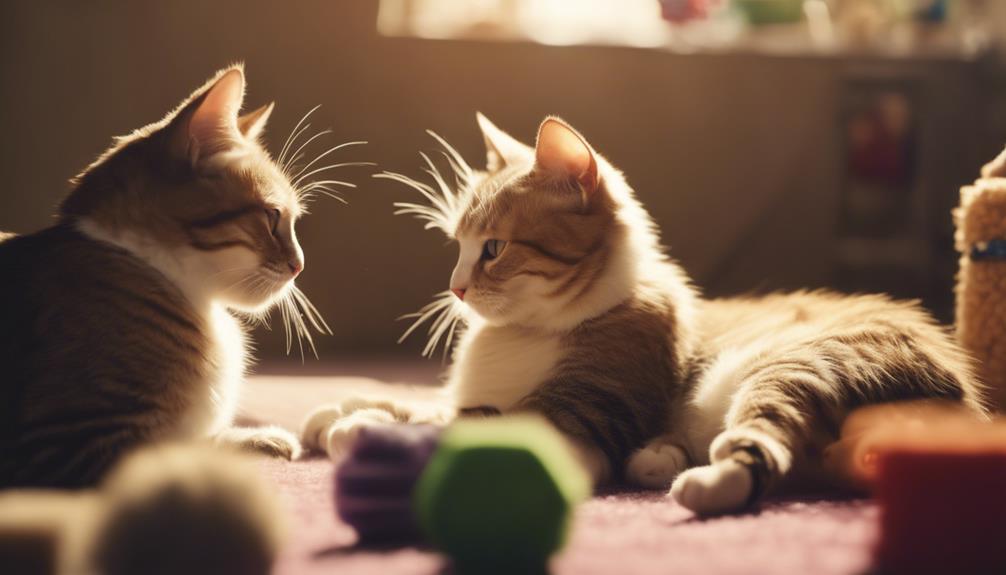
Social bonds play an essential role in the well-being and behavior of cats, influencing their overall quality of life. Cats form these bonds through activities like grooming, playing, and sleeping together, which help reduce stress and anxiety.
Strong social bonds between cats can also prevent behavioral issues such as aggression or excessive marking. Similar to human relationships, socially bonded cats display signs of affection and support towards each other. These social interactions not only foster companionship but also provide mental stimulation to the cats, enhancing their quality of life.
Understanding the importance of social bonds in cats can help cat owners create environments that support these relationships, leading to happier and healthier feline companions.