Are Corn Plants Toxic To Cats


Corn plants are toxic to cats as they contain toxic steroidal saponins throughout the plant. Ingestion can lead to symptoms like vomiting, drooling, abdominal pain, dilated pupils, increased heart rate, and weakness. Immediate veterinary care is essential upon observing these signs. Treatment involves removing plant material, hydration, and monitoring recovery. Loss of appetite, excessive drooling, abdominal pain, vomiting (possibly with blood), and signs of depression are common. Promptly removing ingested plants, seeking immediate vet attention, and monitoring severe symptoms are important. Cats can recover quickly with appropriate care. Consider learning about safe alternatives to keep your cat healthy.
Toxicity of Corn Plants to Cats
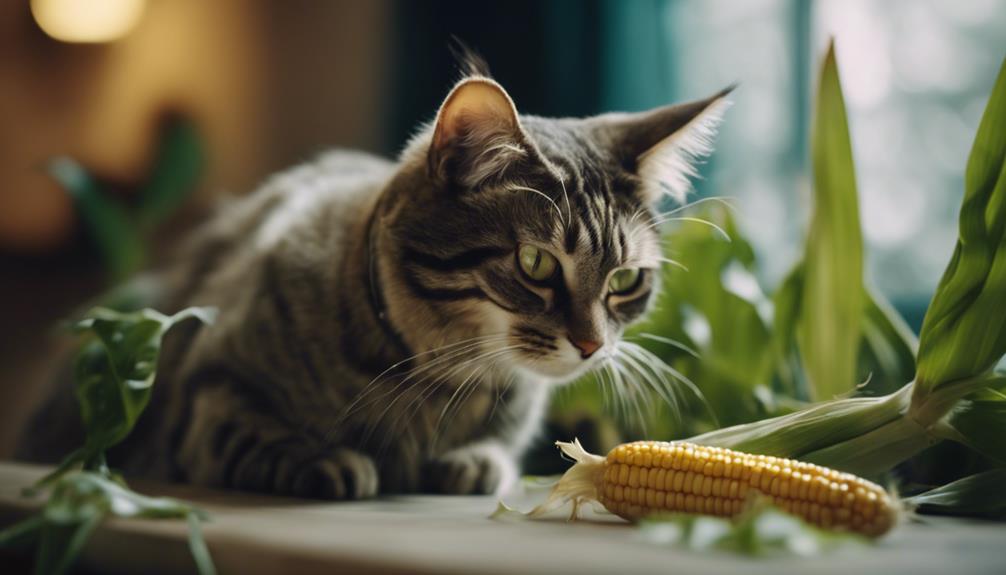
Due to the presence of toxic steroidal saponins in all parts of the plant, corn plants pose a significant toxicity risk to cats. Ingesting any part of the corn plant can lead to poisoning in cats, causing symptoms such as vomiting, drooling, and abdominal pain.
Additional signs of corn plant poisoning may include dilated pupils, increased heart rate, and physical weakness in affected felines. Immediate veterinary care is essential if a cat exhibits any symptoms of corn plant poisoning to prevent further complications.
Veterinary treatment for corn plant poisoning in cats typically involves supportive care, including removing any remaining plant material, providing fluids for hydration, and closely monitoring the cat's condition for signs of recovery.
Symptoms of Corn Plant Poisoning
The symptoms indicative of corn plant poisoning in cats encompass a range of distressing manifestations, including loss of appetite, excessive drooling, abdominal pain, vomiting (potentially with blood), and signs of depression. Cats may also display dilated pupils, increased heart rate, physical weakness, and hypersalivation when affected by corn plant toxicity. Immediate veterinary attention is vital upon observing these symptoms to prevent further complications. Treatment typically involves supportive care to alleviate the symptoms, including the removal of any remaining plant matter from the digestive system and providing intravenous fluids if necessary. While corn plant poisoning in cats is seldom fatal, it can cause significant discomfort and health issues, underscoring the importance of prompt intervention by a veterinarian.
| Symptoms | Manifestations |
|---|---|
| Loss of appetite | Excessive drooling |
| Dilated pupils | Increased heart rate |
| Abdominal pain | Depression |
| Vomiting | Physical weakness |
| Hypersalivation | Supportive care |
Treatment for Corn Plant Toxicity

In managing cases of corn plant toxicity in cats, the primary focus of treatment involves promptly removing any ingested plant material from the digestive system. If a cat shows signs of poisoning or has ingested corn plant parts, immediate veterinary attention is essential. Veterinarians may provide supportive care such as fluids to address dehydration and monitor the cat for any severe symptoms of toxicity.
While some cats may only require basic supportive measures, others might need more intensive treatment depending on the severity of the poisoning. With appropriate and timely treatment, most cats recover quickly from corn plant toxicity. Hence, it is essential for cat owners to seek veterinary help promptly if they suspect their cat has ingested any part of a corn plant.
Preventing Corn Plant Poisoning in Cats
To safeguard feline health and well-being, proactive measures should be taken to prevent corn plant poisoning in cats. Corn plants are toxic to cats as the plant contains saponins, which can lead to gastrointestinal upset, oral irritation, vomiting, appetite loss, kidney failure, and skin irritation if ingested.
Pet owners must be vigilant in keeping corn plants out of reach of their feline companions and monitor their behavior around plants to discourage nibbling. Understanding the signs of corn plant poisoning in cats is important for prompt action in case of ingestion.
Can Corn and Cast Iron Plants Both Be Harmful to Cats?
Yes, both corn and cast iron plants can be harmful to cats if ingested. Corn can cause upset stomach and digestion issues, while certain parts of cast iron plants are toxic to cats and can lead to vomiting, diarrhea, and even kidney failure. It’s best to keep these plants out of reach of your feline friends.
Safe Alternatives to Corn Plants
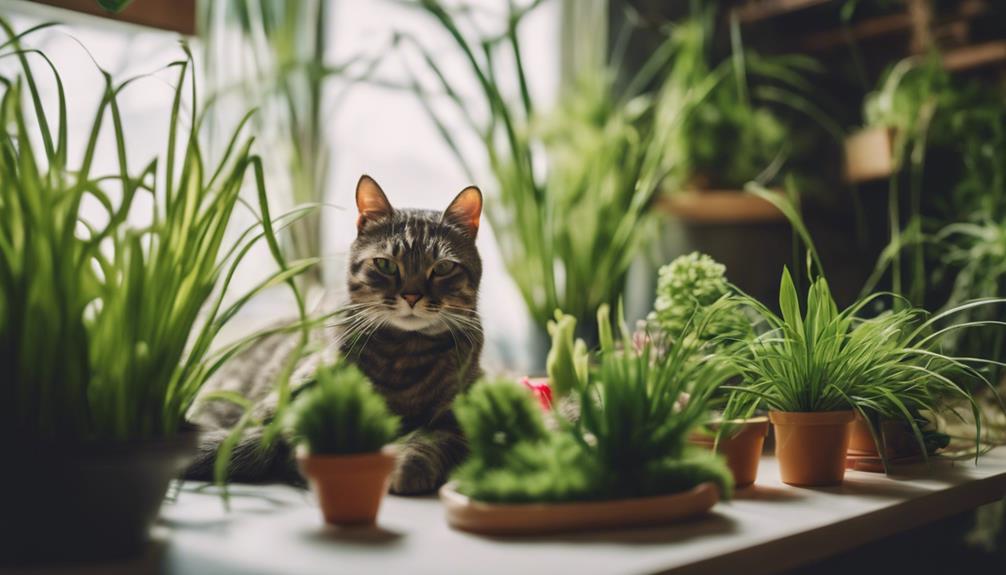
Exploring safe alternatives to corn plants can help pet owners create a feline-friendly environment that minimizes the risk of plant toxicity.
- Staghorn Fern, African Violet, and Christmas Cactus are excellent choices for homes with pets.
- Spider Plant, Boston Fern, and Areca Palm are non-toxic options that can replace corn plants effectively.
- Basil Plant, Gerbera Daisies, and Pansies offer vibrant colors without posing a risk of toxicity to cats.
- Variegated Swedish Ivy and Ponytail Palm are cat-proof plants that can be used as safe alternatives to corn plants.
- Cat Grass and Peperomia spp. provide diverse options for pet-friendly environments, ensuring a safe and appealing space for your feline companion.