Are Croton Plants Toxic To Cats


Croton plants are toxic to cats because they contain phorbol esters in their milky sap. Ingesting these compounds can lead to gastrointestinal upset and skin irritation in cats. Symptoms of poisoning include vomiting, diarrhea, mouth sores, and in severe cases, breathing difficulties and liver failure. Immediate veterinary care is essential if a cat is exposed to Croton plants to prevent serious health issues. Recognizing the risks and seeking help promptly are vital for cat owners. Understanding the dangers associated with Croton plants helps in protecting feline companions from potential harm. Further insights into toxicity effects and preventive measures are available.
Toxic Compounds in Croton Plants

Croton plants harbor toxic compounds, such as phorbol esters in their milky sap, posing a risk of harm to cats. These phorbol esters are known to cause skin irritation and can lead to gastrointestinal upset when ingested by cats.
Immediate veterinary attention is vital if a cat comes in contact with any part of the Croton plant or shows symptoms of poisoning. The toxic nature of these compounds can result in severe health issues for felines, making it essential to keep them away from these plants.
Understanding the potential dangers of phorbol esters in Croton plants can help pet owners take necessary precautions to safeguard their cats' well-being.
Risk to Cats
Croton plants pose a serious health risk to cats due to the toxic compounds present in their sap.
Ingestion of any part of the plant can lead to various symptoms of toxicity, including gastrointestinal upset, vomiting, diarrhea, and mouth sores.
Immediate veterinary attention is essential if a cat consumes Croton plants to prevent potentially life-threatening complications.
Cat Health Risks
Exposure to toxic compounds found in certain plants can present significant health risks to cats, necessitating awareness and precautionary measures by pet owners.
Cat Health Risks:
- Croton Toxicity: Croton plants contain toxic compounds like phorbol esters, making them poisonous to cats when ingested.
- Severe Symptoms: Ingestion of Croton plants can lead to gastrointestinal upset, vomiting, diarrhea, excessive drooling, and mouth sores in cats.
- Importance of Seeking Veterinary Care: Skin irritation, contact dermatitis, breathing difficulties, and liver failure can result from severe cases of Croton plant ingestion in cats, highlighting the critical need for immediate veterinary attention.
Pet owners must recognize the dangers posed by Croton plants and promptly seek professional help if their feline companions show any signs of poisoning.
Symptoms of Toxicity
Toxicity from ingesting plants containing harmful compounds can manifest in various symptoms that pose risks to the health of cats. When it comes to Croton plants, cats may experience symptoms such as gastrointestinal upset, including vomiting and diarrhea.
Additionally, ingestion of Croton plants can lead to excessive drooling, mouth sores, and skin irritation in cats exposed to the plant sap. Behavioral changes like lethargy and depression may also be observed in cats affected by Croton toxicity.
In severe cases, ingestion of Croton plants can result in breathing difficulties and even liver failure in cats. It is essential for cat owners to be aware of these symptoms and seek immediate veterinary care if their pet shows any signs of Croton plant ingestion.
Whole Plant Toxicity
Containing harmful phorbol esters and irritant substances in its milky sap, the Croton plant poses a significant threat to cats due to its whole plant toxicity.
- Toxic Components: All parts of the Croton plant, including leaves, stems, and roots, contain toxic substances that can be harmful to cats.
- Potential Ingestion Risks: Cats that ingest any part of the Croton plant may experience serious health issues such as gastrointestinal upset, vomiting, diarrhea, excessive drooling, and mouth sores.
- Severe Consequences: In more severe cases of ingestion, Croton plant toxicity can lead to breathing difficulties and liver failure in cats. It is important to keep Croton plants out of reach of feline companions to prevent accidental ingestion and its consequences.
Effects on Cats
With the potential for severe health consequences in cats, including gastrointestinal upset and even liver failure, the effects of Croton plant toxicity are a serious concern for feline owners. If a cat ingests parts of the Croton plant, symptoms such as vomiting, diarrhea, excessive drooling, and mouth sores may manifest.
Behavioral changes like lethargy or depression could also be observed. In severe cases, cats may experience breathing difficulties and liver failure. Prompt veterinary attention is vital as symptoms may not appear immediately.
It's important for cat owners to be aware of the poisonous nature of Croton plants and to seek immediate veterinary care if ingestion is suspected to prevent further complications for their feline companions.
Skin Irritation
Exposure to Croton plants can result in skin irritation for cats due to the presence of toxic compounds in their milky sap. This skin irritation can manifest as redness, itching, and potential rash development on the affected areas.
The irritant substances present in Croton plants have the potential to cause dermatitis and discomfort on a cat's skin upon contact. Signs of skin irritation in cats may include excessive scratching or licking following exposure to Croton plants.
If a cat experiences skin irritation from contact with Croton plants, it is advisable to promptly wash the affected skin area with mild soap and water to help alleviate the discomfort and reduce the chances of further irritation.
Mood Shift
After ingesting toxic Croton plants, cats may exhibit noticeable mood shifts such as lethargy or depression. These behavioral changes are common indicators of toxicity in cats exposed to Croton plants.
Lethargy, where the cat appears unusually tired or lacking in energy, is a typical response to the toxic effects of Croton plants. Additionally, mood alterations like increased hiding or reduced activity can signal that the cat's system has been affected by the ingestion of these plants.
Monitoring your cat for these mood shifts is essential following any encounter with Croton plants, as prompt identification of these signs can aid in timely intervention and treatment to mitigate the effects of toxicity.
Severity of Symptoms
Symptoms of Croton plant toxicity in cats can vary in severity, ranging from mild gastrointestinal issues to more serious consequences like liver failure. Cats may exhibit signs such as vomiting, diarrhea, excessive drooling, and skin irritation after exposure to Croton plants.
Treatment options for Croton toxicity in cats include supportive care, such as fluid therapy and monitoring for complications like respiratory distress or organ damage.
Symptom Types
The severity of symptoms associated with Croton plant toxicity in cats can vary from mild gastrointestinal disturbances to potentially life-threatening complications like liver failure. Cats may exhibit symptoms such as gastrointestinal upset, skin irritation, and behavioral changes like lethargy or depression after ingesting Croton plants.
Severe cases of ingestion can lead to breathing difficulties and liver failure. Prompt veterinary attention is vital as symptoms may not appear immediately, and delaying treatment can worsen the prognosis for the affected feline.
It is essential for cat owners to be vigilant for any signs of Croton plant toxicity and seek professional help if their pet shows any concerning symptoms.
Treatment Options
In managing cases of Croton plant toxicity in cats, treatment options are tailored based on the severity of symptoms presented by the affected feline. If you suspect your cat has ingested part of a Croton plant, it is important to act promptly. Call your veterinarian immediately for guidance.
Depending on the severity of symptoms, your veterinarian may recommend inducing vomiting to remove the plant material from your cat's system. Additionally, administering activated charcoal can help bind any remaining toxins. Intravenous fluids may be necessary to support your cat's hydration and aid in flushing out toxins.
The prognosis for cats exposed to plants that are toxic like Crotons depends on the timely intervention and the extent of toxicity, highlighting the importance of seeking veterinary care without delay.
Delayed Effects
Gradually emerging after ingestion, the delayed effects of Croton plant toxicity in cats require vigilant monitoring for behavioral changes or signs of discomfort.
3 Key Points Regarding Delayed Effects of Croton Toxicity in Cats:
- Symptoms Develop Gradually: Gastrointestinal upset, drooling, and skin irritation may not be immediate but can surface over time.
- Behavioral Changes: Cats might exhibit altered behavior or discomfort days after ingesting Croton plants.
- Importance of Monitoring: Close observation post-exposure is essential due to the delayed onset of symptoms.
These aspects underscore the necessity of prompt veterinary attention, even if signs of Croton toxicity appear after a period, ensuring the cat receives appropriate care without delay.
Diagnosis and Treatment
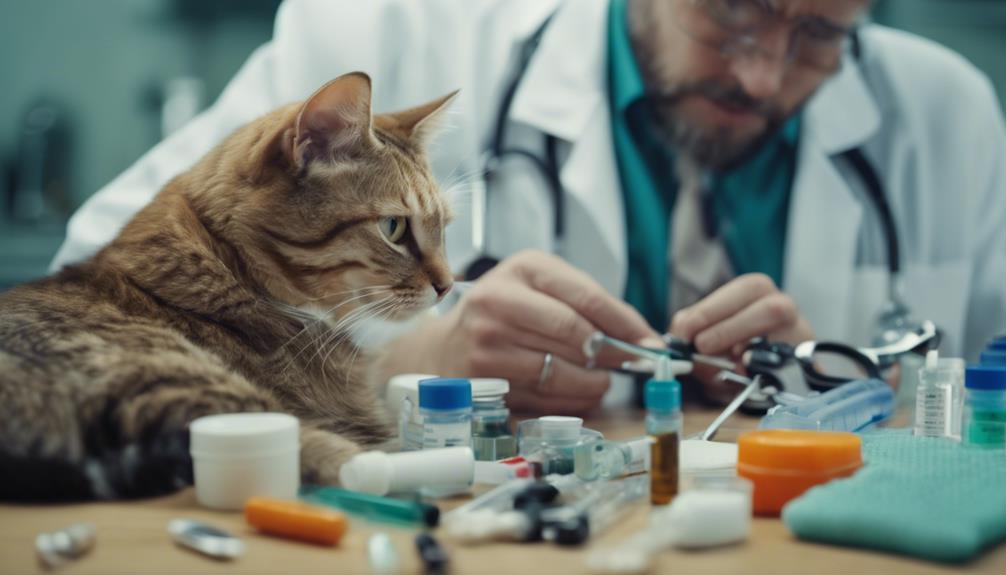
Following their initial assessment for Croton plant toxicity, veterinarians may conduct blood tests and physical examinations to diagnose the condition in cats. If a cat is confirmed to have ingested Croton plants, treatment may involve inducing vomiting to remove the toxins from the stomach or administering activated charcoal to prevent further absorption.
In severe cases, cats may require supportive care such as intravenous fluids and monitoring for complications. Follow-up care is important to guarantee the cat's recovery from Croton plant toxicity. Timely veterinary intervention is essential in managing and treating this toxicity effectively.
It is important for cat owners to be aware of the potential dangers of certain plants and to seek immediate veterinary help if ingestion is suspected.
Are Some Plants More Toxic to Cats than Others?
Yes, some plants like lilies and poinsettias are toxic, but are corn plants toxic to cats? Yes, they are. While cats may not usually be drawn to corn plants, ingesting them can lead to vomiting, diarrhea, and even more severe symptoms. It’s best to keep corn plants out of reach.
Preventative Measures
To mitigate the risk of Croton plant toxicity in cats, implementing preventative measures is essential for ensuring the safety and well-being of feline companions.
- Keep an Eye: Regularly supervise cats, especially in areas where Croton plants are present, to prevent ingestion of toxic compounds.
- Cat Consumes: If a cat consumes parts of a Croton plant, immediately contact a veterinarian for guidance and assistance.
- Common Signs of Poisoning: Familiarize yourself with common signs of poisoning such as vomiting, diarrhea, lethargy, or drooling, and seek veterinary care promptly if any symptoms arise.