Are Gardenias Toxic To Cats


Gardenias are toxic to cats due to compounds like geniposide and gardenoside. These can lead to symptoms like vomiting, diarrhea, and skin hives. It's important for cat owners to recognize the risks associated with these plants. Monitoring cats closely after exposure is essential to reduce toxicity. Swift veterinary intervention is necessary in cases of gardenia poisoning to alleviate symptoms. Understanding the potential dangers of gardenias for cats is critical to ensure their well-being. Further details on identifying symptoms, treatment options, and safe gardening practices can provide deeper insights into protecting cats from toxic exposure.
Potential Dangers of Gardenias for Cats
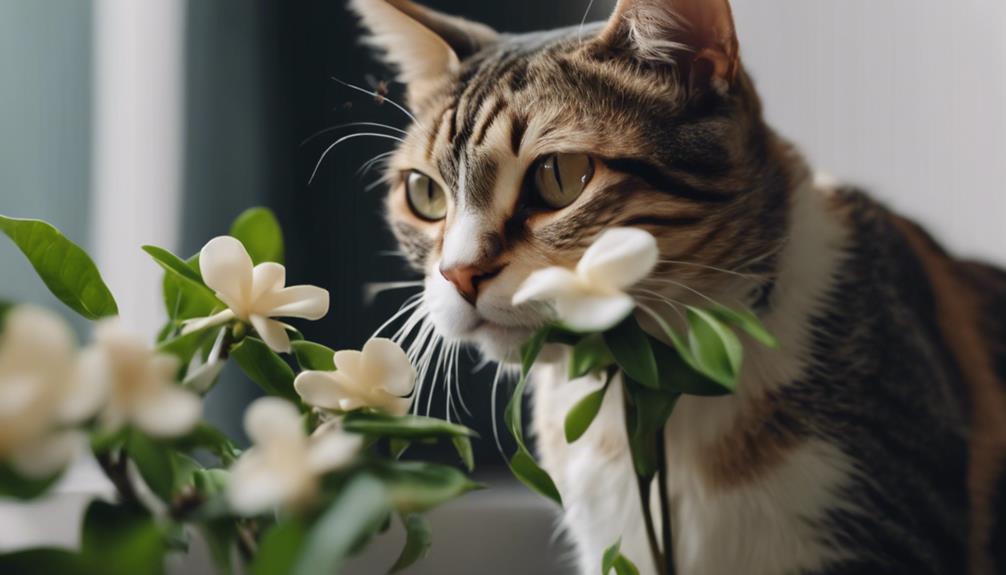
Gardenias pose a potential threat to cats due to the presence of toxic compounds such as geniposide and gardenoside. These substances are potentially toxic to cats if ingested, leading to adverse effects on their health. While most gardenia varieties are safe for cats, gardenia jasminoides can be harmful in rare cases.
It is essential for cat owners to be aware of the risks associated with gardenias and take precautions to prevent their pets from accessing these plants. By understanding the potential dangers of gardenias and their toxic components, owners can better protect their feline companions from poisoning incidents. Monitoring cats closely and ensuring they do not come into contact with gardenias can greatly reduce the risk of toxicity.
Identifying Symptoms of Gardenia Toxicity
Symptoms of toxicity in cats from ingesting gardenias typically manifest as vomiting, diarrhea, and skin hives. The severity of these symptoms correlates with the amount of gardenia consumed.
Cats experiencing gardenia toxicity may exhibit gastrointestinal upset. It's important to monitor your cat's behavior closely for early detection of potential poisoning. If you notice any of these symptoms, seeking prompt veterinary assistance is vital.
Understanding Gardenia Poisoning in Cats
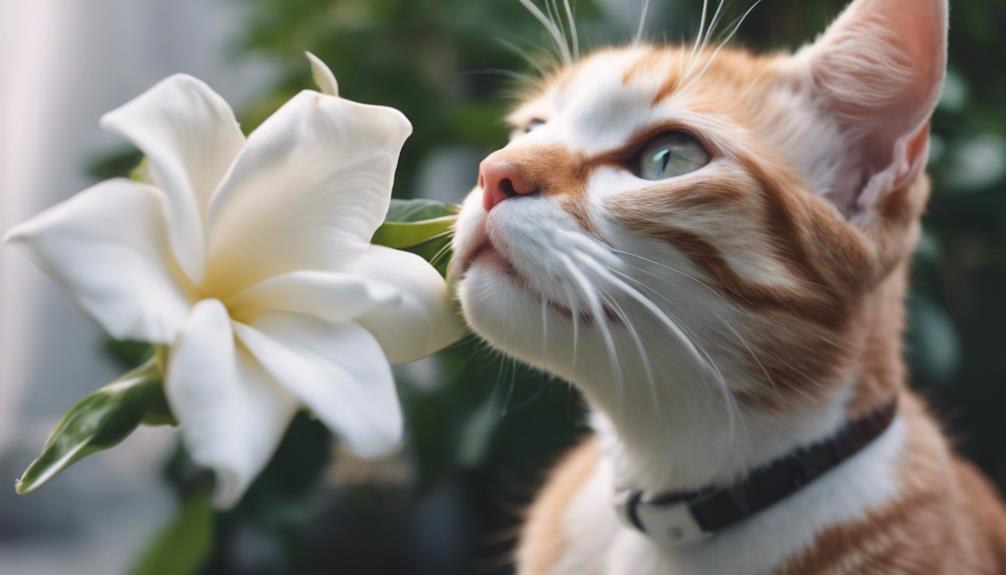
The potential dangers of gardenia poisoning in cats underscore the importance of swift and attentive veterinary intervention when symptoms arise. Gardenia plants contain toxic compounds like geniposides and gardenosides, which can lead to gastrointestinal upset in cats upon ingestion. Symptoms of gardenia poisoning typically include vomiting, diarrhea, and hives. Diagnosis is usually based on these symptoms, emphasizing the need for immediate veterinary care for effective treatment. Most cases of gardenia poisoning in cats are not fatal and can be managed with proper care. Veterinary treatment involves alleviating symptoms, detoxifying the cat's system, and providing supportive measures such as intravenous fluids. Prompt intervention is key to ensuring a positive outcome for cats affected by gardenia ingestion.
| Gardenia Poisoning in Cats | |
|---|---|
| Toxic Compounds | Geniposides, Gardenosides |
| Symptoms | Vomiting, Diarrhea, Hives |
| Importance | Swift Veterinary Intervention |
Treatment Options for Gardenia Ingestion
Gardenia ingestion in cats necessitates immediate veterinary attention to implement appropriate treatment measures aimed at managing symptoms and preventing complications.
Symptoms of gardenia poisoning in cats may include vomiting, which can be addressed by coating the stomach lining with medications like Kapectolin. In severe cases, inducing vomiting using hydrogen peroxide might be necessary to eliminate plant material from the stomach. Administering activated charcoal can aid in absorbing any remaining toxins in the cat's body.
Additionally, intravenous (IV) fluids may be required to prevent dehydration and maintain electrolyte balance in cats affected by gardenia ingestion. Seeking professional veterinary care promptly is essential to safeguard the well-being of cats exposed to gardenias.
Monitoring Cats After Gardenia Exposure
After exposure to gardenias, it is important to monitor cats for symptoms such as vomiting, diarrhea, and hives. If any signs of poisoning manifest, immediate veterinary assistance is essential to safeguard the cat's well-being.
Observing changes in behavior, appetite, and hydration levels can help detect potential toxicity and prompt appropriate action.
Symptoms to Watch
Symptoms commonly observed in cats following exposure to gardenias include vomiting, diarrhea, and skin hives. It's important to monitor for signs of dehydration, such as increased thirst and decreased urination, as well as any changes in behavior, appetite, or energy levels.
Immediate veterinary care is necessary if symptoms worsen or if breathing difficulties occur. Providing a calm and quiet environment can aid in the cat's recovery after gardenia poisoning.
Keep a close eye on your cat for any of these symptoms and seek prompt veterinary attention if needed. Remember, early detection and intervention can greatly improve the outcome for your feline friend.
Vet Visit Recommended
Upon observing any signs of poisoning in cats following exposure to gardenias, it is essential to promptly seek veterinary attention to guarantee proper management and treatment. Monitoring cats for symptoms like vomiting, diarrhea, and hives is important after potential exposure to gardenias.
Immediate veterinary care is recommended if any signs of poisoning manifest, as symptoms can vary depending on the amount of plant consumed. Close observation of your cat's behavior can aid in early detection and treatment of gardenia poisoning.
Professional veterinary care is essential to ensure the appropriate management and treatment of gardenia toxicity in cats. Remember to monitor your cat carefully and seek help promptly if any concerning symptoms arise.
Immediate Action Steps
Following exposure to gardenias, it is imperative to closely monitor your cat for any potential symptoms of poisoning, such as vomiting, diarrhea, and hives. Keep a close eye on your cat's behavior for at least 24 hours post-exposure. Seek veterinary assistance if your cat shows any signs of gardenia poisoning. Note any changes in your cat's appetite, energy levels, or overall well-being. Quick action and observation can help in early detection and treatment of any potential toxicity.
- Monitor your cat for symptoms like vomiting, diarrhea, and hives after gardenia exposure.
- Keep a close eye on your cat's behavior for at least 24 hours post-exposure.
- Seek veterinary assistance if your cat shows any signs of gardenia poisoning.
- Note any changes in your cat's appetite, energy levels, or overall well-being.
- Quick action and observation can help in early detection and treatment of any potential toxicity.
Preventing Gardenia Poisoning Incidents
To prevent gardenia poisoning incidents in cats, it is crucial to explore cat-safe gardenia alternatives. Monitoring cats for any behavioral changes or signs of ingestion is also essential. Having a vet's contact readily available for emergencies is crucial as well.
These steps can help guarantee the safety of your feline companions and reduce the risk of accidental poisoning from interactions with gardenias. By being proactive and taking preventive measures, cat owners can establish a safer environment for their pets.
Cat-Safe Gardenia Alternatives
When seeking cat-safe alternatives to gardenias to prevent poisoning incidents, consider incorporating non-toxic options such as roses, snapdragons, and gerbera daisies into your home environment. These alternatives not only provide a safe environment for your feline friend but also add beauty to your surroundings.
Additionally, safe herbs like basil, dill, and rosemary can serve as excellent substitutes for gardenias. Orchids are another visually appealing alternative that won't harm your cat. Elaeagnus shrubs emit a similar scent to gardenias but are non-toxic, offering a cat-friendly landscaping option.
Exercise caution with invasive species like autumn olive, as they can be harmful to cats; opt for safer alternatives to prevent poisoning risks.
- Roses
- Snapdragons
- Gerbera daisies
- Basil, dill, and rosemary
- Orchids
Monitoring Cats Behavior
In guaranteeing the safety of your feline companion, vigilantly monitoring their behavior around gardenias is essential to prevent potential poisoning incidents. Cats are curious by nature and may chew or nibble on plants like gardenias. Hence, it is vital to observe any signs of your cat showing interest in these plants.
Look out for changes in appetite, energy levels, or any unusual behavior that could indicate ingestion of gardenia parts. Immediate action is necessary if you notice suspicious behavior to prevent further harm. Regularly checking areas where gardenias are present can help ensure your cat's safety.
Vet Contact for Emergencies
In case of emergencies involving gardenia poisoning incidents, immediate contact with the ASPCA Animal Poison Control Center at (888) 426-4435 is crucial to guarantee timely assistance for your cat. It is essential to reach out to a veterinarian as soon as possible to make sure proper care for your feline companion.
Here are some key steps to prevent and address gardenia poisoning incidents effectively:
- Contact the ASPCA Animal Poison Control Center at (888) 426-4435 immediately.
- Seek assistance from a local veterinarian promptly.
- Quick veterinary care can aid in diagnosing and managing symptoms efficiently.
- Early professional help can reduce the risks associated with gardenia ingestion.
- Keep your vet's contact information handy for swift action during emergencies.
Importance of Prompt Veterinary Consultation
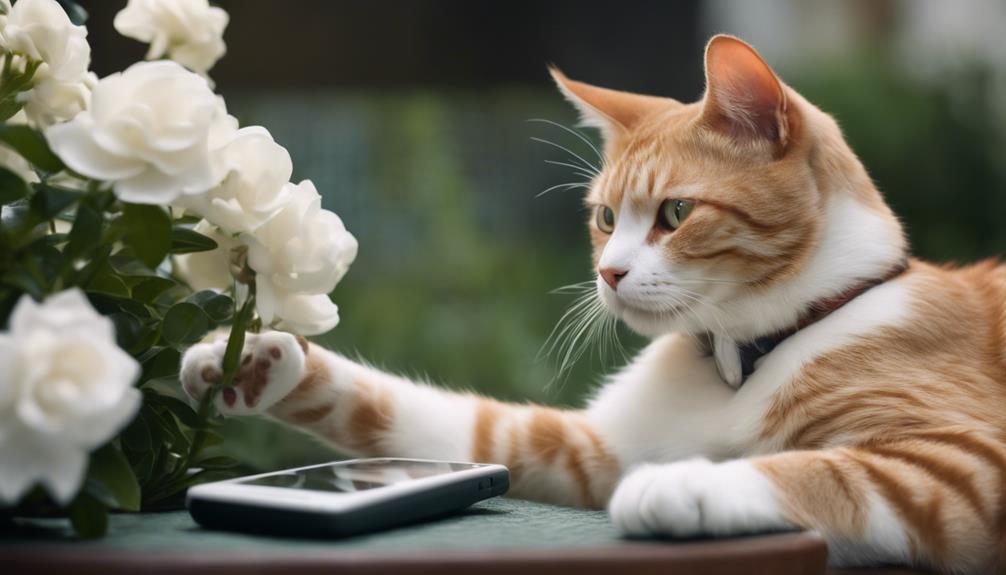
Seeking immediate veterinary consultation upon observing any symptoms of gardenia poisoning in your cat is vital to safeguarding its well-being. Gardenias are known to be toxic to cats, and common symptoms of poisoning include vomiting, diarrhea, drooling, lethargy, and loss of appetite.
If your cat displays any of these signs after potential exposure to gardenias, contacting a veterinarian promptly is essential. Professional intervention can help prevent complications, provide the necessary treatment, and secure the best possible outcome for your feline companion.
Veterinarians have the expertise to assess the severity of the poisoning, offer appropriate care, and guide you on how to support your cat during recovery. Timely action significantly increases the chances of minimizing the impact of gardenia toxicity on your pet's health.
Safe Handling of Gardenias Around Cats
Prompt veterinary consultation upon observing symptoms of gardenia poisoning in cats is essential to safeguard their well-being. When handling gardenias around cats, it is important to take preventive measures to guarantee their safety. Here are some essential tips to follow:
- Keep gardenias out of reach of cats to prevent potential ingestion.
- Supervise cats when around gardenias to make sure they do not chew on the plant.
- Place cut gardenias in secure locations indoors to avoid accidental access by cats.
- Use physical barriers like fences or plant stands to create a safe distance between cats and gardenias.
- Educate yourself on the symptoms of gardenia poisoning in cats to quickly recognize any issues.
These simple steps can help prevent incidents of poisoning in cats, especially since gardenias are considered toxic to cats.
Common Misconceptions About Gardenia Toxicity
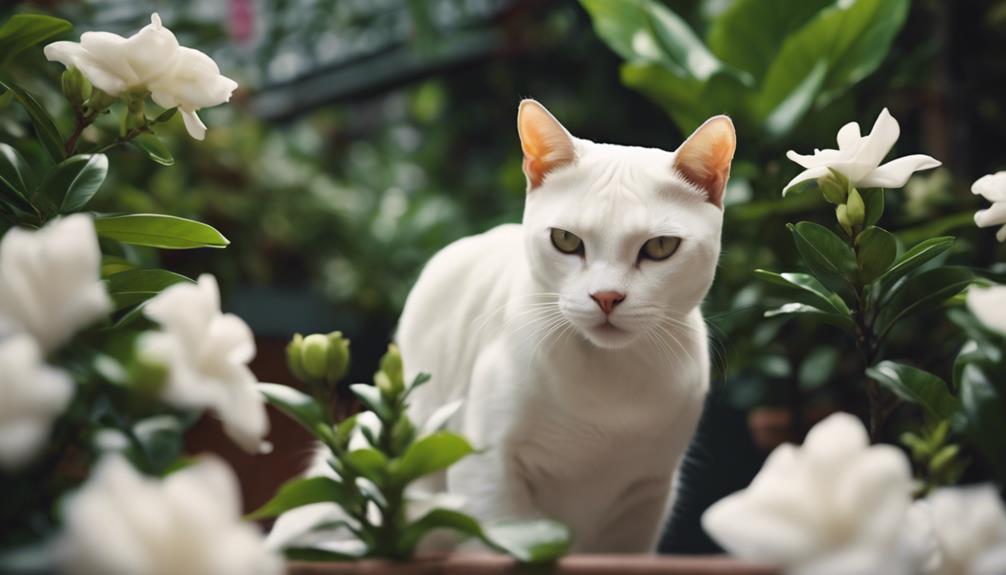
Despite common misconceptions, gardenias are generally safe for cats, with incidents of toxicity being rare. Most gardenia varieties are not toxic to cats and pose minimal risk. In fact, cats are more likely to cause harm to gardenias than the other way around.
If a cat were to ingest parts of a gardenia plant, it might experience mild stomach upset, such as vomiting. However, severe poisoning cases are uncommon. Signs of poisoning in cats from gardenias are generally limited to gastrointestinal upset and may include symptoms like vomiting.
If you suspect that your cat has been poisoned by a gardenia, it is important to consult a veterinarian promptly for appropriate guidance and care.
Can Goldfish Plants and Gardenias Harm Cats in the Same Way?
The goldfish plants and cats relationship is a matter of concern for pet owners. While goldfish plants are not known to be toxic to cats, gardenias can be harmful. Gardenias contain compounds that can cause gastrointestinal upset and discomfort in cats if consumed. It’s important to ensure a safe environment for your furry friend and keep potentially toxic plants out of their reach.
Tips for Pet-Safe Gardening Practices
To create a safe environment for your pets in the garden, it is crucial to implement pet-safe gardening practices. Here are some tips to help keep your cat safe around plants like cape jasmine:
- Keep gardenias out of reach: Prevent accidental ingestion by placing them where your cat cannot access.
- Use safe alternatives: Opt for cat-friendly plants like orchids or non-toxic herbs in your garden.
- Supervise outdoor activities: Make sure your cat does not chew on gardenia plants during playtime outside.
- Place cut gardenias strategically: Keep them in areas indoors that are inaccessible to pets.
- Careful plant placement: Arrange your garden to create a pet-safe environment, considering your cat's habits and curiosity.