Are Himalayan Cats Hypoallergenic


Himalayan cats are not hypoallergenic. They produce moderate levels of the Fel d 1 allergen and shed dander, posing challenges for allergy sufferers. Their long coats shed continuously, with a shedding rating of 6/10. Regular grooming is essential to control shedding. Female Himalayans and kittens produce less Fel d 1, slightly easing allergies. Strategies like grooming, diet adjustments, and environmental controls help manage allergies. Despite misconceptions, cat fur doesn't cause allergies; proteins in saliva, urine, and skin do. Living with a Himalayan cat requires proper care and grooming practices. Understanding their allergenic nature is important for those with sensitivities.
Allergenic Components of Himalayan Cats
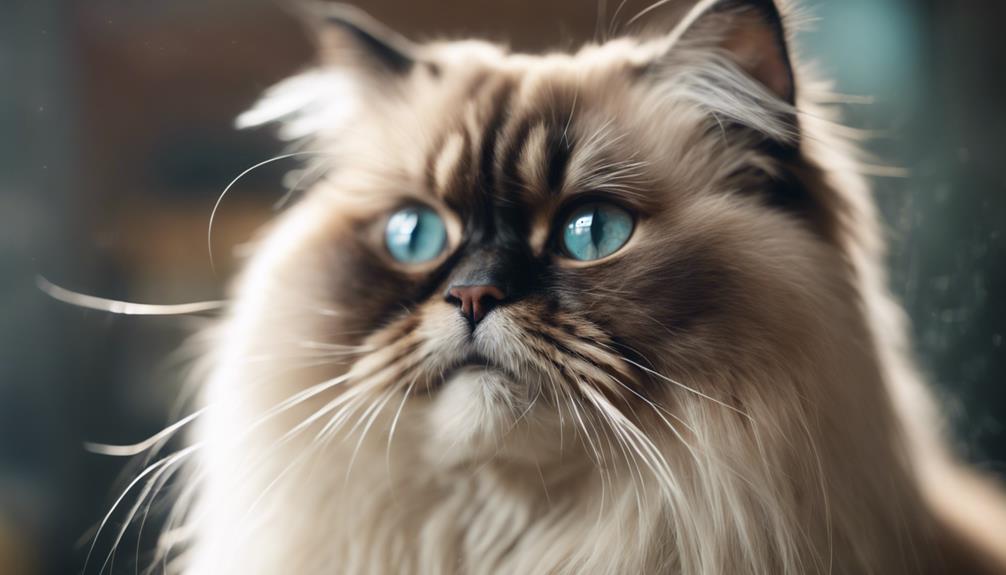
The allergenic components of Himalayan cats, particularly the Fel d 1 allergen, play a significant role in determining their suitability for individuals with allergies. These cats are not hypoallergenic and are known to produce moderate levels of the Fel d 1 allergen.
The shedding of their long, dense coat releases dander and allergens, contributing to potential allergic reactions. Female Himalayans and kittens generally produce less Fel d 1 allergen compared to adult males. Despite this, Himalayans have a moderate to high dander production rate, making them less suitable for individuals with allergies.
Their overall Hypoallergenic Score of 4/10 indicates a moderate allergenic potential, highlighting the importance of considering allergenic components when choosing a pet for allergy-prone individuals.
Shedding Behavior of Himalayan Cats
Himalayan cats exhibit a continuous shedding pattern influenced by their long, thick coats. Their shedding level is rated at 6/10, indicating moderate shedding behavior. The Himalayan cat's luxurious coat sheds throughout the year, with their hair length playing a significant role in this process, rated at 8/10 for these cats. To manage their shedding, regular grooming practices are essential. Daily brushing helps control the shedding of Himalayan cats, reducing the amount of loose fur in the home. Proper maintenance and grooming routines play an important role in keeping their coat healthy and minimizing shedding. By attending to their grooming needs, owners can help mitigate the shedding behavior of these beautiful felines.
| Shedding Level | Hair Length | Grooming Needs |
|---|---|---|
| 6/10 | 8/10 | Daily brushing |
Managing Allergies With Himalayan Cats

When overseeing allergies with Himalayan cats, it is crucial to take into account the following strategies:
- Allergy-friendly grooming tips
- Hypoallergenic diet recommendations
- Environmental allergy control methods
These practices can help reduce allergen exposure and minimize allergic reactions for individuals sensitive to cat dander and shedding. By implementing these strategies, cat owners can create a more comfortable living environment for themselves and their Himalayan cats.
Allergy-Friendly Grooming Tips
Implementing proper grooming practices is essential for managing allergies in Himalayan cats. Regular grooming, including daily brushing with a wide-toothed comb, can help reduce allergens like dander in their long coat. Professional grooming sessions every few months are also beneficial in minimizing shedding and dander. Additionally, trimming nails and cleaning ears regularly can further contribute to managing allergies with Himalayan cats. Addressing tear-staining promptly not only improves their hygiene but also reduces potential allergens. Seeking assistance from a professional groomer for grooming can be helpful in managing allergies associated with Himalayan cats.
| Grooming Practice | Frequency | Benefits |
|---|---|---|
| Daily brushing | Daily | Reduces dander accumulation in the coat |
| Professional grooming | Every few months | Minimizes shedding and dander |
| Nail trimming | Regularly | Helps in managing allergies |
| Ear cleaning | Regularly | Reduces potential allergens |
Hypoallergenic Diet Recommendations
To effectively manage allergies in Himalayan cats, a key aspect to take into account is their dietary intake, particularly focusing on hypoallergenic options tailored to reduce potential allergens.
When considering a hypoallergenic diet for your Himalayan cat, follow these recommendations:
- Choose cat food labeled as hypoallergenic or limited ingredient to minimize allergic reactions.
- Opt for high-quality protein sources like novel proteins such as duck, rabbit, or venison to reduce allergen exposure.
- Avoid common allergenic ingredients like grains, soy, and dairy products in your cat's diet.
- Consult with your veterinarian for personalized dietary recommendations tailored to managing allergies in Himalayan cats.
Environmental Allergy Control Methods
Managing environmental allergies with Himalayan cats involves implementing various control methods to reduce allergen exposure in the home environment.
To minimize allergens, consider using HEPA air purifiers to trap airborne particles effectively. Regular dusting is essential to remove allergens from surfaces and maintain a cleaner living space.
To further reduce exposure, it's advisable to keep Himalayan cats out of bedrooms, especially during sleep. Vacuuming daily with a HEPA vacuum cleaner can help eliminate allergens from carpets and upholstery.
Additionally, washing textiles like bedding and curtains regularly can aid in creating an allergy-friendly environment. By incorporating these practices, individuals with allergies can better manage their symptoms and enjoy living harmoniously with their beloved Himalayan cats.
Grooming Tips for Himalayan Cats
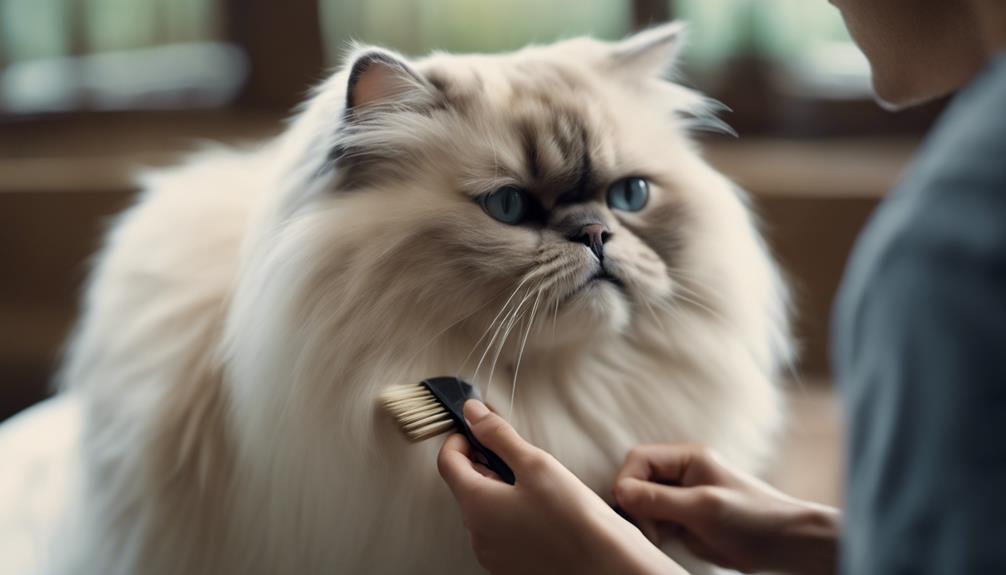
Maintaining the pristine appearance and health of Himalayan cats requires daily grooming practices tailored to their long, dense fur. Here are some essential grooming tips for Himalayan cats:
- Use a wide-toothed comb for daily brushing to prevent matting and tangling.
- Schedule professional grooming sessions every few months to help maintain their luxurious coat.
- Regularly trim their nails and clean their ears to prevent health issues.
- Promptly address tear-staining around their eyes to prevent discomfort and maintain hygiene.
Effects of Himalayan Cats on Allergies
Himalayan cats can exacerbate allergies in individuals due to their shedding and dander, making them unsuitable for allergy sufferers seeking hypoallergenic pets.
The moderate production of the Fel d1 allergen in their saliva can trigger respiratory issues and skin irritations in sensitive people.
Understanding the allergenic potential of Himalayan cats is essential for managing allergy symptoms effectively in households with these feline companions.
Allergy Symptoms and Triggers
In individuals sensitive to allergens, Himalayan cats can exacerbate allergy symptoms due to the presence of the Fel d 1 protein in their saliva. When exposed to Himalayan cats, allergic individuals may experience various symptoms, including sneezing, itching, watery eyes, and respiratory issues.
The allergens produced by Himalayan cats can trigger allergic reactions in susceptible individuals, leading to discomfort and health issues. Factors such as shedding rate and allergen production contribute to the severity of allergic reactions in sensitive individuals.
To mitigate these effects, individuals with allergies should take proactive measures to reduce exposure to allergens by managing their environment and practicing good hygiene habits.
- Sneezing
- Itching
- Watery eyes
- Respiratory issues
Managing Cat-Related Allergies
Individuals prone to allergies must adopt strategic approaches to mitigate the effects of Himalayan cats on their respiratory and skin health. While Himalayan cats are not considered hypoallergenic, certain measures can help allergy sufferers manage their symptoms. Compared to some other breeds, such as the Persian, Himalayan cats may produce fewer allergens, especially female cats and kittens.
Regular grooming practices, such as bathing and brushing, can assist in reducing shedding and dander levels. It's essential for those with cat allergies to be aware of the potential sensitivity to Himalayan cats due to their shedding characteristics and allergen production. By implementing proper care routines and being mindful of allergen levels, individuals can better manage their cat-related allergies.
Hypoallergenic Misconceptions in Cat Breeds
Misconceptions surrounding hypoallergenic qualities in cat breeds persist despite the underlying cause of allergies being proteins found in skin, saliva, and urine rather than cat fur. Here are some key points to keep in mind:
- Cat fur doesn't directly trigger allergies; proteins like Fel D1 in skin, saliva, and urine are the culprits.
- Hypoallergenic cat breeds can help reduce allergen production, easing allergy symptoms for some individuals.
- Himalayan cats, despite common belief, are not hypoallergenic and produce average levels of the Fel D1 allergen.
- Even with lower shedding, cat breeds like Himalayans can still trigger allergies due to the presence of allergens in their dander.
Understanding these facts can assist in effectively managing allergies related to cats.
Are Maine Coon Cats as Hypoallergenic as Himalayan Cats?
Maine Coon Cats are not typically considered hypoallergenic pets, unlike Himalayan Cats. While no cat breed is completely hypoallergenic, some may produce fewer allergens. Maine Coon Cats shed a lot and have dander, making them less suitable for individuals with allergies.
Living With a Himalayan Cat and Allergies
Living harmoniously with a Himalayan cat while managing allergies requires consistent grooming and maintenance routines. Himalayan cats, despite not being a hypoallergenic breed, can be enjoyed by allergy sufferers with proper care. These cats have coats that shed and produce moderate levels of allergens in your home. Female Himalayans and kittens tend to produce less Fel d1 allergen, making them slightly more tolerable for those with cat allergies.
To reduce allergens, grooming practices such as monthly baths and daily brushing are essential. While shedding is a primary cause of allergies with Himalayan cats, regular maintenance can help minimize the impact on allergy sufferers. By implementing these strategies, you can create a more comfortable environment for living with your beloved Himalayan kitten.