Are Hydrangeas Poisonous To Cats


Hydrangeas are toxic to cats as they contain cyanogenic glycosides throughout the plant, leading to cyanide poisoning if ingested. This toxicity affects all parts of the hydrangea plant, including the flowers, leaves, buds, and stalks, posing severe risks to felines. Symptoms of ingestion include loss of appetite, vomiting, diarrhea, a painful belly, and depression. Immediate veterinary attention is essential if poisoning is suspected. Understanding the most toxic hydrangea species, preventive measures for cat safety, and the importance of consulting a veterinarian can help protect cats from harm. Be mindful of these risks to safeguard your pet's well-being.
Hydrangea Toxicity in Cats
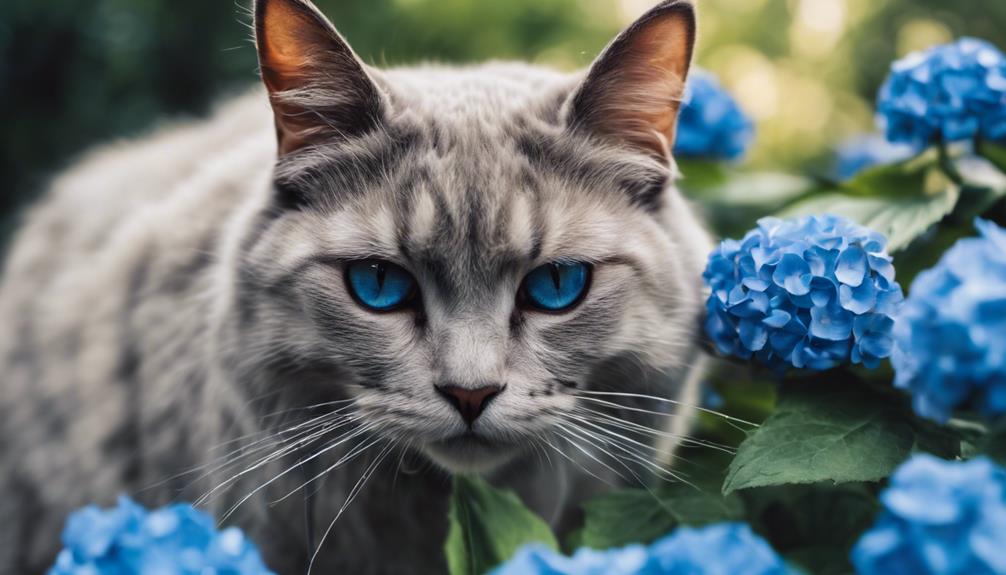
Hydrangea toxicity in cats results from the presence of cyanogenic glycosides in all parts of the plant, posing a serious risk of cyanide poisoning upon ingestion. These toxic compounds, found in hydrangeas, can release cyanide when consumed by cats, leading to harmful effects on their health.
It is crucial for cat owners to be aware that flowers, leaves, buds, and stalks of the hydrangea plant are all hazardous to felines. Due to this toxicity, ingestion of any part of the hydrangea plant can result in severe consequences for cats.
Understanding the dangers associated with hydrangeas and preventing access to these plants are essential steps in safeguarding the well-being of cats.
Symptoms of Poisoning in Cats
Common symptoms of hydrangea poisoning in cats include:
- Loss of appetite
- Vomiting
- Diarrhea
- A painful belly
- Depression
If you notice any of these signs in your cat after potential exposure to hydrangeas, immediate veterinary attention is essential. Ignoring these symptoms can lead to severe consequences, both in the short term and potentially causing long-term effects on your cat's health.
Common Poisoning Signs
Symptoms of poisoning in cats can manifest as a range of distressing signs, including vomiting, diarrhea, loss of appetite, and depression. In cases of hydrangea poisoning in cats, additional symptoms may include a painful belly, lethargy, gastrointestinal distress, discomfort, dehydration, and a general unwell appearance.
These signs can indicate that your cat has ingested hydrangeas and is experiencing toxicity. If you notice any of these poisoning symptoms, it's vital to contact a veterinarian as soon as possible for proper diagnosis and treatment. Prompt veterinary attention is essential to guarantee the well-being and recovery of your cat. Early intervention can make a significant difference in the outcome of hydrangea poisoning in cats.
Immediate Vet Attention
Seeking immediate veterinary attention is vital when observing signs of poisoning in cats, especially after they have ingested hydrangeas. Symptoms of hydrangea poisoning in cats include vomiting, diarrhea, loss of appetite, and depression.
If your cat shows signs of a painful belly and lethargy after consuming hydrangeas, it is important to seek immediate vet attention. Hydrangeas contain cyanogenic glycosides that can lead to cyanide poisoning in cats, making monitoring for symptoms like drooling, breathing difficulties, or seizures important.
Potential Long-Term Effects
Long-term exposure to hydrangea toxins in cats can result in a range of chronic health issues, including kidney damage, dehydration, electrolyte imbalances, liver or respiratory problems, neurological symptoms, and weight loss. Cats are particularly vulnerable to the effects of cyanogenic glycosides found in hydrangeas, which can lead to severe consequences if ingested over an extended period.
It is essential for cat owners to be vigilant for signs of illness that may indicate toxicity, such as persistent vomiting, diarrhea, seizures, or tremors. These symptoms should prompt immediate veterinary attention to prevent further complications. Chronic ingestion of hydrangeas can also result in nutritional deficiencies, emphasizing the importance of keeping these plants away from cats as they are toxic to felines.
Immediate Veterinary Attention Needed
When a cat ingests hydrangeas, immediate veterinary attention is essential to address potential poisoning and ensure the best outcome for the feline.
Hydrangea plants contain substances that are toxic to cats, and if a cat spends time outdoors where these plants are present, there is a risk of ingestion. If you notice your cat vomiting after being around hydrangeas, it could be a sign of poisoning.
In such cases, contacting your veterinarian promptly is important for guidance and treatment. Remember not to induce vomiting in your cat without professional advice.
Quick action, careful monitoring for symptoms like lethargy, and seeking professional help can greatly improve the chances of a positive outcome for your furry friend.
Most Toxic Hydrangea Species

Among hydrangea species that pose a toxicity risk to cats, the Bigleaf hydrangea (Hydrangea macrophylla) is particularly the most dangerous. These plants contain cyanogenic glycosides, which release cyanide when ingested by cats. Other toxic hydrangea species include Hydrangea paniculata, Hydrangea arborescens, and Hydrangea quercifolia.
With over 75 hydrangea species known to be harmful to cats, it is important to be cautious. If a cat consumes any part of a toxic hydrangea plant, immediate veterinary attention is necessary to mitigate the potential harm. Understanding the dangers associated with these plants can help cat owners take proactive steps in preventing accidental ingestion and safeguarding their pet's safety.
Preventive Measures for Cat Safety
To ensure the safety of your feline companions, it is essential to implement preventive measures that minimize the risk of exposure to toxic plants like hydrangeas. Place hydrangeas in areas that are inaccessible to your pet to prevent accidental ingestion.
Additionally, research and avoid other toxic plants in your home that you suspect could harm your cat. When your cat is outdoors, supervise their activities closely to prevent plant ingestion.
Consider moving your cats to indoor environments where they are less likely to encounter harmful plants. Finally, keep emergency veterinary contact information handy in case of plant poisoning emergencies.
Botanical Oil Sprays for Protection
Botanical oil sprays offer a natural and safe way to protect your cats from toxic plants like hydrangeas in your garden.
These sprays create a scent barrier that deters cats from nibbling on harmful foliage, ensuring their safety.
Natural Repellent Options
When using botanical oil sprays to protect cats, it's important to keep in mind the following key points:
- Effectiveness: Botanical oil sprays emit scents that cats find unpleasant, creating a deterrent around hydrangeas.
- Essential Oils: Citronella, lavender, peppermint, and lemongrass are examples of essential oils that can help in deterring cats.
- Application: Regularly apply botanical oil sprays to establish a protective barrier around the plants.
- Safety: Botanical oil sprays are a safe and non-toxic method to safeguard cats from coming into contact with toxic plants like hydrangeas.
Safe Gardening Practices
Implementing safe gardening practices, such as utilizing botanical oil sprays for protection, is essential in safeguarding cats from accessing toxic plants like hydrangeas.
Botanical oil sprays serve as a safe deterrent, creating a barrier on plants that cats find unpleasant, thereby preventing them from nibbling on toxic foliage. These sprays are non-toxic to pets, offering a natural and effective way to safeguard your garden against plant poisoning.
The scent or taste of botanical oils can repel cats, discouraging them from coming into contact with harmful plants like hydrangeas. Regular application of botanical oil sprays can help establish a protective barrier around plants, minimizing the risk of cats ingesting toxic substances.
Motion-Activated Sprinkler for Deterrence
An effective method for deterring cats from accessing hydrangeas is through the use of motion-activated sprinklers. These sprinklers are equipped with sensors that detect motion, triggering a spray of water that startles the cat.
Here are some key points about motion-activated sprinklers for deterring cats:
- Use sensors to detect movement around the hydrangeas.
- Spray water when motion is detected, scaring away the cat.
- Teach cats to avoid the area with hydrangeas through this sudden spray of water.
- Provide a humane and safe way to protect cats from potentially toxic plants.
Consistent use of motion-activated sprinklers can effectively train cats to stay away from hydrangeas in the garden.
Ultrasonic Deterrent to Safeguard Cats
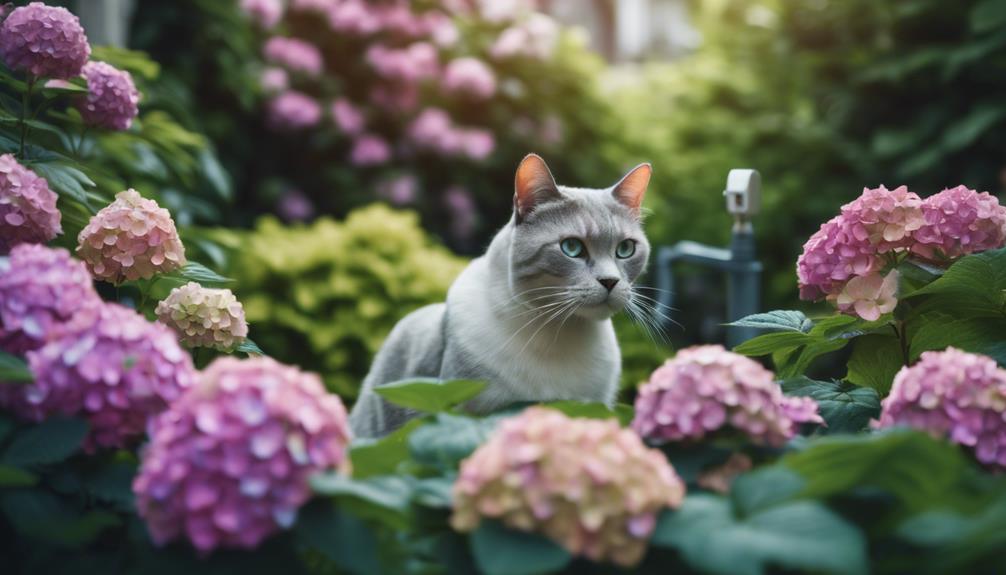
To further safeguard cats from potential exposure to toxic hydrangeas, ultrasonic deterrents offer a humane and effective method by emitting high-frequency sound waves that deter felines from accessing these plants. These devices are motion-activated, detecting when a cat is nearby and triggering the unpleasant sound.
This sound is inaudible to humans, making it safe for both cats and their owners. Ultrasonic deterrents provide a non-invasive way to prevent cats from coming into contact with hydrangeas, reducing the risk of poisoning.
Can Ladybugs Poisonous to Cats Also Pose a Hazard to Cats?
While ladybugs are generally not harmful to cats, certain species can release a toxic substance when threatened, which can be harmful if ingested. It is important to monitor cats around ladybugs and seek veterinary help if you suspect ladybugs and cats toxicity has occurred.
Consultation With Veterinarian Essential
Is seeking consultation with a veterinarian necessary if you suspect your cat has ingested hydrangeas? Here are four reasons why consulting with a veterinarian is essential in such situations:
- Guidance on Symptoms: Veterinarians can provide insights on symptoms to watch for in cases of hydrangea ingestion.
- Treatment Options: Vets can suggest potential treatment options to address hydrangea poisoning in cats.
- Immediate Care: Timely veterinary intervention is vital to prevent severe consequences of hydrangea toxicity.
- Specific Actions: Veterinarians may recommend actions like inducing vomiting or administering activated charcoal to mitigate the effects of hydrangea ingestion.
Consulting with a vet promptly can greatly enhance the chances of a positive outcome for a cat exposed to hydrangeas.