Are Irises Poisonous To Cats


Irises are toxic to cats due to compounds like iridin, irisin, and irisine, mainly in the rhizomes or bulbs. Ingestion of leaves, flowers, or stems can cause vomiting, nausea, abdominal pain, diarrhea, and mouth ulcers. Symptoms like drooling, lethargy, and tissue irritation may also occur. Immediate veterinary attention is important if poisoning is suspected. Treatment involves toxin removal, symptom management, and supportive care. Prevent toxicity by keeping irises out of reach, checking for fallen plant parts, and using deterrents. Creating a cat-friendly garden with safe alternatives is recommended. Protect your feline companion from potential harm.
Potential Toxicity of Irises to Cats
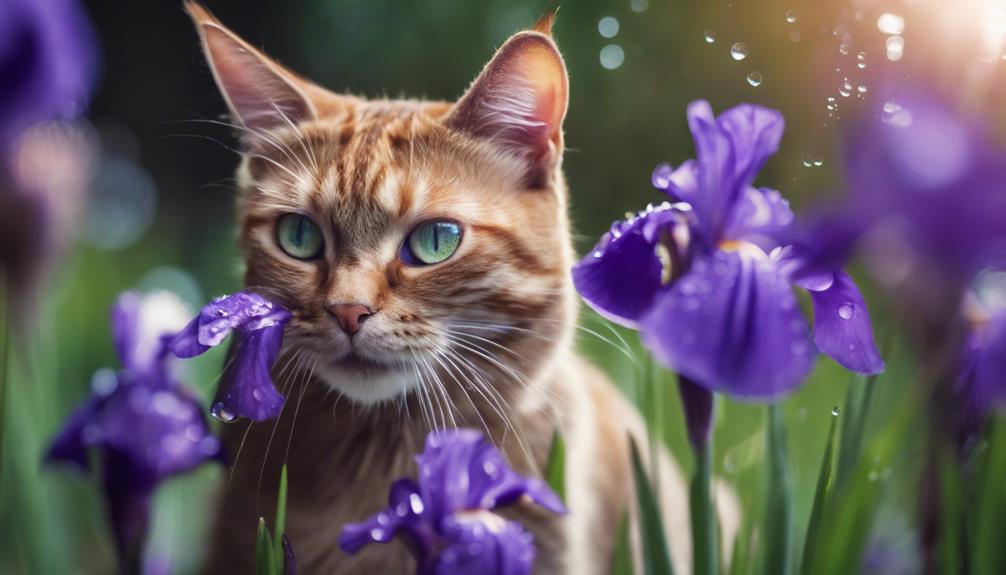
Irises pose a potential toxicity risk to cats due to the presence of toxic compounds such as iridin, irisin, and irisine, with the highest concentration typically found in the rhizomes or bulbs of the plant. These compounds make irises a toxic plant that can be poisonous to cats if ingested.
Even though cats may not naturally be drawn to consuming irises, accidental ingestion of leaves, flowers, or stems can lead to harmful effects. It is essential for cat owners to be aware of the potential dangers that irises present and take precautions to prevent their pets from accessing these plants.
Understanding the toxic nature of irises can help in creating a safe environment for cats and avoiding any instances of poisoning.
Symptoms of Iris Poisoning in Cats
Exposure to toxic compounds present in irises can manifest in cats through a range of symptoms indicative of poisoning. Symptoms of iris poisoning in cats include vomiting, nausea, abdominal pain, diarrhea, mouth ulcers, and skin irritation. Cats can exhibit mouth and throat ulcers, signaling tissue irritation from ingesting the plant.
Ingesting leaves, flowers, or stems of the iris plant can lead to these symptoms, with the highest toxin concentrations in the rhizomes or bulbs. Prompt veterinary attention is essential when these symptoms are observed to address and treat iris poisoning in cats effectively, preventing further complications. If you notice any of these symptoms in your cat after potential iris exposure, seek veterinary care immediately for proper evaluation and treatment.
Factors Influencing Iris Toxicity in Cats

Factors influencing the toxicity of irises in cats include the concentration of toxic compounds like missourin, missouriensin, and zeorin, with the highest levels typically present in the bulbs or rhizomes of the plant. These toxic components can vary in potency and distribution within the iris plant. Various factors such as the amount ingested, the size of the cat, and individual sensitivities can impact the severity of iris toxicity. Cats that have ingested irises may exhibit symptoms like drooling, vomiting, diarrhea, lethargy, and potential tissue irritation. If a cat shows any signs of iris poisoning, it is essential to seek prompt veterinary attention to prevent further complications. Below is a table summarizing the factors influencing iris toxicity in cats:
| Factor | Influence |
|---|---|
| Concentration of Toxic Compounds | Highest in bulbs or rhizomes |
| Amount Ingested | Determines severity of toxicity |
| Individual Sensitivities | Can impact how a cat reacts to the toxins in irises and the subsequent symptoms exhibited |
Treatment for Iris Poisoning in Cats
Treatment for iris poisoning in cats involves a combination of interventions aimed at removing toxins, managing symptoms, and supporting the cat's recovery. If a cat ingests irises, inducing vomiting may be necessary to expel the toxic plant material. Mouth washing can help eliminate any remaining toxins in the mouth and throat.
Fluid therapy is often administered to aid in hydration and detoxification. Veterinarians may prescribe medications to control vomiting and alleviate gastrointestinal issues. Continuous monitoring and follow-up visits are vital to track the cat's progress and prevent any complications arising from iris poisoning.
Prompt and appropriate treatment is essential in ensuring the cat's well-being and recovery from exposure to toxic plants like irises.
Can I Plant Irises and Lilacs in My Garden if I Have Cats?
Yes, you can plant irises and lilacs in your garden if you have cats. However, it’s important to consider lilacs and cats safety. Some plants can be toxic to felines if ingested, so be sure to research the safety of these specific flowers for your furry friends.
Preventing Iris Toxicity in Cats
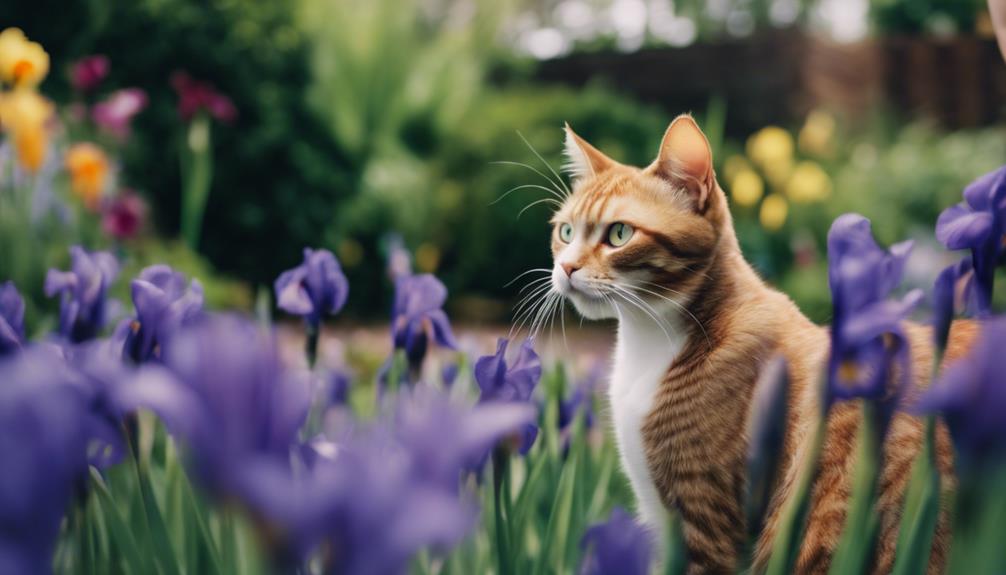
Preventing iris toxicity in cats involves proactive measures to safeguard their well-being and avoid potential ingestion of the harmful plant. To protect your feline companions, remove irises from your home or place them out of reach indoors.
Regularly check for fallen leaves or flowers that cats could access. Using deterrents such as spraying irises with water, citrus juice, or apple cider vinegar can help discourage cats from approaching the toxic plants.
Creating a cat-friendly garden with safe alternatives like catnip or cat grass can redirect your cat's attention away from irises. By implementing these precautionary strategies, you can minimize the risk of accidental ingestion and promote a safer environment for your beloved pets.