Are Japanese Bobtail Cats Hypoallergenic


Japanese Bobtail cats are not hypoallergenic but can be better tolerated by those with mild allergies. They produce Fel d 1 protein through saliva and skin, but their low undercoat reduces allergen shedding. Allergies may still be triggered, especially during shedding seasons, but regular grooming can help minimize allergen spread. Understanding allergens like Fel d 1 and exploring management strategies is essential. Consider consulting an allergist before bringing a Japanese Bobtail cat home. For allergy sufferers, Japanese Bobtails might offer a more manageable experience. Learn more about allergen management and alternatives for a harmonious living environment.
Japanese Bobtail Cat Allergen Production
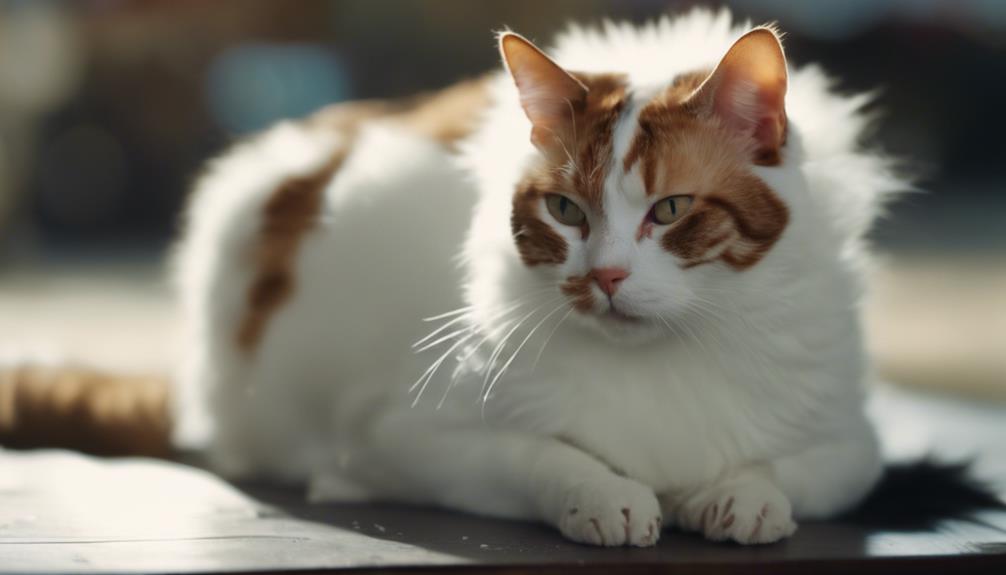
Japanese Bobtail cats produce the Fel d 1 protein, a common allergen for humans, through their saliva and skin. Despite being known as a hypoallergenic breed due to their low undercoat which reduces allergen shedding, Japanese Bobtail cats may still trigger allergies in sensitive individuals, especially during shedding seasons in fall and spring.
While not entirely hypoallergenic, their reduced allergen production compared to other cat breeds makes them a potential option for those with mild allergies. Regular grooming and maintenance practices can further help minimize the spread of allergens from Japanese Bobtail cats, improving the living conditions for individuals with sensitivities.
As a result, although not completely allergen-free, Japanese Bobtail cats could be a suitable choice for those with less severe allergies.
Common Allergic Reactions to Japanese Bobtail Cats
Allergic reactions to Japanese Bobtail cats can manifest as sneezing, coughing, itchy eyes, and skin rashes due to the Fel d 1 protein they produce. These symptoms are common among individuals sensitive to cat allergens and can vary in severity depending on the person.
Managing these allergic reactions may involve reducing exposure to the cat, regular cleaning, and consulting with a healthcare provider for appropriate treatment options.
Allergy Symptoms Overview
Have you ever experienced discomfort or reactions around certain feline companions that lack an undercoat?
Allergies to cats, especially Japanese Bobtails, can manifest through common symptoms such as sneezing, coughing, itchy or watery eyes, nasal congestion, and skin rashes. These reactions are often triggered by the Fel d 1 protein found in the saliva and skin of Japanese Bobtail cats.
Due to their reduced shedding, Japanese Bobtails may be more suitable for individuals with mild allergies compared to breeds with heavier fur. However, shedding seasons in the fall and spring can still affect allergy sufferers.
Regular grooming practices like brushing a few times a week can help minimize shedding and decrease allergic responses to Japanese Bobtail cats.
Managing Cat Allergies
When managing cat allergies, it is essential to understand the common reactions that individuals may experience when exposed to Japanese Bobtail cats.
Most cat allergies stem from the Fel d 1 protein in cat saliva and skin, a factor not specific to the Japanese Bobtail breed. Due to their reduced shedding from lacking an undercoat, Japanese Bobtail cats may produce fewer allergens, making them potentially more tolerable for those with mild cat allergies.
Regular grooming and brushing of Japanese Bobtails can further decrease allergens by eliminating loose fur and dander. While not entirely hypoallergenic, Japanese Bobtail cats could be a preferred choice for individuals seeking a feline companion but are sensitive to cat allergens.
Tips for Allergy Sufferers Considering Japanese Bobtail Cats
For individuals with mild allergies considering Japanese Bobtail cats, implementing specific tips can help manage potential allergic reactions. Japanese Bobtail cats are not hypoallergenic due to the presence of the Fel d 1 protein in their saliva and skin, which can trigger allergies in some people.
To reduce allergic reactions, allergy sufferers can consider regular grooming practices like brushing the cat a few times a week to minimize shedding and the spread of allergens in the environment. Being aware of the shedding seasons in fall and spring can help individuals prepare for potential increases in allergens during these times.
While Japanese Bobtail cats may be suitable for those with mild allergies, it's essential to consult with an allergist before bringing one into the home.
Hypoallergenic Misconceptions About Japanese Bobtail Cats
Despite common misconceptions, Japanese Bobtail cats are not hypoallergenic due to the presence of the Fel d 1 protein in their saliva and skin. While they may shed less frequently than some other breeds, they still shed and can trigger allergies in sensitive individuals.
These cats have a minimal undercoat but still experience seasonal shedding, especially in the fall and spring. Individuals with mild allergies might find Japanese Bobtail cats more manageable than breeds with heavier shedding, but they are not hypoallergenic.
Regular grooming, including brushing a few times a week, can help reduce allergens by managing their shedding. It's essential for potential cat owners to understand that hypoallergenic misconceptions about Japanese Bobtail cats are unfounded, and precautions should be taken for those with allergies.
Allergen Management for Japanese Bobtail Cat Owners
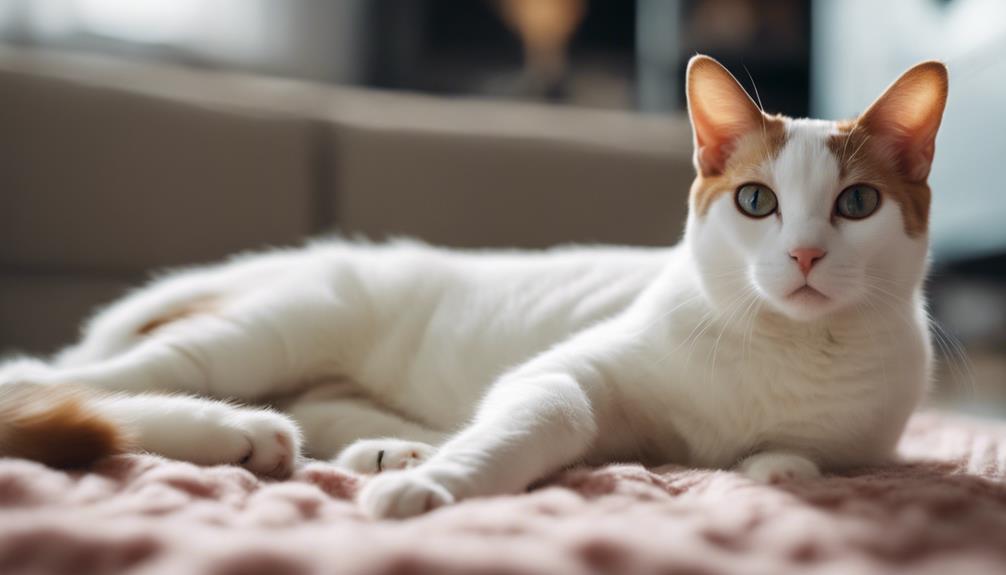
Moving from the discussion on hypoallergenic misconceptions surrounding Japanese Bobtail cats, effective management of allergens becomes imperative for owners of this breed. Japanese Bobtail cats, while not hypoallergenic, shed less due to the absence of an undercoat, helping reduce allergens in the environment. Shedding seasons in the fall and spring can lead to increased allergens. Regular grooming practices like brushing a few times a week can aid in minimizing shedding and controlling allergens.
| Allergen Management for Japanese Bobtail Cats | ||
|---|---|---|
| Key Points | Details | Impact |
| Regular grooming | Helps minimize shedding | Control allergens |
| Shedding seasons | Fall and spring spikes | Potential allergen increase |
| Lack of undercoat | Less shedding | Reduced allergens |
Potential Allergy Relief Strategies for Cat Owners
Considering the challenges that cat owners with allergies may face, implementing effective allergy relief strategies is essential for maintaining a harmonious environment with their feline companions.
For Japanese Bobtail cat owners dealing with allergies, there are several potential relief strategies to explore. Regular grooming of the cat to reduce shedding and dander can help minimize allergens in the home. Using air purifiers with HEPA filters can also aid in trapping airborne particles that may trigger allergies. Creating designated cat-free zones in the house, such as the bedroom, can provide allergy sufferers with a safe space. Additionally, washing bedding and vacuuming frequently can further reduce allergen exposure.
While Japanese Bobtail cats are not hypoallergenic, these strategies may help alleviate symptoms for some individuals with mild allergies.
Understanding Allergies and Japanese Bobtail Cats
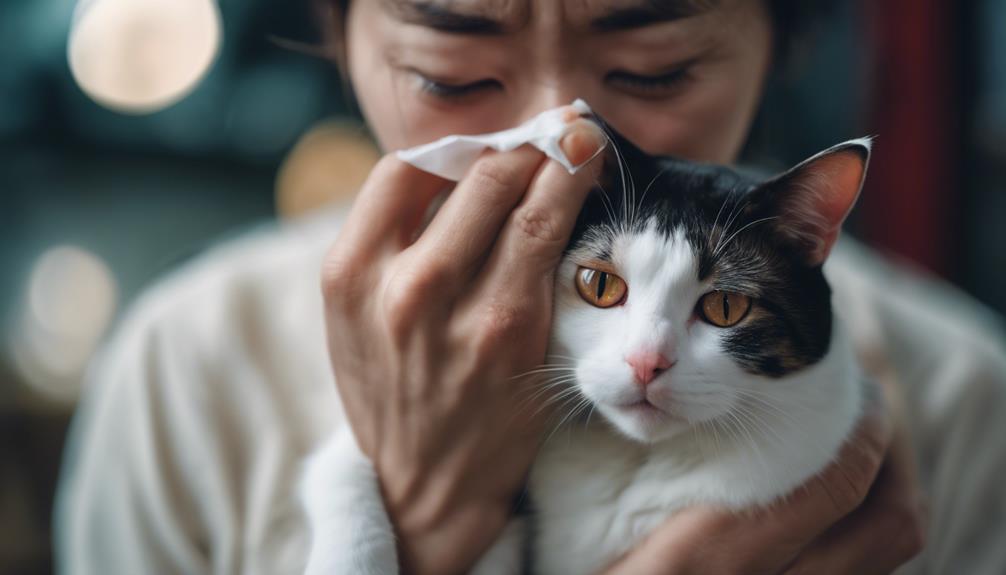
In exploring the relationship between allergies and Japanese Bobtail cats, it is essential to understand the key factors that contribute to allergic reactions in individuals sensitive to cat dander and saliva proteins.
Most allergies to cats stem from the Fel d 1 protein present in cat saliva and skin. Japanese Bobtail cats, known for shedding less due to their low undercoat, may be suitable for individuals with mild allergies. While they are not entirely hypoallergenic, Japanese Bobtail cats could be a viable option for those with less severe allergies.
Shedding seasons for these cats typically occur during the fall and spring. Understanding these aspects can help individuals make informed decisions regarding Japanese Bobtail cats and allergies.
Allergen Testing and Japanese Bobtail Cats
Allergen testing has revealed that Japanese Bobtail cats produce lower levels of the Fel d 1 protein responsible for triggering allergies in people. This reduced production, combined with their single coat layer and minimal shedding, makes Japanese Bobtail cats potentially more tolerable for individuals with mild allergies.
While not completely hypoallergenic, these cats could be a suitable option for those seeking a feline companion without severe allergic reactions.
Allergy-friendly Japanese Bobtails
Through allergen testing and an examination of their coat composition, Japanese Bobtail cats have been found to be more allergy-friendly compared to many other cat breeds. These cats produce lower levels of the Fel d 1 protein, a common allergen in cats, making them a better option for individuals with mild to moderate cat allergies.
The Japanese Bobtail's single coat layer without an undercoat also helps reduce the amount of dander and allergens they shed. While they are not entirely hypoallergenic, their lower allergen levels can make them more tolerable for allergy sufferers.
Regular grooming and cleaning routines can further decrease allergens in the environment, making living with a Japanese Bobtail cat more manageable for those with allergies.
Testing for Allergens
Utilizing allergen testing, researchers have uncovered key insights into the allergenic properties of Japanese Bobtail cats. Despite their reduced shedding, Japanese Bobtail cats are not hypoallergenic. Allergen tests have revealed the presence of the Fel d 1 protein – the primary allergen in cats – in Japanese Bobtails, originating from their saliva and skin.
While individuals with mild allergies may find Japanese Bobtails more manageable than breeds with denser coats, it's crucial to note that these cats still produce allergens. Although not entirely hypoallergenic, Japanese Bobtail cats could be a viable option for those with milder allergies seeking feline companionship.
Allergen testing plays a significant role in understanding the allergenic potential of different cat breeds, aiding individuals in making informed decisions based on their allergy severity.
Cat Breed Hypoallergenic?
When contemplating the hypoallergenic properties of cat breeds, it is essential to examine specific allergen testing results related to Japanese Bobtail cats.
- Japanese Bobtail cats are not deemed hypoallergenic due to their potential to produce allergens.
- Allergies to cats are primarily caused by the protein Fel d 1 in their saliva and skin, which Japanese Bobtail cats have.
- While Japanese Bobtail cats shed less due to their lack of an undercoat, they can still provoke allergic reactions in sensitive individuals.
- Individuals with mild allergies may find Japanese Bobtail cats more tolerable compared to breeds with heavier shedding.
It is crucial to explore other hypoallergenic cat breeds if severe allergies are a concern, despite the Japanese Bobtail's reduced shedding.
Allergy-Friendly Alternatives to Japanese Bobtail Cats
For individuals seeking allergy-friendly alternatives to Japanese Bobtail cats, exploring breeds such as Oriental Shorthair, Cornish Rex, Sphynx, Russian Blue, and Bengal cats can provide hypoallergenic options. These breeds are known for producing fewer allergens, making them suitable for individuals with sensitivities to pets.
Oriental Shorthair cats, with their short coat, shed less and are considered hypoallergenic. Cornish Rex cats have a unique curly coat that minimizes shedding and dander. Sphynx cats, known for their hairlessness, can be a great choice for those with allergies as they produce less dander. Russian Blue cats have a dense, plush coat that produces fewer allergens.
Bengal cats, with their distinct coat patterns, are also considered allergy-friendly alternatives to Japanese Bobtail cats for individuals seeking hypoallergenic pets.
Can Japanese Bobtail Cats Be Harmful to Cats with Allergies?
Japanese Bobtail cats can be harmful to cats with allergies. The presence of hyacinths and cats poison in the environment can trigger allergic reactions in sensitive cats. It is important to be mindful of potential allergens and ensure that the environment is safe for all feline companions.
Creating a Comfortable Environment for Allergy Sufferers and Japanese Bobtail Cats
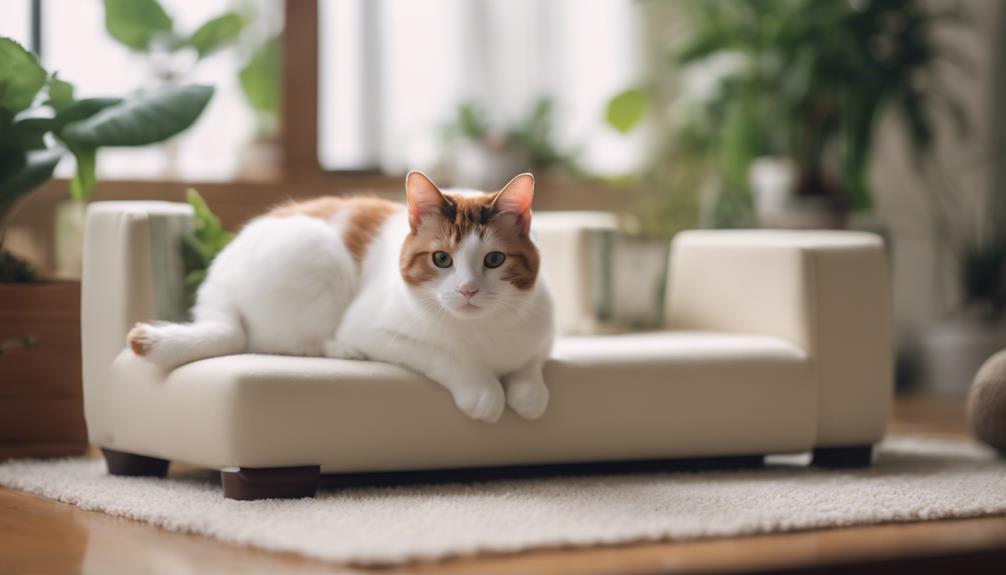
To foster a harmonious environment for both allergy sufferers and Japanese Bobtail cats, meticulous attention to grooming and cleanliness is paramount. Here are four essential tips to create a comfortable setting for everyone involved:
- Regular Grooming: Consistent grooming of your Japanese Bobtail cat can help reduce the amount of allergens present in their fur.
- Allergen-Free Zones: Designate specific areas in your home where your cat is not allowed to help minimize allergen exposure.
- Air Purification: Invest in a good quality air purifier to help filter out allergens from the environment.
- Cleaning Routine: Maintain a strict cleaning schedule to keep your home free from dust, dander, and other allergens that can exacerbate allergies.