Are Maine Coon Cats Hypoallergenic


Maine Coon cats are not hypoallergenic. They contain the Fel d 1 protein in their saliva and dander, triggering allergic reactions. The long fur of Maine Coons can hold and spread allergens, making them unsuitable for individuals with severe cat allergies or respiratory problems. Proper grooming can help reduce allergen transmission. Understanding these allergens is essential for cat owners. To learn more about managing Maine Coon cat allergies effectively, explore further resources on Maine Coon grooming, nutrition, and allergy management tips.
Maine Coon Cat Allergies
Maine Coon Cat Allergies present a significant concern for individuals sensitive to Fel d 1 protein found in the saliva and dander of these majestic felines. Despite their allure, Maine Coon Cats are not hypoallergenic due to the presence of this allergen.
Long-haired Maine Coons, in particular, may pose a higher risk as they can accumulate allergens on their fur through grooming, increasing the spread of allergens in their environment. For individuals with severe reactions, caution is advised when considering Maine Coon cats as pets. Proper grooming and maintenance practices can help reduce the spread of allergens, but it is essential to note that Maine Coons are not recommended for individuals with severe cat allergies or respiratory issues.
Understanding Cat Allergens
Understanding cat allergens is essential for individuals who may experience allergic reactions when exposed to felines. Maine Coon cats, despite their reputation, are not hypoallergenic due to the presence of the Fel d 1 protein in their saliva, urine, and skin.
This protein is a common allergen found in cats, triggering allergic reactions in a significant percentage of cat allergy patients. All cats, including Maine Coons, produce allergens regardless of their breed or coat length.
Maine Coon cats can pose a higher allergenic risk for some individuals due to their thick fur, which can trap and spread allergens. During shedding seasons, individuals with cat allergies may experience intensified symptoms when in contact with Maine Coons, emphasizing the importance of understanding and managing cat allergies.
Managing Maine Coon Allergies
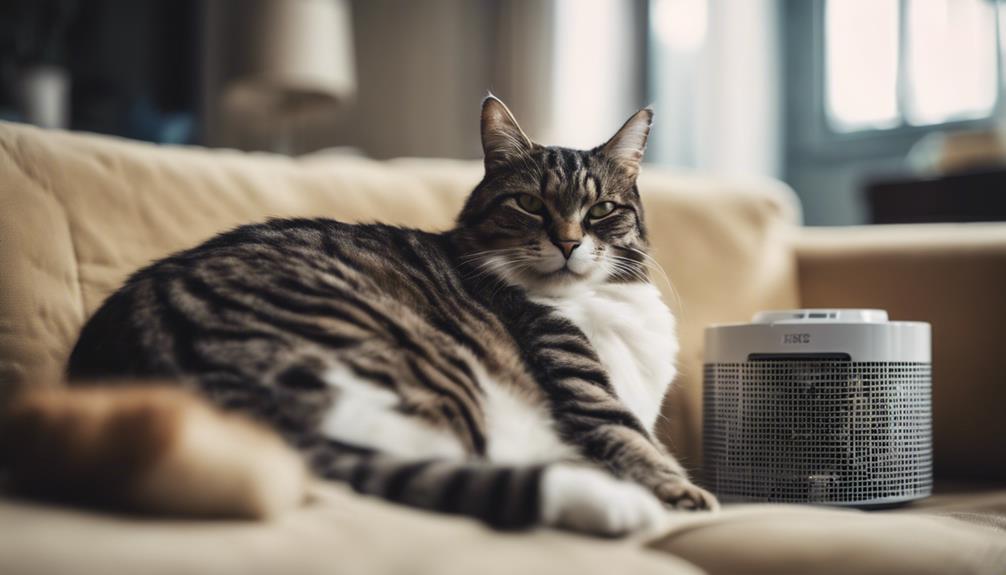
To effectively manage Maine Coon allergies, it is crucial to employ various strategies, such as:
- Allergy testing for cats to identify specific triggers
- Reducing indoor allergens through regular cleaning
- Using medication to alleviate cat allergy symptoms
By implementing these approaches, cat owners can create a more allergy-friendly environment for themselves and their Maine Coon cats, enabling them to coexist more comfortably.
Tailoring these management techniques to suit individual needs and seeking guidance from a healthcare professional for personalized advice on managing Maine Coon allergies effectively are also important steps to consider.
Allergy Testing for Cats
Allergy testing for cats plays an important role in identifying specific allergens that can trigger reactions in individuals. When it comes to managing allergies related to Maine Coon Cats, allergy testing becomes essential. Here's how it helps:
- Determining Specific Triggers: Allergy testing can pinpoint the exact allergens causing reactions, aiding in targeted treatment.
- Tailoring Treatment Plans: Knowing specific allergens allows for personalized management strategies, enhancing effectiveness.
- Different Testing Methods: Skin tests, blood tests, or specialized protein tests can be employed to identify triggers accurately.
- Professional Expertise: Veterinarians or allergists experienced in pet allergies are adept at conducting allergy testing for cats.
Reducing Indoor Allergens
Regular grooming practices play an important role in reducing indoor allergens for Maine Coon cats, aiding in creating a more allergy-friendly environment. By grooming Maine Coons regularly, fur and dander release can be minimized, decreasing allergens in the home.
Additionally, feeding high-quality cat food can help control shedding and reduce allergen exposure, benefiting those with allergies. Implementing environmental precautions, such as regular cleaning and training cats to avoid specific areas, can effectively minimize allergen build-up indoors.
It is also essential to communicate about allergies with household members to manage and minimize allergen exposure risks. Taking these steps can greatly reduce the impact of allergens, creating a more comfortable living environment for both Maine Coon cats and allergy-sensitive individuals.
Medication for Cat Allergies
To effectively address allergy symptoms caused by Maine Coon cats, individuals may consider incorporating non-drowsy antihistamines as part of their management approach. When dealing with cat allergies, it's important to understand the options available for medication.
- Non-drowsy antihistamines can help manage mild allergy symptoms caused by Maine Coon cats.
- Severe allergy symptoms may require avoiding living with Maine Coon cats and keeping adrenaline auto-injectors handy.
- Medication for cat allergies should be discussed with a healthcare provider for proper guidance and dosage recommendations.
- Seeking medical advice is vital for individuals with severe Maine Coon cat allergies to determine the most effective treatment options.
Tips for Allergy Sufferers
For individuals sensitive to allergens, implementing a consistent grooming routine for Maine Coon cats can greatly reduce the presence of allergenic proteins in the environment. Maine Coons, while not hypoallergenic, produce allergens like Fel d 1 that can trigger allergic reactions in susceptible individuals.
Due to their thick fur that sheds frequently, these cats can spread allergens such as dander, exacerbating symptoms for allergy sufferers. Proper grooming practices, including regular brushing to remove loose fur and dander, can help minimize allergen levels in the cat's environment. Additionally, keeping living areas clean and well-ventilated can further reduce allergen exposure.
While mild allergy symptoms may be manageable with these precautions, individuals with severe asthma or respiratory issues should exercise caution when considering Maine Coon cats as pets.
Minimizing Cat Allergies
Minimizing cat allergies requires proactive management strategies to reduce allergen exposure and maintain a healthy environment for both the cat and its owners. To achieve this, consider the following:
- Regular Grooming: Brushing your Maine Coon regularly can help reduce the spread of allergens by removing loose fur and dander.
- High-Quality Diet: Providing your cat with high-quality food can help control shedding and minimize allergen exposure within the home.
- Environmental Precautions: Implement consistent cleaning routines and take environmental precautions to reduce allergen build-up in your living space.
- Effective Communication: Communicate with others about your allergies, and consider training your cat to avoid certain areas to further minimize allergen exposure risks.
Maine Coon Grooming Tips
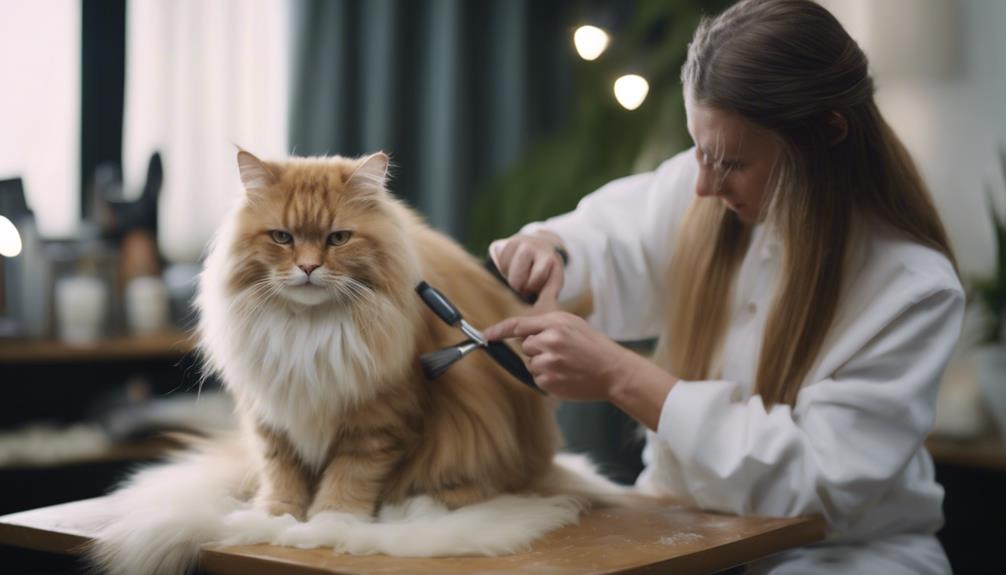
Regular grooming practices play an important role in maintaining the coat health and minimizing allergen exposure for Maine Coon cats. To effectively manage shedding and dander, weekly baths using a gentle shampoo are recommended. Non-allergic individuals can participate in grooming to reduce allergen spread. Deshedding tools can be used to control fur and dander, ultimately decreasing allergy triggers. Additionally, wiping the cat's coat with a damp cloth helps in controlling the spread of allergens. Below is a table summarizing grooming tips for Maine Coon cats:
| Maine Coon Grooming Tips |
|---|
| Weekly baths with gentle shampoo |
| Deshedding tools for fur and dander management |
| Wiping with a damp cloth for allergen control |
| Non-allergic individuals to groom |
| Regular grooming to reduce allergy triggers |
Nutrition for Allergy Management
Maintaining a balanced and high-quality diet is essential for effectively managing allergies in Maine Coon cats. When considering nutrition for allergy management in Maine Coon Cats, here are some key points to keep in mind:
- Quality nutrition can help control shedding and reduce allergen exposure.
- A balanced diet with suitable proteins can strengthen fur roots and decrease shedding, benefiting allergy management.
- Healthy fats like omega-3 can improve coat health in Maine Coons, reducing allergen production.
- Essential vitamins and minerals support skin health in Maine Coons, potentially reducing shedding and allergens.
Living With Cat Allergies
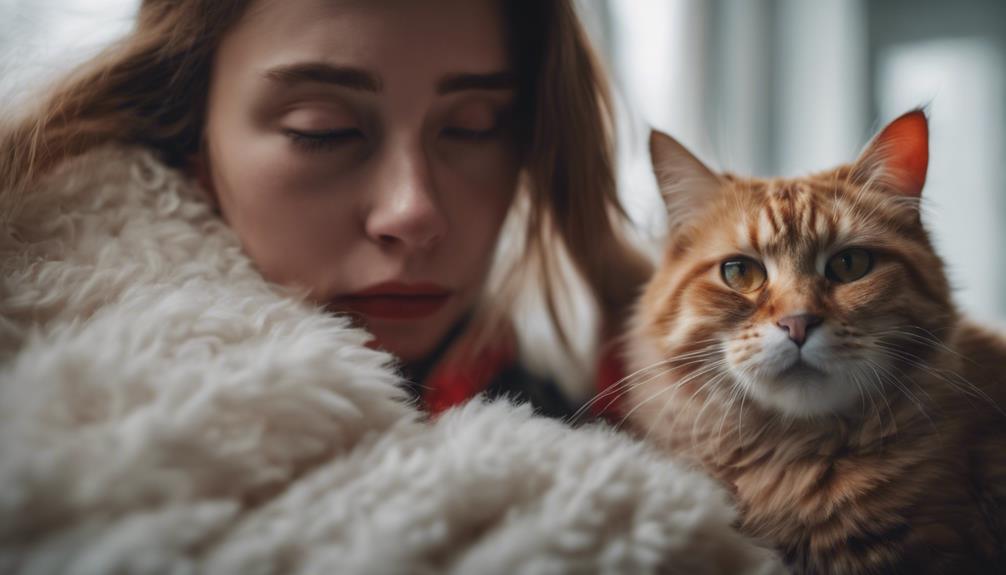
Living with cat allergies can be challenging, especially when owning a Maine Coon cat. Allergy management tips, cat-friendly home modifications, and potential allergy treatments are essential aspects that individuals facing allergic reactions need to take into account.
Understanding these points can help individuals navigate living with Maine Coon cats while effectively managing their allergies.
Allergy Management Tips
Effective management of cat allergies involves implementing proper grooming practices and minimizing direct contact with the cat. To reduce allergic reactions when living with a Maine Coon or any cat breed, consider the following tips:
- Regular Grooming: Brush your cat frequently to minimize shedding and dander in the environment.
- Cleaning Routine: Maintain a clean living space by vacuuming and dusting regularly to reduce allergens.
- Limit Contact: Avoid letting the cat into sleeping areas and wash your hands after handling the cat.
- Medical Assistance: Consult a healthcare professional for appropriate allergy medication and seek help for severe reactions like asthma promptly.
Cat-Friendly Home Modifications
Implementing cat-friendly home modifications can greatly enhance the living environment for individuals with cat allergies. To reduce exposure to cat allergens, use allergen-proof covers on pillows and mattresses.
Installing HEPA air purifiers can help filter out airborne allergens, while vacuuming with a HEPA filter regularly can remove cat dander from carpets and upholstery.
Washing your cat's bedding frequently in hot water can also help eliminate allergens. Additionally, consider using hypoallergenic cleaning products to reduce overall allergen levels in your home.
These modifications can create a more comfortable and allergen-controlled space for individuals with cat allergies, allowing them to better coexist with their beloved Maine Coon Cats.
Potential Allergy Treatments
To manage cat allergies effectively, individuals can explore non-drowsy antihistamines or other allergy medications as potential treatments. When living with a Maine Coon cat, implementing regular grooming routines and cleaning habits can greatly reduce allergic reactions. Seeking guidance from a healthcare professional is important for determining the most suitable allergy management strategies.
For those with severe allergies, considering alternative living arrangements to minimize exposure to allergens may be necessary. Prioritizing proper maintenance, grooming, and cleaning practices is key to creating a more manageable environment for individuals sensitive to cat allergens. Remember, a proactive approach to allergy management can help individuals enjoy the companionship of their Maine Coon cats while minimizing discomfort.
Are Maine Coon Cats More Hypoallergenic Than Lykoi Cats?
Maine Coon cats are often considered more hypoallergenic than Lykoi cats. While no cat breed is completely hypoallergenic, Maine Coons produce fewer allergens due to their thick, water-resistant fur and minimal shedding. On the other hand, Lykoi cats may trigger more allergies due to their sparse and wiry coat.
Are Maine Coons Allergenic?

Maine Coon cats present a significant challenge for individuals sensitive to allergens due to the presence of the protein Fel d 1 in their saliva and dander, rendering them allergenic rather than hypoallergenic. This allergen can be transferred to their fur through grooming, making Maine Coons potentially problematic for those with cat allergies.
The long fur of Maine Coons may exacerbate the issue, as allergens can easily cling to their coats. For allergy sufferers, owning a Maine Coon may not be advisable without proper management and care. It is essential to contemplate the allergenic nature of Maine Coons before bringing them into a household with individuals sensitive to cat allergens.
Proper precautions and regular grooming can help mitigate the allergenic impact of these magnificent felines.