Are Savannah Cats Legal In Georgia


Savannah cats are illegal in Georgia, with F4 and all generations up to F1 banned. Non-compliance results in fines, imprisonment, and possible confiscation. Understanding local regulations is essential due to their hybrid nature. If you're curious about more information on Savannah cats' legal status and characteristics, further insights await.
Legal Status of Savannah Cats in Georgia
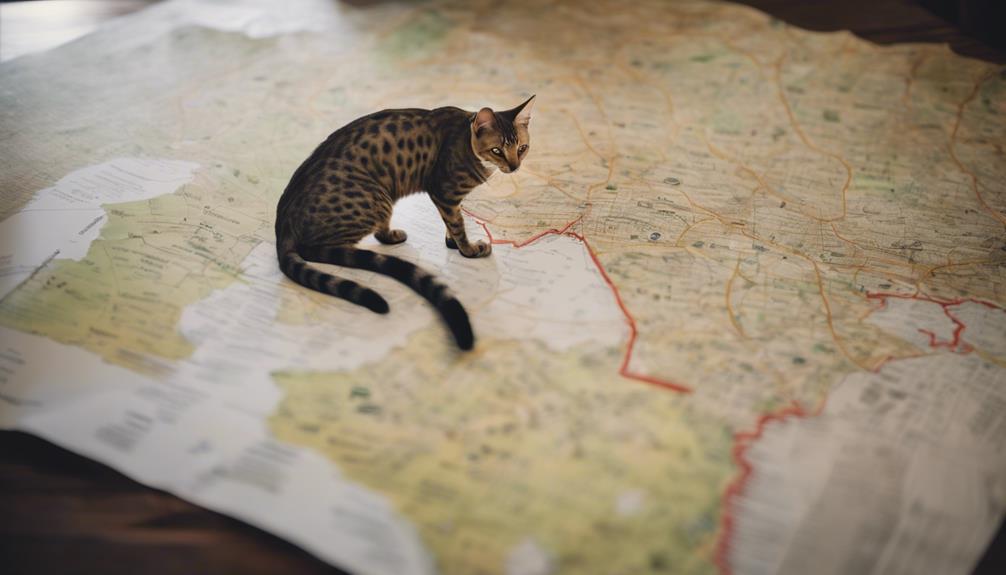
Despite their popularity as pets, the legal status of Savannah cats in Georgia remains restricted due to their exotic nature. Specifically, F4 Savannah cats are prohibited in the state, along with all other generations, including F1 through F5. Owning a Savannah cat in Georgia can result in severe consequences, such as fines and even imprisonment.
The state categorizes these cats as illegal exotic pets, making it important for potential owners to be aware of the laws surrounding their ownership. It is essential to note that regulations concerning Savannah cats can differ across states, with Georgia taking a firm stance against their possession. Therefore, individuals residing in Georgia should thoroughly research and understand the legal implications before considering owning a Savannah cat.
Local Regulations for Savannah Cat Ownership
Local regulations in Georgia strictly prohibit the ownership of Savannah cats, encompassing all generations from F1 to F5 due to their classification as illegal exotic pets.
- Violating these regulations can lead to fines.
- Imprisonment may be a consequence of owning a Savannah cat in Georgia.
- Confiscation of the cat is a possible outcome if found in possession of one.
Understanding and adhering to local regulations is crucial to avoid legal issues related to Savannah cat ownership in Georgia.
The state laws in place specifically target exotic pets like Savannah cats due to their hybrid nature and serval lineage. Being aware of these regulations can help individuals make informed decisions regarding pet ownership in Georgia.
Unique Traits of Savannah Cats
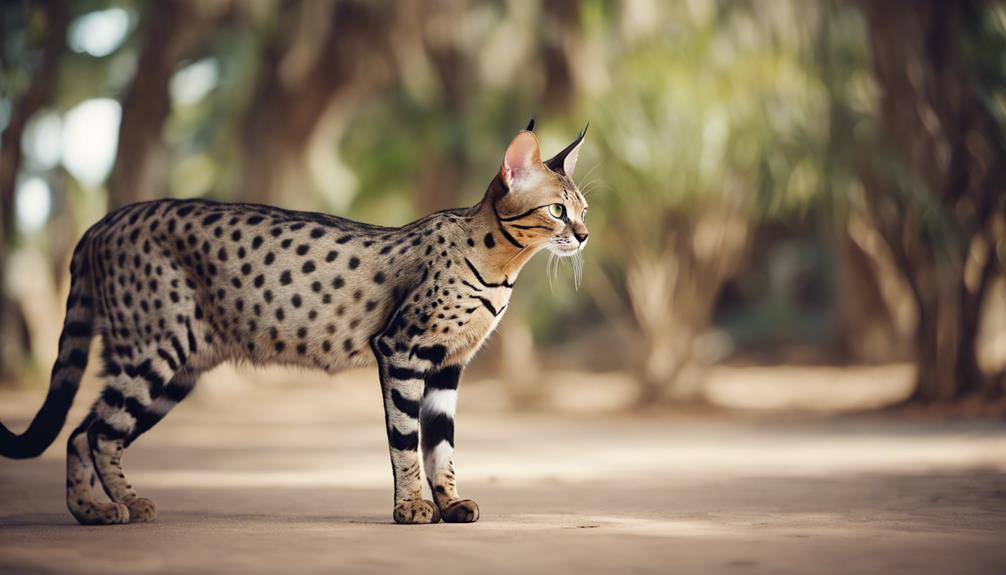
Savannah cats exhibit distinctive traits that set them apart from other feline breeds, making them a fascinating choice for experienced cat owners. Known for their large size, some reaching up to 30 pounds, they bear a resemblance to a miniaturized version of a Big Cat. These cats come in various colors, including smoke, silver, snow, and black, adding to their unique appearance.
Their high level of intelligence sets them apart, as they prefer consistency in their environment. Particularly, F1 Savannah cats, being a first-generation hybrid with direct serval lineage, are typically the largest. However, it's crucial to bear in mind that male Savannah kittens from F1 to F4 generations are often born sterile, a factor to take into account for those interested in breeding Savannah cats.
Breeding and Sterility of Male Savannah Cats
Male Savannah cats from F1 to F4 generations often face sterility issues due to genetic factors inherited from the serval lineage. This characteristic poses challenges for breeders in maintaining controlled breeding programs and preventing unintended reproduction.
Understanding these male fertility concerns is essential for responsible ownership decisions and ensuring the well-being of Savannah cat populations.
Male Fertility Concerns
Concerns surrounding the fertility of male Savannah cats, particularly in regards to breeding and sterility, are prevalent among breeders and owners due to the common occurrence of sterility in male Savannah kittens from F1 to F4 generations.
Male Savannah kittens from F1 to F4 generations are often born sterile due to hybrid breeding.
Breeders and owners commonly worry about the sterility of male Savannah cats.
Careful selection and testing are necessary when breeding male Savannah cats for fertility.
Breeding Challenges Faced
Challenges associated with breeding male Savannah cats, particularly concerning their fertility and sterility, present significant hurdles for breeders and necessitate specialized breeding techniques. Male Savannah kittens from F1 to F4 generations are often sterile due to their hybrid nature, a genetic trait resulting from the hybridization of servals and domestic cats. Breeders facing these breeding challenges may need to resort to advanced methods like artificial insemination to overcome the sterility issues.
Working closely with veterinarians and specialists becomes essential in tackling these obstacles. Understanding the complexities of male Savannah cat fertility is paramount for successful breeding programs, requiring a combination of expertise and innovative approaches to guarantee the continuation of this unique breed.
Sterility Issues in Males
Understanding the complexities surrounding sterility in male Savannah cats is essential for breeders seeking to navigate the challenges of maintaining successful breeding programs.
- Male Savannah kittens from F1 to F4 generations are often born sterile due to hybridization.
- The sterility issue in male Savannah cats is a result of genetic factors from the serval lineage.
- Breeders of Savannah cats must consider the potential sterility of male kittens for breeding purposes.
History of the Savannah Cat Breed
The evolution of the Savannah cat breed can be traced back to a unique pairing between a serval and a Siamese cat in 1986. This crossbreeding led to the creation of the first Savannah cat kitten, named 'Savannah' by breeders Patrick Kelly and Joyce Sroufe.
Savannah cats are renowned for their exotic appearance, large size, intelligence, and playful demeanor. The breed standard for Savannah cats includes distinctive features such as long legs, large ears, and beautifully spotted coats, reflecting their wild heritage.
The intentional breeding of a serval with a domestic cat aimed to capture the elegance and grace of a wild cat while maintaining the temperament of a domestic feline. This breeding experiment resulted in the establishment of the unique and captivating Savannah cat breed we are familiar with today.
Are Savannah Cats Legal to Own in Georgia as well as in the United States overall?
In Georgia and the rest of the United States, the savannah cats legal status varies. In Georgia, it is legal to own a savannah cat, but other states may have restrictions. It’s important to check local laws and regulations before getting one as a pet.
Cost and Care of Savannah Cats
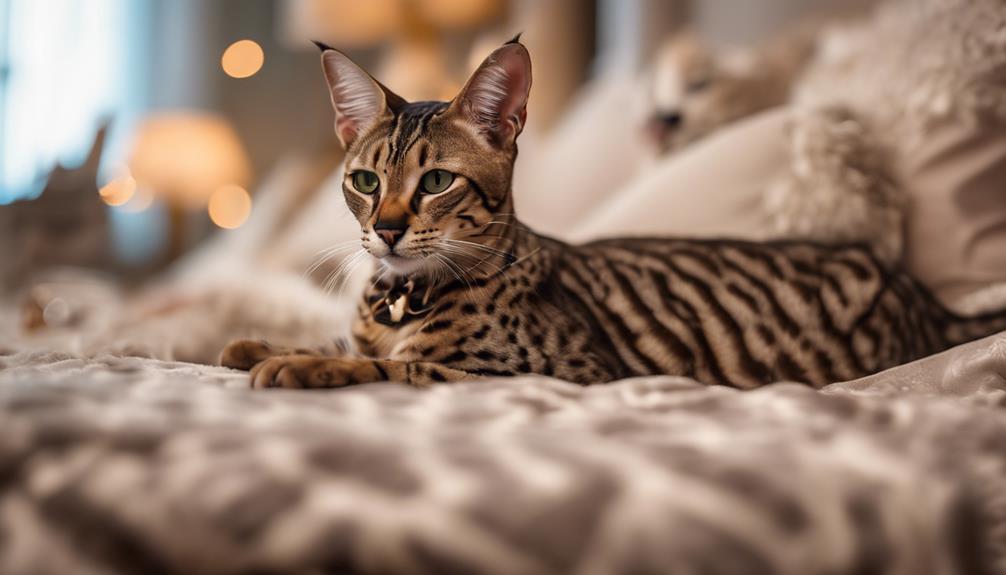
Savannah cats come with a hefty price tag due to their rarity and unique traits, making them one of the most expensive cat breeds to own. Proper care for these felines involves providing sufficient space for their playful demeanor and high energy levels, along with a balanced diet to manage their weight, which can reach up to 30 pounds.
Additionally, grooming needs, litter box training, and consistency in their environment are crucial aspects to take into account when welcoming a Savannah cat into your home.
Cost Considerations
Investing in a Savannah cat entails financial considerations beyond the initial purchase price, encompassing ongoing care expenses and specialized requirements. When budgeting for a Savannah cat, consider the following:
- Cost Range: Savannah cats can cost anywhere from $1,500 to $20,000, with F1 generation cats being the most expensive.
- Additional Expenses: Budget for high-quality food, regular veterinary check-ups, and enrichment toys to meet the cat's needs.
- Variability Factors: The cost of owning a Savannah cat can vary based on factors like generation, breeder reputation, and geographical location.
Proper financial planning is essential to make sure that you can provide the necessary care for your Savannah cat and meet any unexpected expenses that may arise.
Proper Nutrition
When considering the best care and maintenance of Savannah cats, one essential aspect to prioritize is ensuring their nutritional needs are met effectively. Proper nutrition for Savannah cats is vital for their overall health and well-being.
The cost of providing high-quality cat food and supplements for a Savannah cat can range from $40 to $60 per month, depending on the brand and type of diet chosen. A balanced diet rich in protein, including raw or cooked meat, is essential for Savannah cats.
Consulting with a veterinarian to tailor the diet to the cat's specific needs based on age, activity level, and health status is recommended for the best cat ownership. High-quality cat food brands like Orijen, Taste of the Wild, and Wellness CORE are suitable choices for Savannah cats.
Grooming Needs
Considering the holistic care regimen for Savannah cats, attention to their grooming needs plays a significant role in maintaining their well-being and overall health.
- Savannah cats have relatively low maintenance grooming needs due to their short coat, requiring minimal brushing.
- Regular nail trims are essential to prevent overgrowth and potential scratching issues.
- Bathing Savannah cats is generally not necessary unless they get into something dirty, as they are fastidious self-groomers.