Are Savannah Cats Legal In Maryland


Savannah cats are legal in Maryland if they weigh under 30 pounds, adhering to state regulations. Ownership is based on weight and generation distinctions, emphasizing compliance. Maryland laws aim to protect wildlife and public safety by regulating exotic pet ownership. Violating these laws can lead to legal consequences, highlighting the importance of understanding and adhering to regulations. Prospective owners must be aware of weight restrictions to enjoy legal ownership of Savannah cats. Further insights into Maryland's exotic animal laws can provide a thorough understanding of the legal framework surrounding exotic pet ownership.
Maryland Laws on Savannah Cat Ownership

Maryland's regulations governing the ownership of Savannah cats primarily revolve around weight restrictions, with a strict limit of 30 pounds. To legally own a Savannah cat in Maryland, it is important to make sure that the feline does not exceed this weight limit.
Specific laws in Maryland are in place to regulate the ownership of Savannah cats based on their weight, making adherence to these regulations essential for legality. Understanding these laws is paramount for individuals seeking to own a Savannah cat in Maryland.
Legal Restrictions on Savannah Cats
Legal limitations on ownership of Savannah cats in the state of Maryland are primarily based on weight restrictions. Maryland allows ownership of all generations of Savannah cats as long as they weigh under 30 pounds. Specific regulations have been put in place to govern Savannah cat ownership in Maryland, with a focus on both weight and generation distinctions.
To legally own a Savannah cat in Maryland, individuals must make sure that their feline companions comply with the state's laws. This adherence to Maryland's statutes is essential for maintaining the legal status of Savannah cat ownership within the state. By following these regulations, individuals can enjoy the companionship of Savannah cats while also upholding the laws set forth by Maryland.
Exotic Pet Regulations in Maryland
In Maryland, compliance with strict regulations on exotic pet ownership is vital to protect native wildlife and promote public safety. Maryland prohibits ownership of certain exotic pets like Savannah cats to prevent potential harm to the environment and guarantee the well-being of both animals and residents.
These regulations are in place to maintain ecological balance and prevent the introduction of invasive species that could disrupt the local ecosystem. Understanding and adhering to Maryland's exotic pet laws is essential, as violation of these regulations can result in legal consequences.
It is advisable to consult local authorities for specific details on permissible exotic species in Maryland to guarantee compliance with the state's laws and regulations regarding exotic pet ownership.
Prohibited Pets in Maryland
Prohibiting the ownership of certain exotic pets in Maryland serves to safeguard the state's ecosystem and guarantee public safety. Among the prohibited pets in Maryland are Savannah cats, which are not legal to keep as pets. The state also restricts ownership of raccoon dogs, mink, coyotes, servals, Asian leopard cats, Bengal cats, skunks, opossums, bats, Arctic foxes, red foxes, fennec foxes, and gray foxes.
These laws are in place to protect both the animals and the public from potential dangers associated with exotic pet ownership. By enforcing these regulations, Maryland aims to maintain ecological balance and prevent risks to human safety. It is essential for residents to adhere to these laws to safeguard the well-being of both the environment and the community.
Understanding Marylands Exotic Animal Laws
Maryland's regulations on exotic animal ownership cover a diverse range of species to guarantee ecological balance and public safety. When it comes to understanding Maryland's exotic animal laws, there are specific guidelines in place:
- Maryland allows ownership of Savannah cats if they are under 30 pounds.
- Specific laws and regulations govern the possession of exotic animals in Maryland.
- Violation of Maryland's exotic animal laws can result in legal consequences.
- Adherence to local ordinances is essential before acquiring any exotic pets in Maryland.
- Understanding and following Maryland's regulations prevent legal troubles related to owning exotic animals.
Possessing Savannah Cats in Maryland
Possession of Savannah cats in Maryland is governed by specific weight restrictions to guarantee compliance with state regulations. Maryland allows the ownership of Savannah cats as long as they weigh under 30 pounds.
This weight limit applies to Savannah cats of all generations, emphasizing the significance of adhering to this regulation for legal ownership.
The state's laws regarding Savannah cats focus on ensuring that owners abide by these weight restrictions to prevent any issues related to ownership. By imposing these limitations, Maryland aims to maintain control over the ownership of Savannah cats within the state.
It is essential for prospective owners to be aware of and adhere to these weight restrictions to legally possess Savannah cats in Maryland.
Compliance With Maryland Exotic Pet Laws
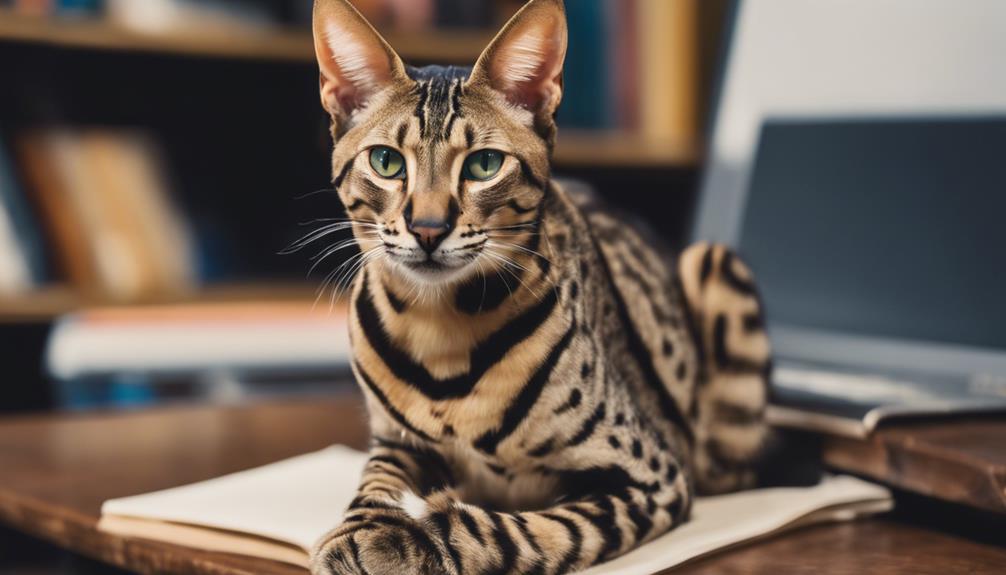
To guarantee legal ownership and safeguard public safety, adherence to Maryland's exotic pet laws is essential when contemplating the acquisition of hybrid animals. Understanding and abiding by Maryland's regulations can help avoid legal issues and ensure responsible ownership of Savannah cats. Key points to ponder include:
- Maryland allows Savannah cats of all generations if they are under 30 pounds.
- The state regulates exotic pet ownership to safeguard native wildlife and ensure public safety.
- Violation of Maryland's exotic pet laws can result in legal consequences.
- Compliance with local ordinances is vital before acquiring any hybrid animals in Maryland.
- Responsible ownership practices are crucial to prevent harm and legal issues when owning Savannah cats in Maryland.
Risks of Owning Savannah Cats in Maryland
When considering ownership of Savannah cats in Maryland, it is important to be aware of the potential risks involved in caring for these hybrid animals. Compliance with Maryland's laws regarding hybrid pets, such as the weight limit of 30 pounds, is essential to avoid legal consequences. Violating these regulations can lead to fines or other legal issues. Additionally, in Baltimore City, all hybrids are deemed illegal within city limits, further underscoring the importance of understanding and following local ordinances. By being informed about the specific regulations and responsibilities associated with owning Savannah cats in Maryland, individuals can prevent legal troubles and promote the well-being of both the animals and the community.
| Potential Risks of Owning Savannah Cats in Maryland |
|---|
| Violation of weight limit regulation |
| Legal consequences for non-compliance |
| Illegality of hybrids in Baltimore City |
| Importance of understanding and following regulations |
>Are Savannah Cats Legal in Multiple States in the United States?
Yes, Savannah cats are legal in Massachusetts. Other states where Savannah cats are legal include Hawaii, Idaho, Iowa, Wyoming, Texas, Delaware, Indiana, Arizona, New Jersey, and Rhode Island. However, it’s important to check the specific laws and regulations in each state before owning a Savannah cat.
Public Safety Concerns With Exotic Pets
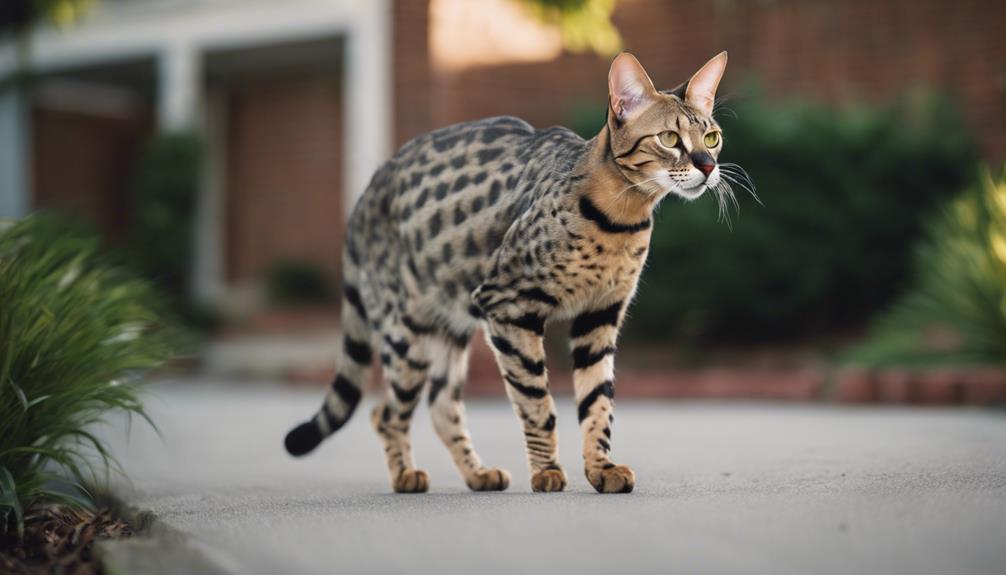
Exotic pets present significant public safety concerns in Maryland due to their potential risks to both residents and native wildlife.
- Exotic pets can introduce diseases that may harm local wildlife populations.
- Escaped exotic animals can disrupt the ecosystem and threaten native species.
- Some exotic pets have unpredictable behavior, posing a danger to owners and the public.
- Inappropriate care and handling of exotic pets can lead to injuries or attacks.
- Irresponsible ownership of exotic pets may result in the animals becoming invasive species, impacting the environment negatively.