Are Savannah Cats Legal In Massachusetts


Savannah cats are not legal for private ownership in Massachusetts. Only licensed exhibitors, researchers, or educators are allowed to have them with specific permits. Violating these laws could lead to fines, cat seizure, and legal repercussions. Bringing a Savannah cat from another state into Massachusetts is also prohibited. The regulations aim to guarantee the well-being of the cats and prevent risks associated with unlicensed ownership. Understanding the restrictions and requirements is vital.
Legal Status of Savannah Cats in Massachusetts
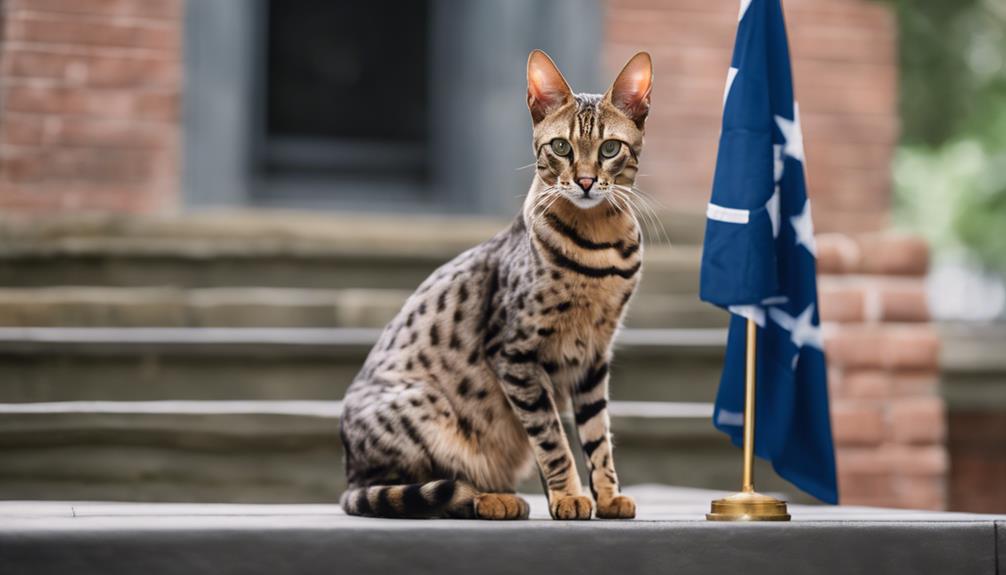
Unfortunately, ownership of Savannah cats in Massachusetts is strictly prohibited except for licensed exhibitors, researchers, or educators. The state considers Savannah cats to be exotic pets, requiring specific permits that are not available for private ownership. Violating these laws can result in fines, seizure of the cat, and potential legal consequences.
Bringing a Savannah cat from another state into Massachusetts is also forbidden under current regulations. Efforts to change these restrictions regarding Savannah cats in Massachusetts are not currently known. It is essential for residents of Massachusetts to understand and adhere to these laws to avoid any penalties or legal issues associated with owning a Savannah cat in the state.
Ownership Restrictions in Massachusetts
Ownership of Savannah cats in Massachusetts is strictly regulated, limiting ownership to licensed exhibitors, researchers, or educators. Without special permits or exemptions, private ownership of these cats is not permitted in the state.
Violating these ownership restrictions can lead to fines, cat seizure, and potential legal consequences.
Ownership Laws Overview
In Massachusetts, the ownership of Savannah cats is strictly regulated, permitting only licensed exhibitors, researchers, or educators to possess these exotic felines. When it comes to ownership laws regarding Savannah cats in Massachusetts, it is important to understand the following:
- Limited Ownership: Private individuals are prohibited from owning Savannah cats in Massachusetts.
- Restricted Permits: Special permits or exemptions for private ownership of Savannah cats are not available in the state.
- Consequences: Owning a Savannah cat in Massachusetts without the proper authorization can result in fines, cat seizure, and potential legal repercussions.
These regulations aim to safeguard the welfare of these unique animals and prevent potential risks associated with their ownership by unlicensed individuals.
Required Permits and Licenses
Acquiring the necessary permits and licenses is imperative for individuals in Massachusetts seeking to legally possess Savannah cats. In Massachusetts, private ownership of Savannah cats is prohibited without a license for exhibition, research, or education purposes. Special permits or exemptions for personal ownership of these felines are not available. Additionally, bringing a Savannah cat from another state into Massachusetts is also not allowed. Efforts to amend the laws concerning Savannah cats in Massachusetts are not currently evident. The consequences of owning a Savannah cat in Massachusetts without the required legal permissions include fines, potential cat seizure, and other legal repercussions. Below is a table summarizing the key points regarding the required permits and licenses for owning a Savannah cat in Massachusetts.
| Legal Aspect | Details |
|---|---|
| Ownership Restrictions | Prohibited without specific license for exhibition, research, or education |
| Special Permits | Not available for private ownership |
| Out-of-State Ownership | Bringing Savannah cats from other states is prohibited |
| Legislative Efforts | No known efforts to change laws regarding Savannah cats in Massachusetts |
| Consequences | Fines, potential cat seizure, legal repercussions |
Penalties for Violations
Amidst the stringent regulations in Massachusetts regarding the ownership of Savannah cats, individuals who violate these ownership restrictions may face significant penalties.
Penalties for Violations:
- Fines: Owners caught with Savannah cats in Massachusetts may be subject to fines as a consequence of violating the state's ownership restrictions.
- Cat Seizure: Authorities in Massachusetts have the right to seize Savannah cats found in private ownership within the state.
- Legal Consequences: Owners who disregard the prohibition on owning Savannah cats in Massachusetts may face further legal repercussions, highlighting the seriousness of breaching ownership restrictions in the state.
Generational Regulations for Savannah Cats
Massachusetts enforces regulations promoting ownership of F4 Savannah Cats, which are four generations removed from their wild ancestors, containing an estimated 10-20% wild blood. These regulations aim to foster domestication by limiting ownership to F4 and later generations, preventing the possession of early generations with higher wild traits.
Generational Requirements for Savannahs
Understanding the stipulated generational requirements is crucial for prospective owners of Savannah Cats in Massachusetts to guarantee compliance with state regulations.
To own a Savannah Cat in the state, individuals must adhere to specific guidelines regarding the cat's generation:
- F4 Savannah Cats and later generations: Massachusetts permits ownership of F4 Savannah Cats and beyond to ensure domestication and deter the possession of exotic or wild pets.
- Prevention of ownership of earlier generations: Earlier generations of Savannah Cats may not be legal for ownership in Massachusetts, aiming to maintain control over hybrid wild cats like Savannah Cats.
- Regulatory measures: The state's regulations are designed to oversee the ownership of hybrid wild cats, such as Savannah Cats, promoting responsible ownership practices and protecting both the animals and the community.
Breeding Restrictions for Savannahs
To adhere to Massachusetts regulations on Savannah Cats, it is crucial to comprehend the breeding restrictions imposed, particularly concerning generational requirements. Massachusetts only permits ownership of F4 Savannah Cats and later generations to guarantee domestication and prevent the ownership of exotic or wild pets.
F4 Savannah Cats are estimated to have 10-20% wild blood, highlighting the state's commitment to regulating and controlling the ownership and breeding of these hybrid felines. By restricting breeding to later generations, Massachusetts aims to strike a balance between allowing individuals to enjoy the unique characteristics of Savannah Cats while safeguarding against potential risks associated with owning wild or partially wild animals.
These regulations serve to protect both the welfare of the cats and the safety of the community.
Local Municipality Restrictions in MA
Local ordinances within various municipalities in Massachusetts may impose restrictions on the ownership of Savannah cats. When considering bringing a Savannah cat into your home in Massachusetts, it's important to be aware of the following:
- Varied Regulations: Different cities or towns within Massachusetts may have different rules regarding the ownership of Savannah cats.
- Research Required: It is essential to conduct thorough research and reach out to local authorities to determine if there are any bans or restrictions on owning a Savannah cat in your specific area.
- Compliance is Key: To guarantee legality and avoid potential issues, understanding and adhering to local municipality restrictions on owning Savannah cats in Massachusetts is crucial.
Obtaining Legal Permission for Savannah Cats
Acquiring legal authorization for the ownership of Savannah cats in Massachusetts is restricted to licensed exhibitors, researchers, or educators. Private ownership of Savannah cats is not permitted in the state, and there are no special permits or exemptions available for individuals. Violating these ownership restrictions can lead to consequences such as fines, cat seizure, and potential legal repercussions.
It is important to note that bringing a Savannah cat from another state into Massachusetts is also prohibited under current laws. Efforts to change the legal status of Savannah cats in Massachusetts are not currently known. Hence, individuals in Massachusetts must adhere to the existing regulations regarding the ownership of Savannah cats to avoid legal issues.
Compliance With Massachusetts Pet Laws
In Massachusetts, strict adherence to state pet laws regarding Savannah cats is imperative to avoid legal ramifications. Understanding the regulations surrounding Savannah cat ownership in Massachusetts is essential to guarantee compliance.
Here are three key points to keep in mind:
- Prohibition on Ownership: Ownership of Savannah cats in Massachusetts is limited to licensed exhibitors, researchers, or educators. Private ownership without meeting these criteria is not allowed.
- Lack of Permits: Special permits or exemptions for private ownership of Savannah cats are not available in Massachusetts. This means that individuals must abide by the existing regulations without exceptions.
- Consequences: Consequences of owning a Savannah cat in Massachusetts without meeting the legal requirements can include fines, cat seizure, and potential legal repercussions. It is vital to be aware of and adhere to these laws to avoid such outcomes.
Legal Considerations for Savannah Cat Owners
Legal obligations for individuals owning Savannah cats in Massachusetts are strictly defined, with private ownership restricted to licensed exhibitors, researchers, or educators only. The regulations regarding Savannah cats in Massachusetts are clear – without the necessary permits or exemptions, private ownership is prohibited.
It is vital for prospective owners to grasp the limitations set by the state to avoid legal consequences, including fines, cat seizure, and other penalties. Bringing a Savannah cat into Massachusetts from another state is also not permitted under the current laws.
Efforts to change these regulations regarding Savannah cat ownership in Massachusetts are not currently known. Hence, it is essential for individuals to adhere to the existing laws to guarantee compliance and avoid any potential legal issues.
Licensing Requirements in Massachusetts

Considering the stringent regulations surrounding ownership of Savannah cats in Massachusetts, adherence to the licensing requirements is imperative for individuals seeking to legally possess these exotic felines. To navigate the licensing process effectively, individuals must:
- Ensure Proper Licensing: Obtain the necessary licenses as an exhibitor, researcher, or educator to legally own a Savannah cat in Massachusetts.
- Understand Restrictions: Recognize that special permits or exemptions for private ownership of Savannah cats are unavailable in the state.
- Comply with Import Regulations: Refrain from bringing a Savannah cat into Massachusetts from another state without the required licensing to avoid potential consequences such as fines, cat seizure, and legal repercussions.
Are Savannah Cats Legal in Other States Besides Georgia and Massachusetts?
Yes, savannah cats are legal in other states besides Georgia and Massachusetts. However, it’s important to check the specific laws in each state regarding ownership of savannah cats. The regulations may vary depending on the state, so it’s crucial to do thorough research before bringing one home.
Resources for Understanding MA Pet Laws
For a thorough understanding of Massachusetts pet laws, individuals can access valuable resources provided by the Massachusetts Department of Fish and Game. The Massachusetts Department of Fish and Game offers detailed legal information on pet ownership laws, including exotic pet regulations that apply to breeds like Savannah Cats.
When maneuvering the complexities of owning exotic pets in Massachusetts, seeking guidance from experienced animal law attorneys can provide clarity on the specific requirements and regulations. It is vital to comply with Massachusetts state laws when it comes to owning and breeding Savannah Cats to avoid any disputes or legal issues.
Legal contracts outline the precise conditions for owning and breeding these unique felines within the state, emphasizing the importance of staying informed and compliant with Massachusetts pet laws.