Are Siberian Cats Hypoallergenic


While not entirely hypoallergenic, Siberian cats have lower levels of the allergen protein Fel d 1, making them a better choice for some allergy sufferers. Factors like genetic mutations and grooming routines contribute to their reduced allergen levels. Despite this, Siberian cats still produce some allergens, mainly from enzymes in their saliva. Regular grooming, maintaining a clean environment, and consulting healthcare providers can help manage allergies. Understanding the realities of Siberian cat allergies involves accepting that they are not allergen-free but can be suitable for individuals with milder allergies. Further insights into managing allergies with Siberian cats can provide valuable assistance.
Understanding Siberian Cat Allergens
Siberian cat allergens can be better comprehended through an examination of their lower levels of the allergen protein Fel d 1. These hypoallergenic cats have reduced allergen levels in their skin, saliva, and sebaceous glands, making them a potential option for individuals with allergies.
The mutated genes in Siberian cats play an important role in their hypoallergenic nature by decreasing allergen production, particularly of Fel d 1. While not all Siberian cats are completely hypoallergenic, many exhibit lower allergen levels compared to other breeds.
Allergies triggered by Siberian cats may stem from enzymes in their saliva rather than their fur, causing varying reactions in individuals. Understanding the mechanisms behind these lower Fel d 1 levels can aid in managing allergies related to Siberian cats.
Factors Influencing Allergenicity in Siberian Cats
Factors influencing the allergenicity of Siberian cats include genetic variability in allergen production and the level of environmental allergen exposure.
Genetic mutations in these cats can lead to lower levels of the Fel d 1 allergen, making them more suitable for individuals with allergies.
Understanding these factors is vital for determining the hypoallergenic potential of Siberian cats and managing allergic reactions effectively.
Genetic Allergen Variability
Genetic factors play a significant role in determining the variability of Fel d 1 allergen levels in Siberian cats, influencing their allergenicity for individuals with cat allergies. Siberian kittens inherit allergen levels from both parents, impacting their potential to trigger allergic reactions.
When a sire or dam has lower Fel d 1 levels, their offspring may also exhibit reduced allergen levels, making them more suitable for allergy sufferers. Research involving matings from various Siberian catteries has consistently shown that genetic problems related to Fel d 1 allergen variability can be managed through selective breeding.
This genetic variability offers hope for those with severe cat allergies, as some Siberian cats exhibit exceptionally low allergen levels, potentially making them a hypoallergenic option for sensitive individuals.
Environmental Allergen Exposure
Environmental influences on allergenicity levels in Siberian cats can greatly impact the severity of allergic reactions in sensitive individuals. Factors such as grooming frequency, shedding seasons, and living conditions play a vital role in determining allergen levels.
Regular grooming routines are essential as they help reduce allergens by eliminating dander and saliva from the cat's coat. Seasonal variations, temperature changes, and humidity levels can affect the production and spread of allergens.
Indoor air quality, proper ventilation, and cleanliness also play a substantial role in controlling allergen exposure for those prone to allergies. Additionally, the overall health of Siberian cats, including their nutrition, hydration, and stress levels, can influence their allergenicity.
Managing Allergies With Siberian Cats
When managing allergies with Siberian cats, it is essential to be proactive in minimizing allergen exposure through proper grooming, sterilization, and training techniques.
- Regular grooming sessions to reduce shedding and dander
- Sterilization of the living environment to decrease allergen levels
- Training the cat to avoid specific areas in the house
- Providing a designated space for the cat to minimize allergen spread
These practices can help individuals with cat allergies better manage their symptoms and enjoy the company of Siberian cats. By taking these steps, allergen exposure can be reduced, creating a more comfortable environment for both the cat and its owner.
Debunking Hypoallergenic Cat Myths
When exploring the idea of hypoallergenic cats, it is essential to debunk common myths surrounding cat breeds and allergies. Understanding that all Siberian cats produce some level of the allergen Fel d 1 challenges the notion of complete hypoallergenicity.
Cat Breed Allergies
Cat breed allergies, particularly the notion of hypoallergenic cats, often misconstrue the reality of allergen production in feline species. Despite being labeled as hypoallergenic, Siberian cats still produce allergens, albeit at reduced levels. Allergies triggered by cat saliva enzymes can vary in severity among individuals, including reactions to Siberian cats. The myth of hypoallergenic cats is dispelled by the fact that all cats, including Siberians, produce allergens. Siberian cats may be a better choice for individuals with allergies, but they are not completely allergen-free.
- Siberian cats are considered hypoallergenic due to lower levels of the allergen protein Fel d 1.
- Despite being labeled hypoallergenic, Siberian cats still produce allergens, albeit at reduced levels.
- Allergies triggered by cat saliva enzymes can vary in severity among individuals, including reactions to Siberian cats.
- The myth of hypoallergenic cats is dispelled by the fact that all cats, including Siberians, produce allergens.
Allergy Testing for Cats
When evaluating allergen levels in Siberian cats to debunk the myth of hypoallergenic breeds, it is important to take into account the accuracy and variability of allergy testing methods. Siberian cats, although not entirely hypoallergenic, may have lower allergen levels compared to other breeds.
All Siberians produce the Fel d 1 allergen, but the levels can vary widely among individuals. Gender does not have a major impact on allergen levels in Siberian cats, as both males and females show similar variations. Genetic inheritance also plays a role, with kittens inheriting allergen levels from both parents, leading to a diverse range of allergen levels among Siberian cats.
Therefore, accurate and reliable allergy testing is essential to assess the actual allergen levels in these cats.
Managing Cat Allergies
To effectively manage cat allergies and debunk the myth of hypoallergenic cats, it is important to understand that all cats, including Siberians, produce allergens. Despite Siberian cats potentially having lower allergen levels, they are not entirely hypoallergenic due to the presence of these allergens.
When dealing with cat allergies, consider the following:
- All cats, including Siberians, can trigger allergic reactions.
- Siberian cats may have lower allergen levels but still pose a risk to sensitive individuals.
- Regular grooming of your Siberian cat can help reduce allergen exposure.
- Consultation with healthcare providers for proper diagnosis and exploring allergy management options is essential in dealing with cat allergies effectively.
Tips for Minimizing Allergic Reactions to Siberian Cats
Regular grooming practices for Siberian cats play an important role in minimizing allergic reactions by reducing the presence of dander and saliva on their fur. This grooming routine helps lower allergen levels that can trigger reactions in sensitive individuals.
Additionally, keeping Siberian cats out of bedrooms and using air purifiers in common areas can further decrease allergen exposure. Providing a high-quality diet to support healthy skin and coat can potentially reduce allergen levels as well.
Monitoring Siberian cats for signs of excessive licking or grooming is essential to prevent the buildup of allergens on their fur. By following these tips, individuals can create a more allergy-friendly environment when living with Siberian cats.
Importance of Proper Grooming for Allergy Control
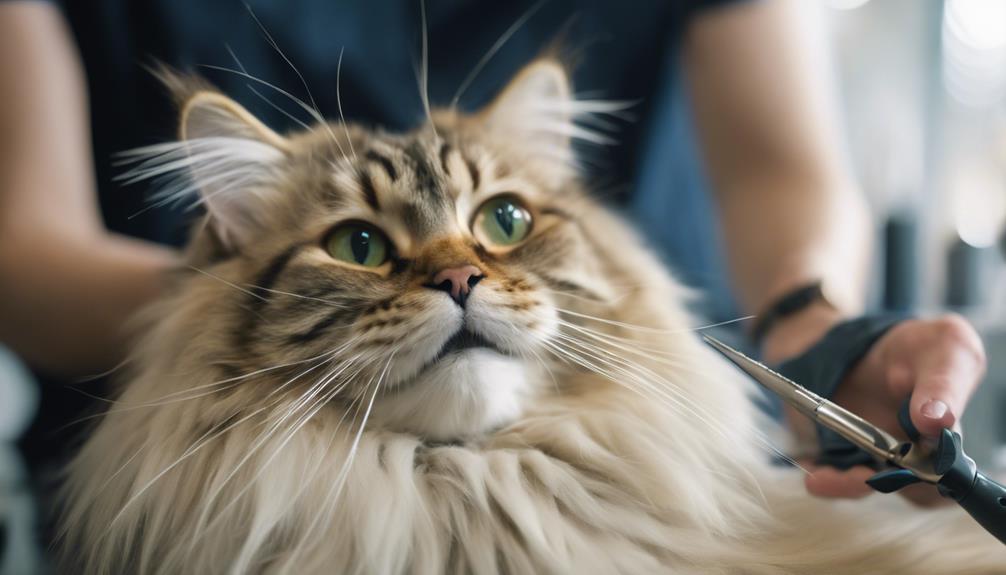
Proper grooming practices for Siberian cats are essential for effectively controlling allergens, particularly considering that these allergens primarily stem from their saliva enzymes rather than solely their fur. To maintain allergy control, owners should follow these guidelines:
- Brush your Siberian cat regularly to reduce shedding and minimize allergen levels in the environment.
- Use grooming tools suitable for Siberian cats' triple-layered coats to prevent matting and tangles.
- During shedding seasons, increase grooming frequency to manage allergens effectively.
- Avoid shaving your Siberian cat, especially in the summer, as it can interfere with their coat's natural cooling ability and exacerbate allergies.
Consulting With Healthcare Providers for Allergy Advice
Seeking advice from healthcare providers for allergy management when dealing with Siberian cat allergies is essential for individuals looking for personalized strategies. Healthcare providers, particularly allergists, can conduct allergy testing to determine specific triggers and recommend effective management techniques. They can offer valuable information on medications, immunotherapy options, and lifestyle adjustments to help individuals cope with cat allergies.
By consulting with healthcare providers, individuals can learn how to reduce allergen levels in their environment and minimize allergy symptoms effectively. This personalized guidance can greatly improve the quality of life for those with Siberian cat allergies, offering tailored solutions to manage their condition and alleviate discomfort.
Consulting with healthcare providers is a crucial step in finding the most suitable approach to deal with cat allergies.
Are Siamese Cats as Hypoallergenic as Siberian Cats?
If you are looking for siamese cats hypoallergenic information, it’s important to note that while some people may find relief from allergy symptoms around Siamese cats due to their short, fine coat, they are not considered as hypoallergenic as Siberian cats, which are known for producing lower levels of allergens.
Conclusion: Realities of Siberian Cat Allergies
In understanding the realities of Siberian cat allergies, it becomes evident that while they are not hypoallergenic, their lower allergen levels compared to other breeds may offer some relief to individuals sensitive to Fel d 1 proteins.
- Siberian cats are not completely allergen-free but have exceptionally low allergen levels that may benefit allergy sufferers.
- These cats produce less of the enzyme triggering allergies, potentially reducing allergic reactions in some individuals.
- Regular grooming is essential for managing allergens in Siberian cats due to their triple-layered coats.
- While Siberian cats may help decrease allergy symptoms in some people, reactions to allergens can still vary among individuals.