Are Sphynx Cats Hypoallergenic


Sphynx cats are not entirely hypoallergenic. They can still trigger allergies due to the Fel d1 protein in their saliva and skin secretions. While they lack fur, they spread allergens through grooming and urine. Regular cleaning can help reduce these allergens. Understanding pet allergy triggers is important for managing symptoms. Sphynx cats need special skin care due to their unique furless nature, requiring regular bathing and cleaning with chemical-free wipes. Consider factors like bathing frequency and hypoallergenic shampoos. Their suitability for allergy sufferers varies, highlighting the importance of informed decision-making. Learn more about hairless Sphynx cats' care requirements and allergen management.
Allergies & Sphynx Cats
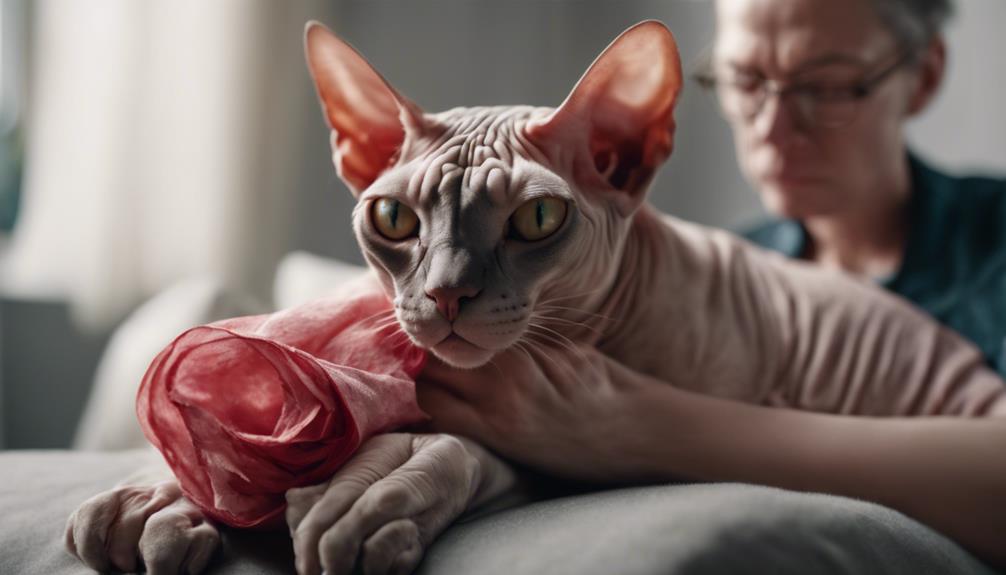
Allergenicity of Sphynx cats stems from the production of the Fel d1 protein, a common cat allergen found in their saliva. When Sphynx cats groom themselves, they spread this allergen onto their skin, leading to potential allergic reactions in sensitive individuals.
The Fel d1 allergen can also be found in their urine, further contributing to allergic responses. Although Sphynx cats are often considered hypoallergenic due to their lack of fur, it is essential to understand that the presence of Fel d1 in their saliva remains a significant factor in triggering allergic reactions.
Regular cleaning and grooming practices can help reduce the amount of allergens on their skin, potentially lessening the risk of allergic responses in susceptible individuals.
What Triggers Pet Allergies?
Pet allergies are commonly triggered by proteins present in the saliva, urine, and dander of animals. When it comes to cat allergies, the Fel d1 protein is a primary culprit, causing reactions in sensitive individuals. Factors such as the amount of hair on a cat do not determine the severity of allergies, as even hairless Sphynx cats can produce allergens in their saliva.
Understanding these allergens and what triggers pet allergies is vital in managing symptoms effectively. By knowing the sources of these allergies, individuals can take appropriate measures to minimize exposure and alleviate reactions. If you're considering a cat breed like the Sphynx due to allergies, it's important to be aware of these triggers to make an informed decision.
Skin Care for Sphynx Cats
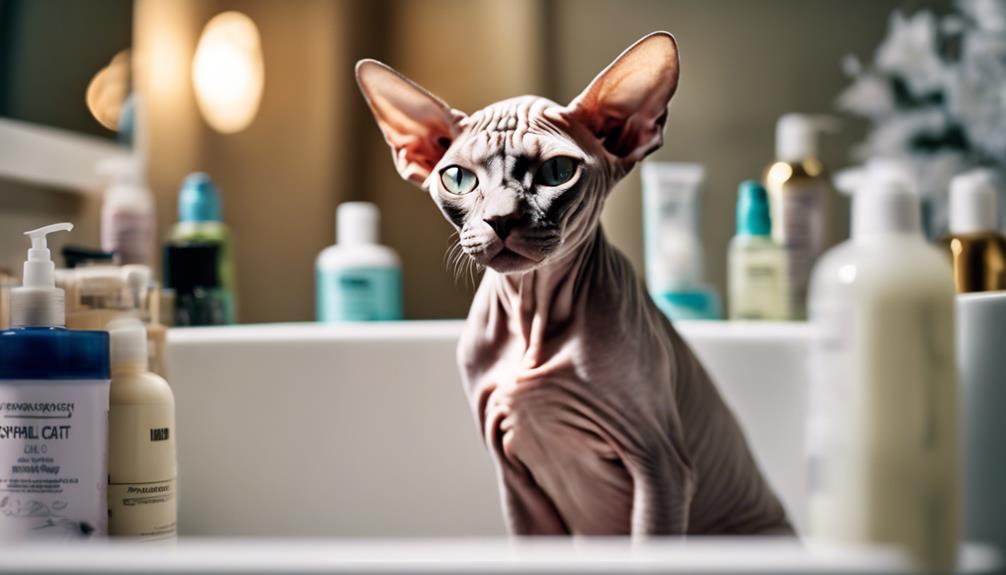
Sphynx cats require meticulous skin care due to their unique hairless nature, necessitating regular bathing and cleaning. Their skin, similar to humans', needs daily wiping to prevent oil build-up. Using chemical-free wipes is essential to maintain their skin health.
While skin care for Sphynx cats can be time-consuming, it is vital for their well-being. A proper skin care routine not only helps manage potential allergens but also keeps the Sphynx cat comfortable.
Owning a Sphynx Cat
Owning a Sphynx cat involves unique care routines, especially regarding their skin due to their lack of fur. Health considerations for Sphynx cats are vital for managing potential allergies and maintaining their well-being.
Care for Sphynx cats goes beyond the typical grooming practices of other cat breeds, requiring owners to be attentive to their specialized needs.
Care for Sphynx Cats
Requiring regular bathing and daily skin care to maintain their unique skin health, Sphynx cats demand attentive grooming routines to keep allergies at bay. Here are some essential care tips for Sphynx cats:
- Regular Bathing: Sphynx cats need frequent baths to remove excess oils from their skin.
- Daily Skin Care: Daily maintenance is vital to uphold the skin health of Sphynx cats.
- Gentle Wipes: Use gentle, chemical-free wipes to clean their skin on a daily basis.
- Allergy Prevention: Consistent skin care and maintenance are key to preventing allergies in Sphynx cats.
Health Considerations for Sphynx
Considering the unique health needs of hairless felines, responsible ownership of a Sphynx cat necessitates a focused approach to their well-being. Sphynx cats are not hypoallergenic, but their lack of fur makes them a potential option for individuals with allergies. Allergens in Sphynx cats primarily come from their saliva, so regular cleaning is essential to reduce allergic reactions. Due to their hairless nature, Sphynx cats require regular bathing and skin care to maintain good health. While not entirely allergen-free, some allergy sufferers find they can tolerate Sphynx cats better than other breeds. Owners need to be attentive to their Sphynx cat's unique needs, especially regarding cleaning, bathing, and skin care.
| Health Considerations for Sphynx | ||
|---|---|---|
| Sphynx cats | allergies | fur |
| hypoallergenic | saliva | cleaning |
| bathing | skin care |
Skin Issues for Sphynx Cats
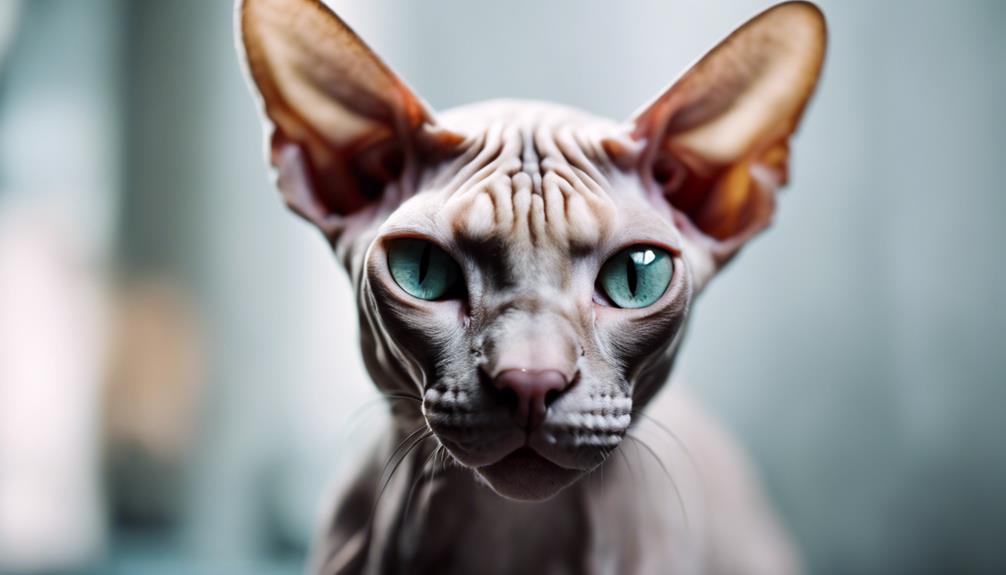
Due to their unique lack of fur, Sphynx cats are particularly prone to various skin issues that require diligent care and attention. Their skin, similar to human skin, is susceptible to dryness, sunburn, and oil buildup. To maintain their skin health, Sphynx cats need frequent baths to remove oil and debris that would normally be absorbed by fur.
Skin care for Sphynx cats involves using mild, non-toxic wipes to clean their skin daily. Despite being hairless, some Sphynx cats may have a light peach fuzz that requires attention to prevent skin problems. It is essential for owners to stay vigilant in providing proper cleaning and care routines to safeguard the well-being of their Sphynx companions.
- Sphynx cats are prone to dryness and sunburn due to their lack of fur.
- Regular cleaning is necessary to prevent oil buildup on their skin.
- Frequent baths are vital to remove debris that would typically be absorbed by fur.
- Skin care includes using mild, non-toxic wipes for daily cleaning.
Are All Sphynx Cats Hairless?
Sphynx cats, known for their mostly hairless appearance, may exhibit light peach fuzz on their skin. This hairlessness is a result of a genetic mutation that hinders fur production. While some other hairless cat breeds exist, Sphynx cats are distinct due to their unique look.
Breeders have focused on maintaining this lack of fur through selective breeding efforts. Due to their hairless nature, Sphynx cats require specific care, including regular baths and skin maintenance. These cats have special needs compared to their furry counterparts, necessitating attention to keep their skin healthy and clean.
Understanding the genetic basis of their hairlessness helps in providing appropriate care for these distinctive felines.
Bathing Recommendations for Sphynx Cats
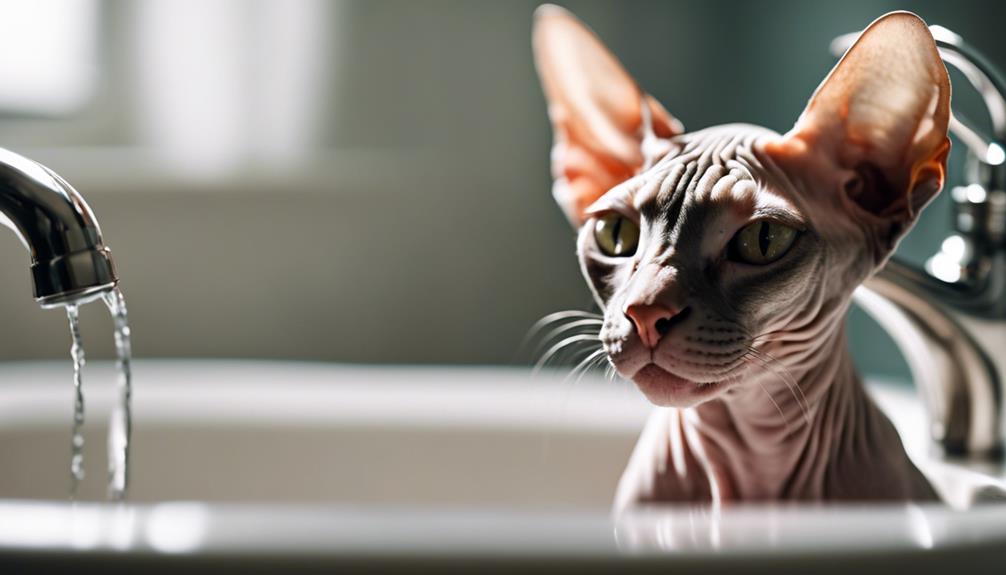
Regular bathing is essential for maintaining the skin health of Sphynx cats. When it comes to bathing these unique felines, there are specific recommendations to keep in mind:
1) Bathing Frequency: Sphynx cats may need to be bathed anywhere from once a week to once a month, depending on their individual requirements.
2) Hypoallergenic Cat Shampoo: It is important to use a gentle, hypoallergenic cat shampoo to prevent skin irritations and maintain their skin health.
3) Body Odor: Due to their lack of fur, Sphynx cats are more susceptible to body odor, making regular baths essential for odor control.
4) Reduce Allergens: Establishing a proper bathing and skin care routine can help minimize allergens on Sphynx cats, reducing allergic reactions in sensitive individuals.
Allergy Testing Before Adoption
To assess potential allergic reactions and sensitivities before adopting a Sphynx cat, allergy testing can provide valuable insights into individual responses to the cat's allergens. Skin prick tests and blood tests are common methods used to identify specific allergens that may trigger reactions in potential owners.
By understanding personal allergy triggers through these tests, individuals can make informed decisions about adopting a Sphynx cat. Consulting with allergists or immunologists can further guide individuals on managing allergies if they choose to bring a Sphynx cat into their home.
This proactive approach can help mitigate allergic reactions and guarantee a more comfortable living environment for both the individual and the cat.
Managing Allergies to Cats
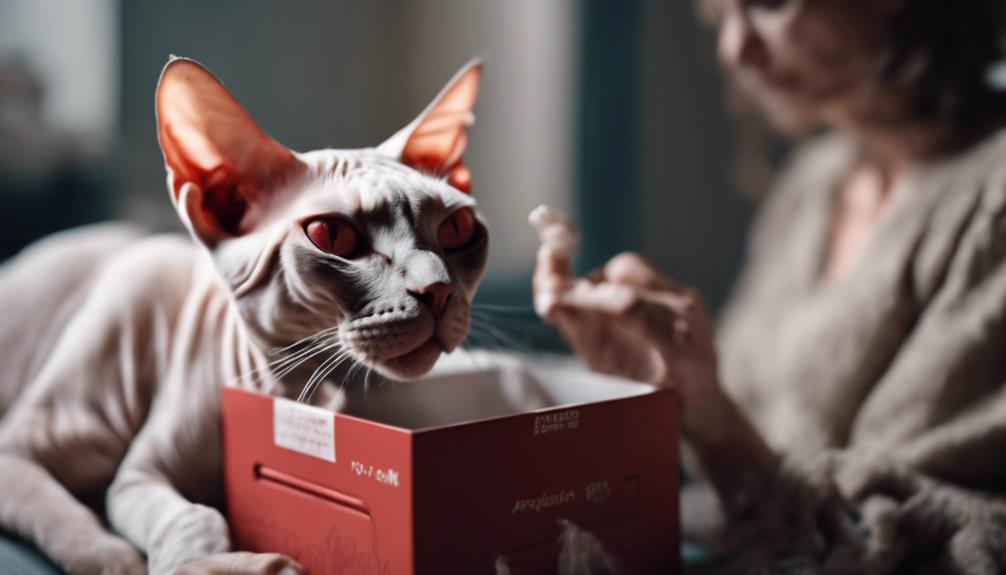
When dealing with allergies to cats, individuals must be vigilant in implementing consistent cleaning practices to minimize exposure to allergens. Allergic reactions to Sphynx cats can be managed effectively through the following measures:
- Regular bathing and cleaning of Sphynx cats can help reduce the spread of the Fel d1 protein found in their saliva and skin oils.
- Allergen exposure can be minimized by keeping the cat's living environment clean and free of dust and dander.
- Sensitivity levels vary among individuals, so vigilance is necessary to monitor and adjust interactions with Sphynx cats accordingly.
- Extra maintenance may be required for Sphynx cats to manage allergies due to their potential to carry allergens despite being hairless.
Are Sphynx Cats and Savannah Cats Equally Hypoallergenic?
Yes, Savannah cats are considered a hypoallergenic option for cat lovers. However, Sphynx cats are also known for being hypoallergenic due to their lack of fur. Ultimately, the level of hypoallergenicity may vary from individual to individual.
Sphynx Cats and Allergy Prevention
Sphynx cats, although not hypoallergenic, can be a preferable choice for individuals with allergies due to their absence of fur. Allergens from Sphynx cats are mainly present in their saliva, not their hair. To help reduce allergen exposure, regular bathing and cleaning of Sphynx cats are recommended. Their unique furless nature requires specific skincare routines to maintain their skin health.
While Sphynx cats may trigger fewer allergies than other breeds, individual reactions can vary. It's important for allergy sufferers to spend time with a Sphynx cat before committing to make sure they don't have adverse reactions. By understanding the source of allergens and implementing proper care, individuals can enjoy the companionship of Sphynx cats while minimizing allergic reactions.