Are String Of Hearts Toxic To Cats


String of Hearts plants are safe for cats as they are non-toxic. Cats might experience mild issues like a bellyache if they ingest this plant. Keeping a close watch on cats around the plant is crucial. If concerning symptoms arise, consult a vet promptly. Prevent cats from accessing these plants to avoid any complications. For further insights on cat-friendly plants and how to guarantee your cat's safety, the following details more options and preventive measures.
Toxicity of String of Hearts to Cats
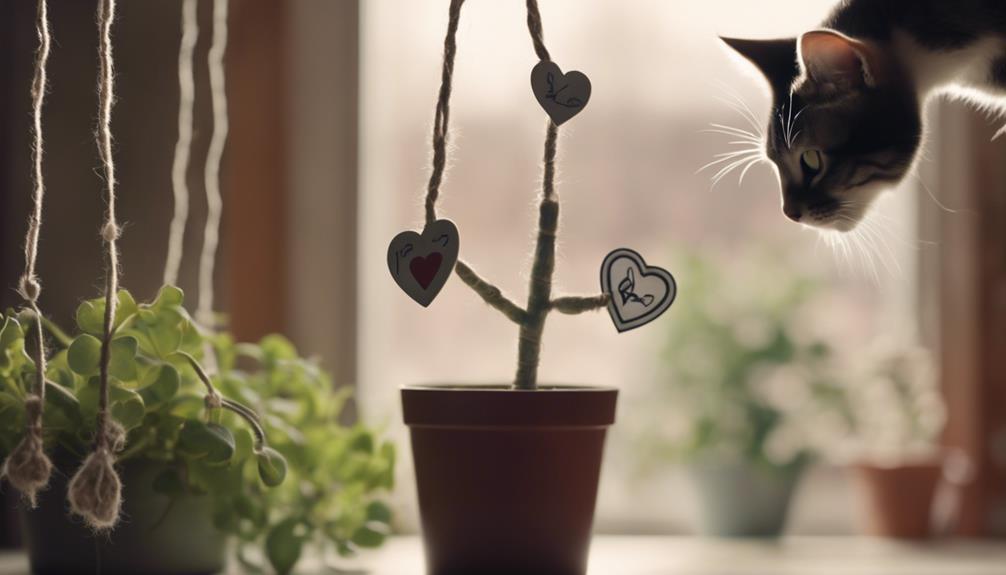
String of Hearts poses no toxicity risk to feline companions, ensuring a safe environment for cats in homes where this plant is present. Being non-toxic to cats, String of Hearts is considered a safe plant to have around feline friends. While ingestion may lead to mild symptoms like a bellyache or diarrhea, these effects are generally short-lived and not life-threatening.
It is essential to monitor cats around the plant to prevent excessive consumption, as it is not meant for their diet. If any concerning symptoms arise, contacting a veterinarian is advised, although discomfort is typically the worst outcome. To maintain safety, it is recommended to keep String of Hearts out of reach by hanging it or placing it in areas inaccessible to cats.
Identification of Toxic Components
String of Hearts is known to lack toxic components that could harm cats, making it a safe option for homes with feline companions. Understanding the absence of harmful compounds in this plant is important for pet owners seeking non-toxic greenery.
Recognizing the signs of potential poisoning and knowing how to address them promptly can further guarantee the well-being of cats in such environments.
Toxic Components in String of Hearts
While many houseplants pose a threat to feline friends due to toxic components, the String of Hearts plant stands out as a safe and non-toxic option for cat owners. When it comes to toxic components in String of Hearts, there are none to harm cats, making it a worry-free choice for homes with curious pets. This plant allows cats to nibble safely without adverse effects, providing a green addition to your home decor that won't put your feline friends at risk. By taking simple precautionary measures like keeping the plant out of reach, you can guarantee the safety of your cats around String of Hearts.
- String of Hearts is non-toxic to cats and lacks harmful compounds.
- There are no toxic components in String of Hearts that can harm cats.
- Cats can safely nibble on String of Hearts without adverse effects.
- String of Hearts is safe for homes with curious cats to have around.
Harmful Effects on Cats
When considering the potential harm that certain houseplants may pose to feline companions, it is important to identify any toxic components that could lead to adverse effects on cats' health.
Fortunately, String of Hearts is non-toxic to cats, making it a safe choice for homes with feline friends. This plant lacks harmful compounds that could pose a danger to cats if ingested.
However, cats may experience minor digestive issues such as a bellyache or diarrhea if they consume String of Hearts. It is essential to monitor cats around the plant to prevent overindulgence.
In case of any adverse reactions, contacting Poison Control or a vet is recommended, although discomfort is the worst expected outcome.
Symptoms of Poisoning
Symptoms of poisoning in cats, attributed to toxic components in certain plants, necessitate immediate identification and management to guarantee feline well-being. However, String of Hearts is non-toxic to cats, making it safe around them.
If cats overindulge in String of Hearts, they may experience mild symptoms like a bellyache or diarrhea. There are no toxic components in String of Hearts that pose a significant danger to cats. While it is safe for cats to nibble on String of Hearts occasionally, it should not be a part of their regular diet.
Monitoring cats around this plant is essential to prevent excessive consumption and potential discomfort.
Symptoms of Toxicity in Cats
Cats may exhibit signs of gastrointestinal distress if they consume excessive amounts of String of Hearts. Monitoring cats for any symptoms of toxicity is essential. Contacting a vet if a cat shows signs of discomfort is recommended. Symptoms of toxicity in cats' digestive systems may include:
| Symptom of Toxicity | Description |
|---|---|
| Bellyache | Abdominal discomfort |
| Diarrhea | Loose, watery stools |
| Vomiting | Forceful expulsion of stomach contents |
| Lethargy | Lack of energy and enthusiasm |
Treatment for Toxicity
In cases where cats exhibit signs of discomfort after ingesting String of Hearts, prompt veterinary consultation is recommended to determine the appropriate treatment for toxicity. When seeking help for ingestion incidents involving String of Hearts, consider the following treatment options:
- Assessment: Vets will evaluate the severity of the cat's symptoms and overall condition.
- Supportive Care: This may include fluid therapy to maintain hydration and supportive medications.
- Monitoring: Vets will closely monitor the cat's progress to ensure the treatment is effective.
- Follow-Up: After initial treatment, follow-up consultations may be necessary to ensure the cat's full recovery.
Contacting your vet promptly is important for addressing any discomfort or potential toxicity from String of Hearts ingestion.
Preventive Measures
To safeguard your feline friends from potential harm, maintain safe plant placement by keeping toxic succulents out of reach and in cat-free areas.
Consider cat-friendly succulent alternatives like Hens and Chicks or Chinese money plant to avoid any unwanted plant interactions.
Monitor your cat's behavior around plants closely to catch any curious nibbling or playtime attempts before they become hazardous.
Safe Plant Placement
Efficient plant placement strategies play an important role in safeguarding cats from potential exposure to String of Hearts, ensuring a harmonious coexistence between felines and greenery in the household.
To create a safe environment, consider the following measures:
- Elevate the Plant: Place String of Hearts out of reach on high shelves or use hanging planters.
- Assess Climbing Routes: Check your space for potential launchpads or climbing routes that cats could use to reach the plant.
- Use Deterrents: Employ bitter lime spray, decorative stones, or pine cones to discourage cats from interacting with the plant.
- Reinforce Boundaries: Consider using a water spritz bottle to reinforce boundaries and deter cats from approaching the plant.
Cat-Friendly Plant Alternatives
When considering plant alternatives that are safe for cats, it is important to prioritize the well-being and health of our feline companions. Some cat-friendly options include African Violet, Boston Fern, and Spider Plant, which are non-toxic to cats.
Additionally, succulents like Echeveria and Haworthia, as well as orchids such as Phalaenopsis and Calathea species, are safe choices around cats. Varieties like Swedish Ivy and Passiflora are also considered safe for feline friends.
To guarantee your plant is safe for your cat, it's recommended to check toxicity lists or consult a vet before introducing new plants into your home. By selecting these cat-friendly plants, you can create a green and safe environment for both your beloved pet and your plant decor.
Monitor Cat Behavior
In order to safeguard your cat's well-being and prevent potential issues with String of Hearts ingestion, it is essential to closely monitor your feline companion's behavior around this plant. Here are some preventive measures to contemplate:
- Place the plant out of reach: Utilize high shelves or plant hangers to keep the Variegated String of Hearts away from curious paws.
- Assess your space: Look for any potential launchpads that cats could use to access the plant and eliminate them.
- Use deterrents: Consider bitter lime sprays, decorative stones, or pine cones to discourage your cat's interest in the leaves.
- Reinforce boundaries: If necessary, gently remind your cat of boundaries by using a spritz from a water bottle.
Alternatives and Safe Plant Options
Exploring safe alternatives and plant options that are feline-friendly is essential for maintaining a harmonious and pet-safe home environment. Below is a table highlighting some safe alternatives to String of Hearts and other cat-safe plant options:
| Safe Alternatives | Cat-Safe Plant Options | Non-Toxic Options |
|---|---|---|
| African Violet | Calathea Orbifolia | Echeveria |
| Baby's Tears | Swedish Ivy | Haworthia |
| Boston Fern | Passiflora | Sedum Morganianum |
| Prayer Plant | Lithops |
Choosing plants like Parlor Palm, Spider Plant, and Watermelon Peperomia for cat-friendly homes can enhance the living space while keeping your pets safe. Opting for visually appealing and non-toxic options like Rose plants, Orchids such as Phalaenopsis, and various Calathea species can also contribute to a pet-friendly environment.
Can Toxicity in Snapdragons Affect Cats the Same Way as String of Hearts?
Yes, toxicity in snapdragons can affect cats in the same way as the toxicity in string of hearts. It is important to keep snapdragons and cats’ relationship in mind and ensure that these potentially harmful plants are kept out of reach of feline friends to prevent any possible health issues.
The Bottom Line
To summarize the key considerations regarding the safety of String of Hearts plants around cats, diligence in monitoring feline interactions with this non-toxic plant is essential for maintaining their well-being. Here are some important points to keep in mind:
- String of Hearts plants are non-toxic to cats, making them a safe choice for homes with feline companions.
- Cats may experience digestive issues like vomiting if they consume String of Hearts leaves, despite the plant being non-toxic.
- It's vital to monitor cats around String of Hearts to prevent overindulgence and potential stomach upset.
- If a cat shows signs of illness after interacting with or consuming String of Hearts, contacting a vet is recommended.