Are There Cats Without Whiskers


Cats without whiskers do exist, often found in specific hairless breeds due to genetic variations. These whiskerless felines have adapted to compensate for their missing whiskers. While lacking whiskers can affect spatial awareness, grooming, and social interactions, these cats rely on heightened touch, vision, and hearing. Whiskers are essential for cats' sensory perception, hunting, and balance. Despite misconceptions, whiskerless cats show resilience and adaptability. Providing specialized care, safe environments, and tailored support enhances their well-being. Supporting these unique cats involves regular vet check-ups, interactive play, and understanding their special needs. Learn more about whiskerless cats and their unique adaptations.
Types of Whiskerless Cat Breeds
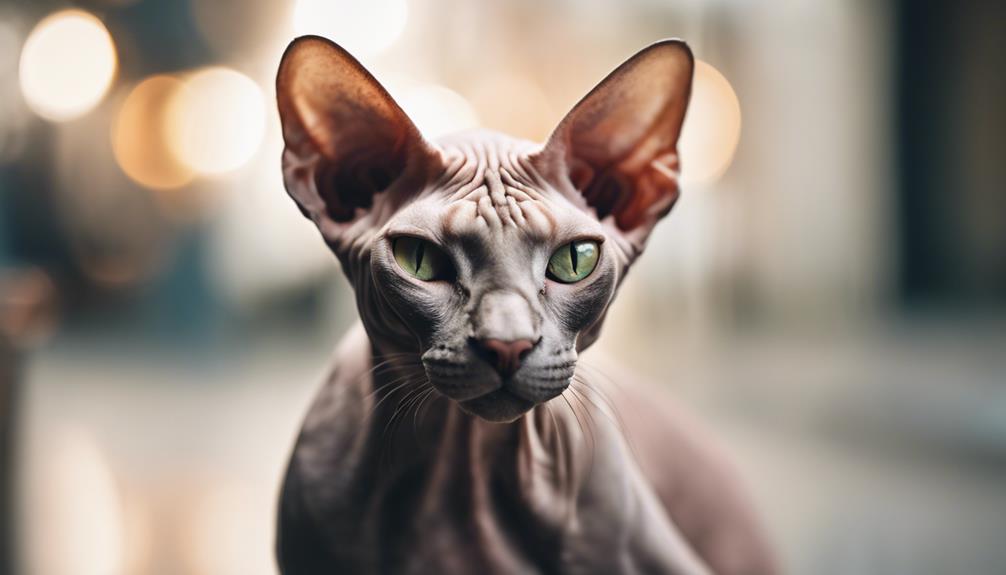
Hairless cat breeds such as the Sphynx and Peterbald are known for their unique feature of lacking whiskers, which can be attributed to genetic mutations. Whiskers play an essential role in a cat's sensory perception, aiding in hunting and exploring their environment effectively.
While some hairless cats may have scattered or shorter whiskers, others may completely lack them due to specific genetic traits. Despite the challenges faced by whiskerless cats regarding hunting, these felines have shown remarkable adaptability by relying on their other senses.
The absence of whiskers does not greatly hinder the overall quality of life for hairless cats, as they have evolved to compensate for this loss through their heightened sense of touch, vision, and hearing.
Challenges Faced by Whiskerless Cats
Whiskerless cats face significant challenges related to their sensory limitations. These limitations affect their spatial awareness and ability to navigate their environment. Additionally, grooming can become problematic for these cats as whiskers play an important role in detecting changes in their surroundings.
Social interactions may also be impacted for whiskerless cats. They rely on these tactile hairs for communication cues with other felines and humans.
Whiskerless Cats Sensory Limitations
Facing sensory limitations due to the lack of important sensory organs, cats without whiskers encounter significant challenges in properly evaluating their environment.
- Spatial Awareness: Whiskerless cats may struggle with spatial awareness, affecting their ability to navigate and judge distances accurately.
- Hunting Abilities: The absence of whiskers can lead to limitations in hunting abilities, as these sensory organs play an essential role in detecting prey and obstacles.
- Effective Communication: Cats without whiskers may find it challenging to communicate effectively with other cats through subtle whisker movements.
- Overall Sensory Limitations: The lack of whiskers in cats can result in difficulties expressing emotions and fully understanding their surroundings, impacting their overall sensory experience.
Grooming Challenges Faced
Due to the absence of whiskers, grooming poses significant challenges for cats without these essential sensory organs, impacting their ability to maintain cleanliness and navigate their grooming routine effectively.
Whiskerless cats may struggle with imprecise face cleaning, leading to potential skin irritations and difficulties in detecting obstacles during grooming. Without the tactile guidance of whiskers, maintaining hygiene around the face area becomes challenging for these cats. This can result in dirt and debris accumulating in hard-to-reach areas, further exacerbating the potential for discomfort or infections. Cats often use their whiskers, including cat whiskers above the eyes, to navigate their environment and ensure thorough grooming practices. Without these crucial tactile tools, whiskerless cats may rely more on their owners to assist with cleaning and monitoring for any signs of irritation.
The lack of whiskers in their grooming routines can result in less efficient self-cleaning and discomfort. Owners of whiskerless cats should provide extra care and attention during grooming to make certain their cats' comfort and hygiene are maintained.
Understanding these grooming challenges can help owners support their whiskerless feline companions in their grooming routines effectively.
Social Interactions Impacted
Getting around social interactions for cats without whiskers presents unique challenges that stem from their limited ability to communicate emotions effectively through whisker positioning. Whiskerless cats may struggle to convey feelings of fear, aggression, or relaxation to other cats, hindering their social interactions.
Establishing boundaries with other felines can be challenging, potentially leading to misunderstandings or conflicts in social settings. The disruption of social hierarchies among cats could impact whiskerless cats' ability to navigate social dynamics effectively without whiskers.
In multi-cat households, whiskerless cats may experience communication difficulties, affecting their social integration and interactions with other felines. These challenges highlight the importance of whiskers in facilitating social interactions and communication among cats.
Importance of Whiskers for Cats
Whiskers play an essential role in a cat's sensory perception and overall functionality, serving as important tools for evaluating their environment and detecting potential dangers.
Cat whiskers, scientifically known as vibrissae, are deeply rooted in the skin and connected to sensitive nerve cells. These sensory cells provide crucial information about the surroundings, helping cats navigate obstacles, estimate distances, and maintain balance, particularly in dimly lit areas.
Whiskers also aid in hunting by sensing slight movements and changes in air currents, enhancing a cat's ability to catch prey. In the case of whisker loss, such as in the Sphynx cat breed, cats may experience difficulties in spatial awareness and coordination, highlighting the significance of these specialized hairs for feline well-being and functionality.
Common Misconceptions About Cats Without Whiskers

There are some common misconceptions surrounding cats without whiskers that need clarification.
Understanding how the absence of whiskers influences a cat's behavior, the potential health implications of being whiskerless, and the specific care tips required for these cats can help dispel misunderstandings.
Whiskerless Cats Behavior
Despite common misconceptions, whiskerless cats exhibit behavior that demonstrates their remarkable adaptability and resilience in maneuvering their surroundings using alternative senses like hearing and vision.
Whiskerless cats may rely more on tactile sensations and visual cues to compensate for the absence of whiskers. Their behavior may show minor adjustments, but overall, they can adapt well to their environment.
Lack of whiskers does not greatly impact a cat's overall well-being or quality of life. Cats without whiskers can still lead a normal and fulfilling life, showcasing their ability to navigate and explore using their other heightened senses.
Their behavior highlights their incredible ability to adapt and thrive even without this distinctive feature.
Health Implications of Whiskerless Cats
In understanding whiskerless cats more importantly, it is essential to dispel common misconceptions surrounding their health implications. Cat breeds like the Sphynx and Peterbald may lack whiskers due to genetic mutations, not health issues.
Whiskers serve as sensory tools, but hairless cats have other adaptations to compensate. Despite the lack of whiskers, hairless cats navigate their environment effectively. The absence of whiskers does not hinder their quality of life as they rely on other sensory mechanisms.
Contrary to some beliefs, whiskerless cats do not face significant health implications. While their whiskers may not grow back, their curly whiskers do not affect their well-being. It is important to understand that the lack of fur, including whiskers, in hairless cat breeds does not pose health risks.
Care Tips for Whiskerless Cats
Hairless cats, such as the Sphynx and Peterbald breeds, need specialized care to guarantee their well-being and happiness despite their lack of whiskers. When caring for whiskerless cats, consider the following tips:
- Whiskerless cats have adapted sensory mechanisms to compensate for the lack of whiskers, relying on heightened senses like hearing and vision.
- Despite the absence of whiskers, hairless cats can navigate their surroundings effectively and are not disadvantaged in hunting or exploring.
- Whiskerless cats may exhibit unique grooming behaviors, but they can still communicate effectively and maintain their overall well-being.
- Providing proper care, including regular vet check-ups and environmental enrichment, is essential to ensuring whiskerless cats lead healthy and fulfilling lives.
Care Tips for Cats Without Whiskers
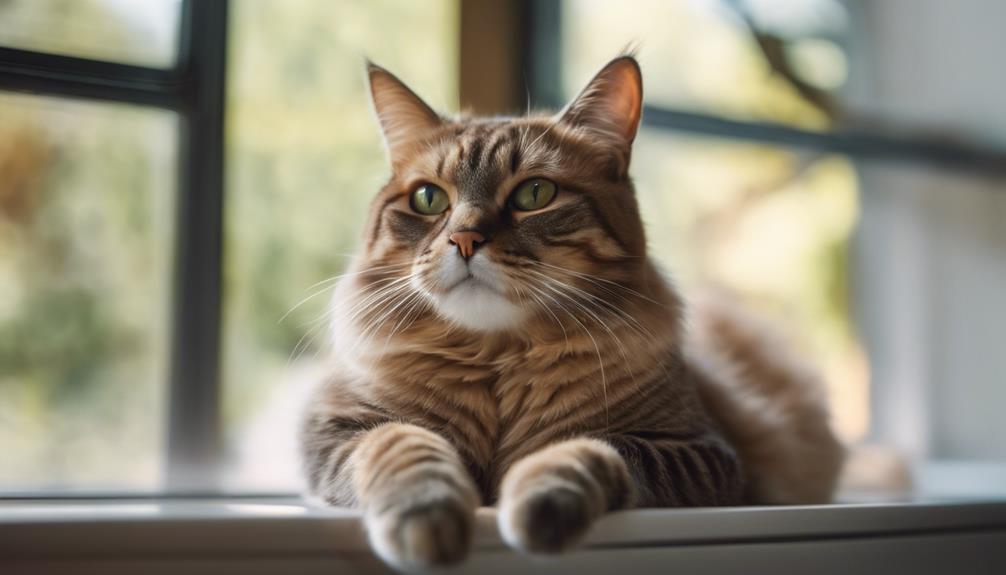
For felines lacking whiskers, ensuring a safe and accommodating environment is vital to their well-being and navigation abilities. Hairless cat breeds like the Sphynx and Peterbald may either lack whiskers entirely or have shorter, curly whiskers. These whiskerless cats have adapted to rely more on their other senses, such as hearing and sight, to compensate for the absence of whiskers.
Providing a safe environment free of obstacles is essential for cats without whiskers to prevent accidents or injuries due to their impaired spatial awareness. Additionally, regular veterinary check-ups are necessary for monitoring the health and well-being of these cats, ensuring that any potential issues are addressed promptly to maintain their overall quality of life.
Conclusion: Supporting Whiskerless Cats
Considering the unique sensory adaptations and challenges faced by whiskerless cats, it is essential to provide tailored support and understanding to guarantee their well-being and quality of life.
- Whiskerless cats rely on other senses like enhanced hearing and vision to compensate for the absence of whiskers.
- Providing a safe environment with clear pathways and minimal obstacles can help whiskerless cats navigate their surroundings more easily.
- Regular veterinary check-ups are essential to monitor any issues related to their sensory perception and overall health.
- Engaging whiskerless cats in interactive play sessions can stimulate their senses and provide mental and physical enrichment.