Can Cats Eat Papaya


Cats can eat papaya in moderation. Papaya has limited nutritional benefits for cats. The enzyme papain aids digestion, but cats struggle to convert beta-carotene into Vitamin A efficiently. It is important to feed cats papaya in small amounts, around 1-2 pieces once or twice a week to prevent digestive issues. Excessive consumption can lead to upset stomach and obesity. To maintain a balanced diet, monitor your cat's intake carefully. Consider consulting a vet for tailored advice on your cat's dietary needs. Discover more about papaya's effects on feline health and well-being.
Nutritional Benefits of Papaya for Cats
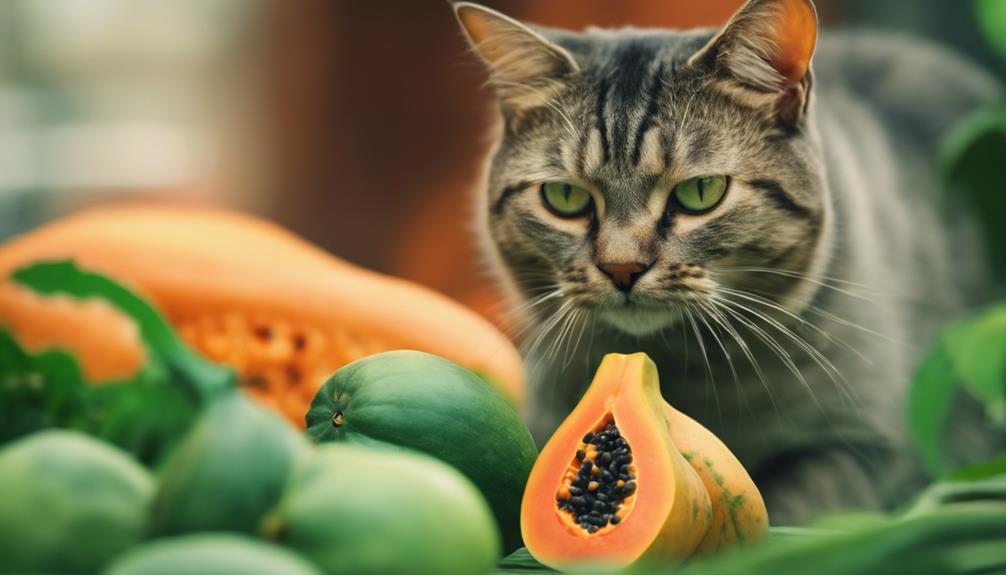
Papaya provides limited nutritional benefits for cats due to their unique dietary requirements as obligate carnivores. While papaya contains vitamins like Vitamin C, which may not have a substantial impact on cats due to their ability to produce their own, the enzyme papain in papaya can aid digestion in felines, particularly in older cats with digestive issues.
However, cats lack the efficient ability to convert beta-carotene from papaya into Vitamin A compared to humans. Additionally, the high sugar content in papaya makes it unsuitable as a regular part of a cat's diet.
Fiber, present in papaya, is not a necessary component in a cat's diet and introducing high fiber suddenly can lead to digestive disturbances in cats, emphasizing the importance of moderation when offering papaya to feline companions.
Safe Quantity of Papaya for Cats
When considering the safe quantity of papaya for cats, it's important to understand the balance between its benefits and potential risks.
Cats should only have papaya in moderation, with a recommended limit of 1-2 small pieces once or twice a week.
Excessive papaya consumption can lead to digestive issues or an upset stomach in felines.
Papaya Benefits for Cats
Containing essential vitamins like C, A, B, E, and K, papaya offers notable benefits for cats when incorporated into their diet in moderation.
The nutritional benefits of papaya can help reduce digestive issues in cats due to the presence of the papain enzyme, which aids in the breakdown of proteins and supports healthy digestion.
When given in appropriate quantities, papaya can be a beneficial addition to a cat's diet, promoting overall well-being. However, it is important to remember that cats should not consume too much papaya, as it should not exceed 10% of their daily calorie intake.
Offering 1-2 small pieces of papaya occasionally can provide these benefits without overwhelming their diet.
Risks of Excessive Papaya
To ensure the well-being of cats, it is vital to comprehend the risks associated with excessive consumption of papaya, particularly in relation to their digestive health and overall dietary balance.
- High sugar content in papaya can lead to potential obesity and diabetes in cats.
- Excessive papaya consumption may result in stomach upset and diarrhea in felines.
- Cats are obligate carnivores, meaning their main source of nutrients should be animal-based.
- Offering papaya in moderation is essential to prevent any adverse health effects and maintain a balanced diet for cats.
Serving Papaya to Your Cat
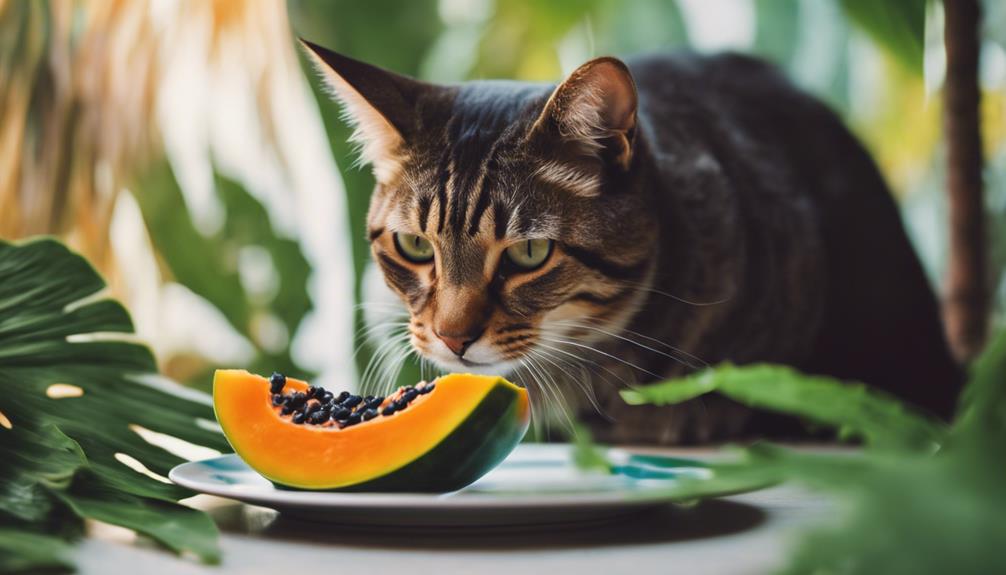
When serving papaya to your cat, remember to remove the skin and offer small, fresh pieces to prevent choking.
It's important to monitor your cat for any negative reactions and serve the papaya at room temperature to make it easier to digest.
Additionally, washing the papaya thoroughly before feeding it to your cat can help remove any potential pesticides.
Quantity for Cats
When incorporating papaya into your cat's diet, it is important to start with small portions to prevent digestive issues. A few small chunks of ripe papaya once or twice a week is a safe starting point for most cats. Remember that fruits should only make up a small portion of your cat's overall diet, including papaya.
It's vital to monitor your cat for any adverse reactions or allergies when serving papaya. If you notice any changes in your cat's health or behavior after feeding papaya, consult with a vet promptly to address any concerns. Following these guidelines can help make sure that your cat enjoys papaya safely and maintains good health.
Preparation Tips
To ensure optimal consumption by your cat, make sure that ripe papaya is served without the skin to facilitate easy consumption.
Washing the papaya thoroughly to remove any pesticides or residues before cutting it into bite-sized chunks is crucial.
Cats can enjoy fresh papaya at room temperature, which is preferable over serving it cold.
Dried Papaya can be a good alternative as well, but make sure it is in small pieces to prevent choking hazards.
By offering your cat this delicious fruit in the right way, you can introduce a tasty and nutritious treat to their diet.
Remember to observe your cat for any adverse reactions after incorporating papaya into their meals.
Papaya Seeds and Cats
Papaya seeds should be kept away from cats due to the risk of choking and their lack of nutritional value. When it comes to cats and papaya seeds, it's important to avoid giving them to your feline friends. Here are some key points to keep in mind:
- Choking Hazard: Papaya seeds can be a choking hazard for cats if ingested.
- Nutritional Value: Papaya seeds are low in nutritional value for cats.
- Health Risks: Feeding papaya seeds to cats can pose potential health risks.
- Prevent Accidental Ingestion: Always remove papaya seeds before offering papaya to cats to prevent accidental ingestion and potential harm.
It's vital to prioritize your cat's safety and well-being by being mindful of what they consume.
Dried Papaya and Felines
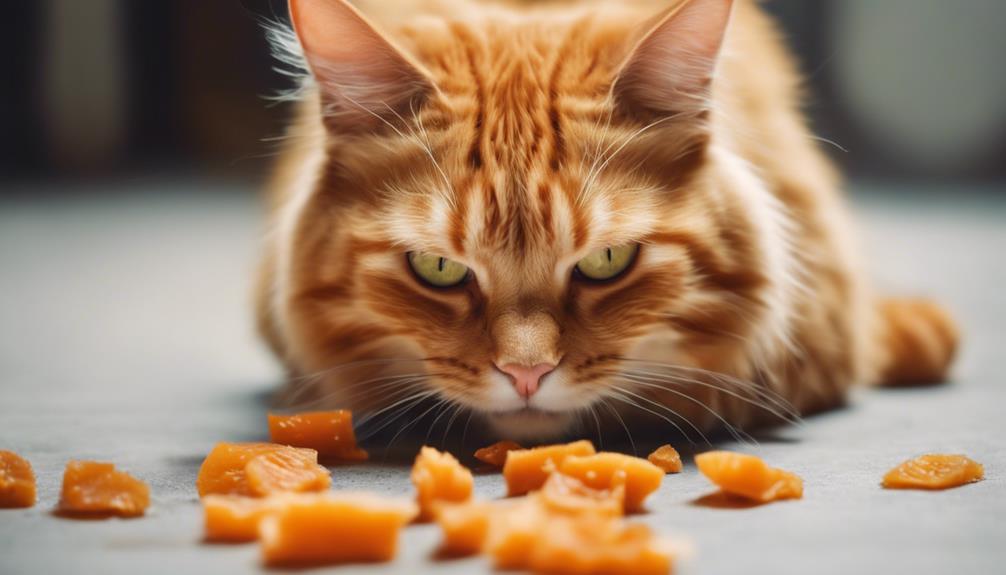
Given the potential risks associated with papaya seeds and the importance of prioritizing feline health, it is vital to carefully consider the implications of feeding dried papaya to cats.
Dried papayas, high in sugar levels, can be harmful to cats, potentially leading to digestive system issues and upset stomachs. The concentrated sugars in dried fruits like papaya can cause obesity and diabetes in felines.
Opting for fresh fruits over dried papaya is a safer choice, offering more nutrients and less sugar for cats. To promote better feline health, it is advisable to choose species-appropriate foods such as dried meat instead of dried papaya.
Always check the ingredient lists on dried fruits to make sure they do not contain substances toxic for cats.
Papaya Alternatives for Cats
Exploring suitable fruit alternatives for cats can provide a variety of healthy options to complement their diet while maintaining nutritional balance. When considering fruits and vegetables for cats, it's important to keep in mind that they should only be given as an occasional treat.
While fruits like melon, blueberries, or cooked apples can offer health benefits, the majority of a cat's diet should consist of high-quality cat food. Tailoring a cat's diet to meet their specific nutritional needs is vital for their well-being.
It's important to stay up-to-date with the latest information on what foods are safe for cats to consume and ensure that the nutritional balance of their cat food remains the priority over offering fruits as a primary source of nutrients.
Papaya Enzymes for Cats
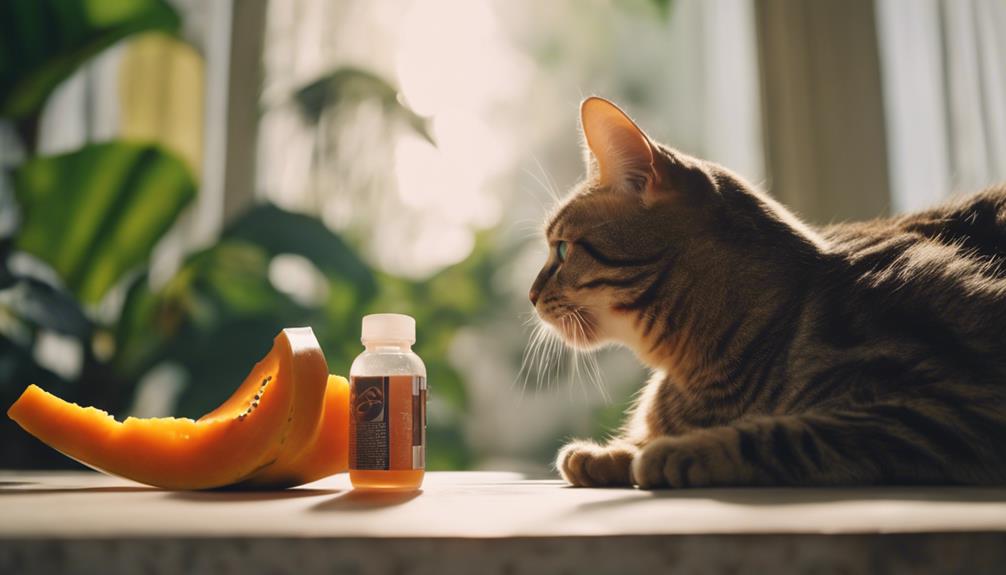
When considering additional dietary aids for cats, the inclusion of papaya enzymes can offer digestive benefits that cater to specific feline needs. Papaya enzymes, such as papain, aid in digestion by breaking down proteins, which can be particularly helpful for older cats or those with sensitive stomachs. These enzymes may also assist in nutrient absorption and promote overall gut health in cats.
However, it is important to offer papaya in moderation to prevent any potential digestive upset in felines. Before incorporating papaya or papaya enzymes into your cat's diet, it is advisable to consult with a veterinarian to make sure it is suitable for your cat's individual needs.
Health Risks of Excessive Papaya Consumption
Is excessive papaya consumption detrimental to the health of cats due to potential stomach upset and other associated risks? Cats may experience health risks from consuming too much papaya, such as:
- Stomach upset
- Diarrhea
- Obesity
- Diabetes
Papaya's high sugar content can lead to weight gain and potentially contribute to diabetes in cats. Since cats are obligate carnivores, their diet should primarily consist of animal-based protein. While papaya can offer some vitamins and nutrients, it is not essential for feline health. To prevent these health risks, papaya should only be given to cats in small amounts occasionally.
A balanced cat food diet provides all the necessary nutrients without the associated risks of excessive papaya consumption.
Cats Unsuitable for Papaya Consumption
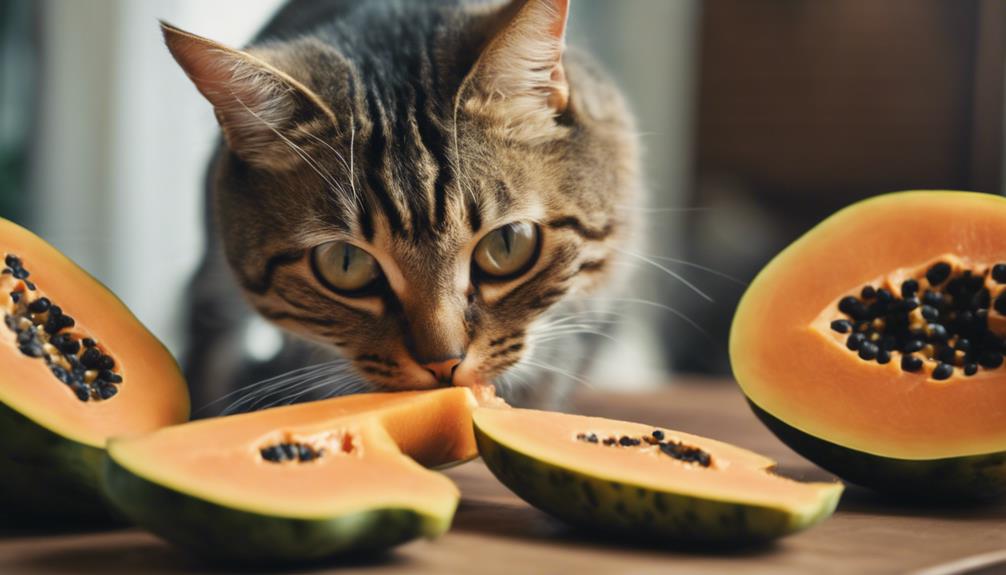
Given cats' biological makeup and dietary requirements, papaya consumption is unsuitable and potentially harmful for feline health due to their inability to digest the fruit's nutrients effectively. Cats, being obligate carnivores, have evolved to thrive on a diet primarily consisting of animal protein, making fruits like papaya offer little to no nutritional value for them. In addition to dietary concerns, the ingestion of inappropriate items, such as certain plants, can also pose risks to feline health. For example, discussions about cats and palm leaves safety highlight how cats may inadvertently consume plant material that could lead to gastrointestinal distress or toxicity, depending on the species of palm. It’s crucial for cat owners to monitor their pets’ environments and ensure their diet and surroundings align with their specific biological needs.
The high sugar content in papaya can lead to digestive issues such as stomach upset and diarrhea when consumed by cats. Additionally, the seeds and dried forms of papaya should be avoided in a cat's diet due to potential choking hazards. Considering these factors, it is best to refrain from offering papaya to cats to prevent any adverse effects on their health and well-being.