Can Cats Eat Paprika

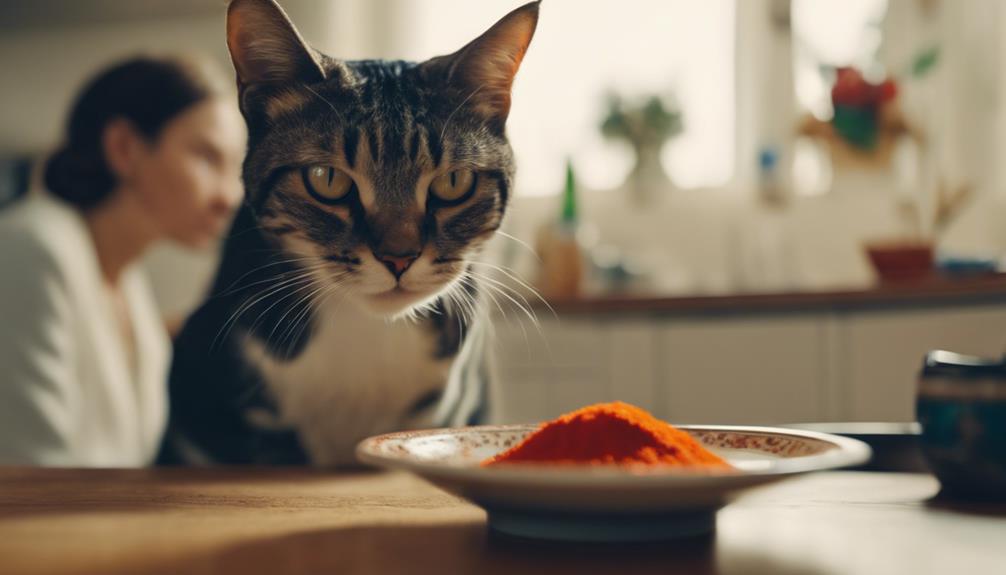
Cats should not eat paprika due to its capsaicin content, which can be toxic. This compound can cause mouth and digestive irritations, leading to symptoms like vomiting, diarrhea, and behavioral changes when ingested. Cats instinctively avoid paprika due to its strong smell. Even small amounts can result in stomach upset. It's important to seek veterinary care if signs of toxicity appear. To guarantee cat health, it's best to exclude paprika from their diet. By preventing exposure to paprika through secure storage and cautious cooking, you can safeguard your feline companion's well-being.
Risks of Paprika for Cats
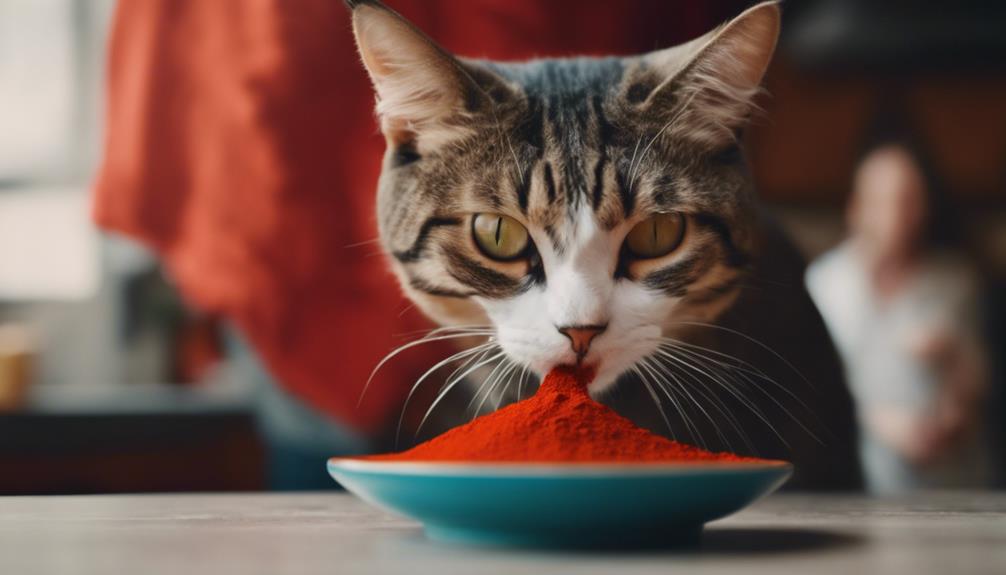
To sum up, paprika poses potential risks to cats due to the presence of capsaicin, a compound that can be toxic to them. Capsaicin can cause irritation in cats' mouths and digestive systems, leading to adverse effects if ingested.
As obligate carnivores, cats do not benefit from plant-based foods like paprika and may instinctively avoid it due to its strong smell. While a small amount of paprika may not immediately harm a cat, it is best to avoid feeding it to them altogether to prevent any potential stomach upset or discomfort.
To wrap it up, paprika is not safe for cats to consume, and it is recommended to stick to a diet that consists of animal-based protein for their nutritional needs.
Signs of Paprika Toxicity in Cats
When cats experience paprika toxicity, they may exhibit various symptoms that signal potential health complications. These may include vomiting, diarrhea, drooling, and behavioral changes.
Ingesting paprika can lead to gastrointestinal issues, inflammation, and discomfort in cats. Paprika is toxic to cats, offering no health benefits and potentially causing digestive problems.
The severity of symptoms from paprika ingestion varies based on the amount consumed and the cat's health condition. Recognizing these symptoms of paprika toxicity in cats is important for addressing potential health risks promptly.
If you notice any of these signs after your cat has ingested paprika, it is vital to seek veterinary care to safeguard your pet's well-being.
Actions for Paprika Ingestion
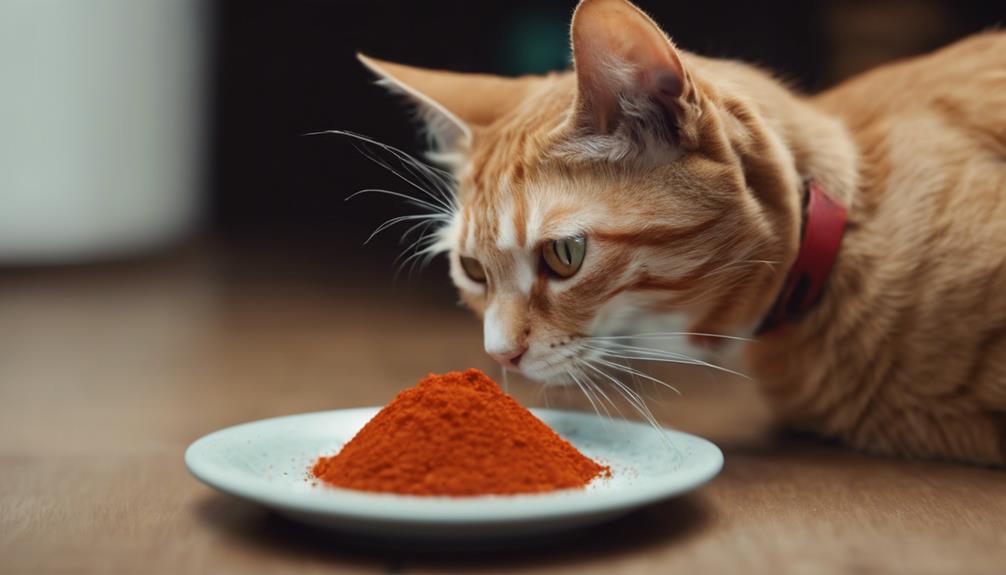
After recognizing the signs of paprika toxicity in cats, taking immediate actions is essential to addressing any potential health risks associated with paprika ingestion.
- Monitor closely: Look out for symptoms such as vomiting, diarrhea, or behavioral changes in your cat.
- Contact a veterinarian: If you suspect your cat has consumed paprika, seek professional help immediately.
- Avoid intentional feeding: Do not give cats paprika intentionally to prevent discomfort and health issues.
- Secure storage: Keep paprika and paprika-containing foods securely stored and out of reach of cats to prevent accidental ingestion.
Prevention plays a critical role in ensuring the safety of cats from the potential toxicity of paprika ingestion.
Paprika and Cat Health
In considering the impact of paprika on cat health, it is important to acknowledge the potential irritant properties of capsaicin found in this spice. Cats may experience mouth and digestive system irritation if exposed to paprika.
While cats are usually deterred by the strong scent of paprika, it is best to avoid giving your cat this spice altogether. Not only do cats not benefit from the antioxidant properties of capsaicin, but it can also lead to stomach upset.
Paprika made from sweet peppers may be safer for cats in small amounts. However, due to the potential risks and lack of nutritional benefits for cats, it is advisable to refrain from including paprika in their diet to ensure their peak health.
Preventing Paprika Exposure to Cats
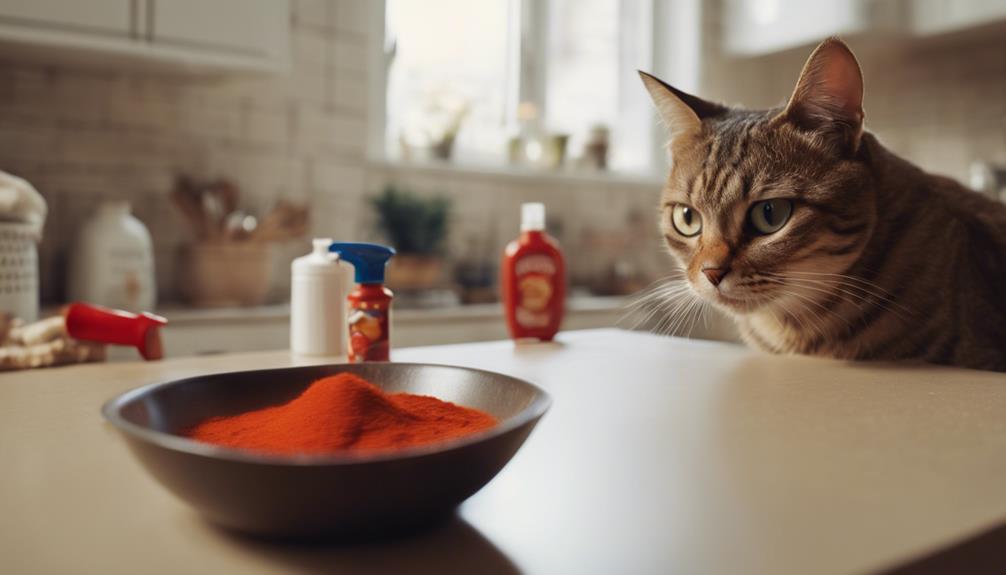
To protect your feline companions from paprika exposure, it is essential to store paprika-containing foods securely and out of their reach. Whether cooking or sharing food, always exercise caution to prevent cats from accessing paprika, a vital hazard in their environment.
Safe Storage Tips
Implementing proper storage techniques for paprika is essential to prevent inadvertent exposure to cats in the household. To safeguard your feline friends, follow these safe storage tips:
- Store paprika in sealed containers: Keep paprika in containers that are tightly sealed to avoid any spills or accidental ingestion by cats.
- Keep paprika out of reach: Store paprika in cabinets or high places where cats cannot access it easily.
- Consider childproof locks: Use childproof locks on cabinets containing paprika to prevent cats from opening them.
- Avoid leaving paprika unattended: Be mindful when cooking with paprika to prevent spills or leaving it in places where cats can reach it.
Hidden Sources in Food
Hidden within a variety of human culinary creations, paprika can inadvertently pose a risk to feline companions if not carefully monitored. This red powder, derived from hot peppers, is often found in seasoned meats, stews, soups, and snacks.
To prevent accidental exposure, it is important to check ingredient labels diligently and be cautious of cross-contamination in shared cooking spaces. Store paprika-containing items securely to prevent curious cats from accessing them.
While paprika offers health benefits for humans, such as antioxidant properties, it can be harmful to cats by damaging red blood cells. Educating household members about the dangers of paprika for cats is vital to ensure everyone remains vigilant in safeguarding the health of their feline friends.
Signs of Toxicity
Cats may exhibit symptoms of paprika toxicity, including drooling, vomiting, diarrhea, and behavioral changes, indicating potential ingestion of this harmful substance.
To prevent paprika exposure to cats, consider the following:
- Foods to Avoid: Keep foods that contain paprika, such as seasoned dishes or spicy snacks, away from your cat's reach.
- Food Poisoning Risk: Paprika contains compounds that can cause food poisoning in cats if ingested in significant amounts.
- Vet Visit: If you suspect your cat eats paprika or shows signs of toxicity, consult a vet immediately for guidance and treatment.
- Preventing Access: Safeguard your cat by storing paprika securely and ensuring it is not accessible to your pet to avoid accidental ingestion.
Safe Alternatives to Paprika
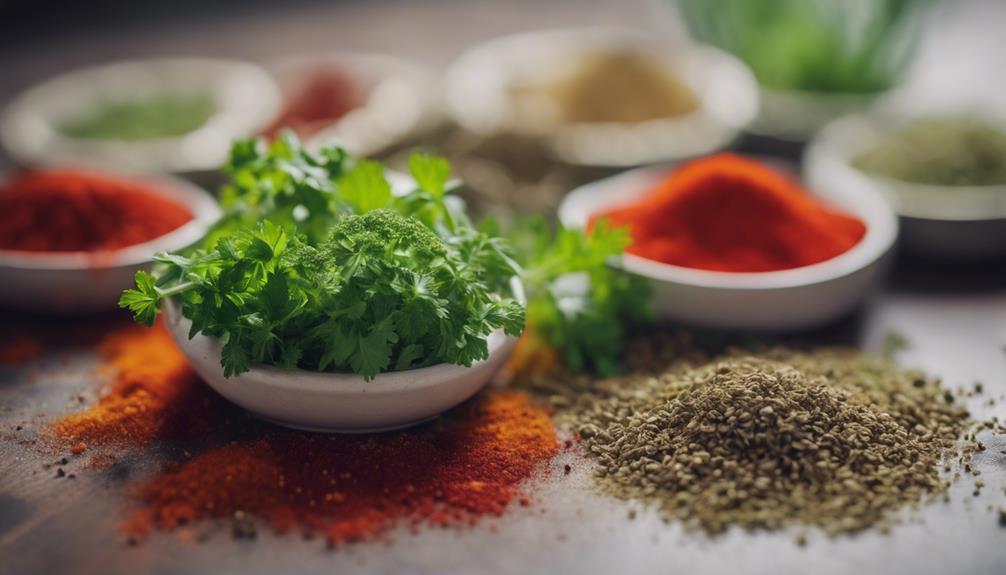
When considering suitable substitutes for paprika in a cat's diet, one can explore a range of safe alternatives that offer both nutrition and flavor.
Cats can safely enjoy plain cooked meats like chicken or turkey as alternatives to paprika. Boiled eggs can be a nutritious and safe option for cats instead of paprika seasoning.
Certain fruits like cooked apples or bananas can be a flavorful and safe alternative to paprika for cats. Cooked vegetables such as carrots or green beans can provide a variety of nutrients without the need for paprika. It’s important to ensure that any fruits or vegetables offered to cats are prepared plainly, without added spices, salt, or oils, as these can be harmful to their health. While exploring new treats for your feline friend, you may wonder, can cats safely eat papaya? In moderation, small amounts of ripe papaya can be a safe and nutritious treat for cats, as long as the seeds and skin are removed beforehand to avoid potential digestive issues.
Additionally, cat-safe herbs like catnip, basil, or dill can add flavor to cat food without the risks associated with paprika. These alternatives can provide a safe and enjoyable variety in a cat's diet without compromising their health.