Can Cats Get Pink Eye


Yes, cats can get pink eye, also known as conjunctivitis, characterized by inflamed conjunctiva. Symptoms include redness, eye discharge, and excessive blinking. Causes vary, from viral (feline herpesvirus, calicivirus) to bacterial (Chlamydophila felis), allergens, or foreign particles. Diagnosis involves clinical signs evaluation and specialized tests. Treatment depends on the cause, with antivirals, antibiotics, and anti-inflammatories commonly used. Certain cat breeds like Persians may be more susceptible. Prompt veterinary care is essential for proper diagnosis and treatment. Understanding the causes and symptoms can help ensure timely and appropriate care for cats with pink eye.
Pink Eye in Cats: Overview
Pink eye in cats, also known as conjunctivitis, is characterized by inflammation of the conjunctiva, affecting the eyes and surrounding pink tissues. Symptoms of this condition in felines include redness, swelling, excessive blinking, squinting, eye discharge, and behavioral changes such as pawing at the eyes. Pink eye in cats can be caused by a range of factors, including bacterial or viral infections, allergens, or irritants. Prompt veterinary attention is recommended to diagnose the underlying cause and initiate appropriate treatment. While addressing feline health concerns, pet owners might also wonder about unrelated topics like, can cats safely eat poptarts? It’s important to note that certain human foods, including poptarts, may not be suitable for cats due to their sugar content and artificial additives.
Causes of pink eye in cats can be viral (feline herpesvirus, calicivirus), bacterial (Chlamydophila felis), allergens, or foreign particles. Diagnosis involves evaluating clinical signs, medical history, and specialized tests like conjunctival cytology, cultures, blood tests, and fluorescein staining for corneal ulcers.
Treatment varies based on the cause and may include antiviral medications, antibiotics, and anti-inflammatory drugs. Prompt intervention is essential for a fast recovery and to minimize long-term effects on the feline's eye health.
Causes of Conjunctivitis in Felines
Common causes of conjunctivitis in felines include viral and bacterial infections. Viral infections such as feline herpesvirus and feline calicivirus, along with bacterial infections like Chlamydophila felis and Streptococci, are common culprits.
Additionally, non-infectious factors such as allergens, irritants (like dust or smoke), and genetics can also lead to conjunctivitis in cats. Certain breeds, like Persians and Himalayans, may have a higher risk.
It's important to note that conjunctivitis in cats can sometimes signal underlying conditions such as eye tumors. As a result, prompt veterinary evaluation is important to determine the cause and provide appropriate treatment for feline conjunctivitis.
Symptoms of Cat Pink Eye
What are the typical signs that indicate a cat may be suffering from pink eye? Here are some common symptoms to look out for:
- Red, swollen eyes
- Excessive blinking
- Squinting
- Fluid build-up
- Eye discharge
Behavioral changes like pawing at the eyes or rubbing the face may also suggest pain related to cat pink eye. Younger cats, especially kittens, and purebred cats are more prone to conjunctivitis. Recurring symptoms could signal underlying health issues requiring attention.
Prompt treatment by a veterinarian is essential for quick recovery and to minimize long-term effects on your feline friend's eye health. Preventive measures and identifying the infectious agents or underlying causes are essential aspects of managing cat pink eye effectively.
Diagnosing Pink Eye in Cats
Upon conducting a thorough physical examination, veterinarians can diagnose pink eye in cats by evaluating symptoms and examining the overall eye health of the feline patient. Special tests such as conjunctival cytology may be conducted to identify viral infections like feline herpesvirus, while cultures can help pinpoint bacterial infections such as feline chlamydophila. Blood tests may also be administered to assess the cat's immune system and general health. Additionally, fluorescein staining is utilized to detect corneal ulcers, which can be present in cases of feline conjunctivitis. These diagnostic tools aid in determining the underlying cause of the pink eye, guiding veterinarians in providing appropriate treatment for their feline patients.
| Diagnostic Tests | Purpose | Examples |
|---|---|---|
| Conjunctival Cytology | Identify viral infections like feline herpesvirus | Feline Herpesvirus |
| Cultures | Determine bacterial infections such as feline chlamydophila | Feline Chlamydophila |
| Blood Tests | Evaluate immune system and overall health of the cat | Immune System |
| Fluorescein Staining | Detect corneal ulcers present in cases of pink eye in cats | Corneal Ulcers |
Can Cats Have Abnormal Eye Colors Due to Pink Eye?
Yes, cats with purple eyes can have abnormal eye colors due to pink eye. Pink eye, or conjunctivitis, can cause inflammation and discoloration of the eyes. This condition can result in the eyes appearing red, pink, or even purple in some cases. If you notice any abnormal eye color in your cat, it’s important to consult a veterinarian for proper diagnosis and treatment.
Treatment Options for Feline Pink Eye
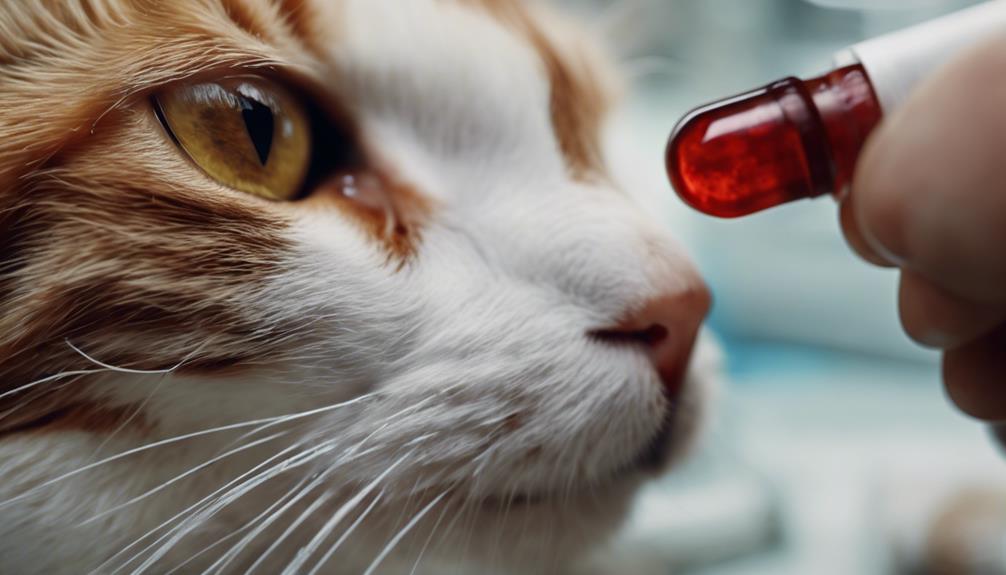
Treatment for feline pink eye typically involves targeted medications tailored to the specific underlying cause. This can range from antivirals for viral infections to antibiotics for bacterial sources, and anti-inflammatory agents for allergy-related cases.
- Antiviral medications, such as those used for feline herpesvirus infections.
- Antibiotics in the form of eye drops are common for bacterial causes.
- Anti-inflammatory medication is often prescribed for cases of allergy-related pink eye.
- It is important to avoid hydrocortisone in cats with corneal ulcers or herpesvirus-related pink eye.
- Prompt treatment is essential for fast recovery and to minimize long-term effects on a cat's eyes.