Can You Spay Cat In Heat


Spaying a cat in heat is not ideal due to physiological changes complicating surgery and increasing risks. It's advisable to wait a week or two after the heat cycle to reduce complications and surgical risks, preventing unwanted pregnancies and certain diseases. Consult your vet for guidance, as experienced professionals can tackle the bloodier procedure and monitor for uterine infections, ensuring your pet's health. Taking precautions and timing it right can benefit your cat's well-being. Understanding the process fully can help you make an informed decision for your furry friend's health and safety.
Understanding a Cat's Heat Cycle

Understanding a cat's heat cycle involves recognizing the behavioral and physical changes that indicate the cat is in a reproductive phase. Behavioral signs such as vocalization, rubbing against objects, assuming a mating position, and the lordosis position, where the cat crouches with the rear end raised, are common indicators.
Cats in heat may exhibit behavior changes that can sometimes be mistaken for pain, leading to confusion. Heat cycles typically last a few days to a week and can repeat every few weeks until the cat mates or the season ends.
Benefits of Spaying Cats in Heat
Spaying cats in heat provides essential benefits by preventing unwanted pregnancies and reducing the risk of reproductive diseases. By removing the female cat's ovaries and uterus, the heat-inducing hormones are eliminated, preventing the cat from going into heat cycles. This not only helps in controlling the pet population but also minimizes the risk of certain reproductive diseases.
Although spaying a cat in heat may present challenges due to enlarged blood vessels, experienced veterinarians commonly perform this procedure to guarantee the well-being of the cat. Timing the spaying during the first heat cycle can effectively manage the hormonal changes in the cat, making it a practical choice for both the owner and the feline companion.
Risks Associated With Spaying in Heat

Performing spaying surgery on a cat in heat poses challenges due to the physiological changes in the uterus and cervix that can complicate the procedure. During heat, the blood vessels around the ovaries and uterus become engorged, making the surgery more demanding. This may result in a slightly bloodier procedure due to the increased vascularity.
Additionally, spaying in heat is a demanding procedure as the reproductive system takes longer to recover post-surgery. Experienced veterinarians are vital when considering spaying during heat to mitigate the risks associated with the surgery. It is essential to weigh the benefits against the risks and ensure the procedure is conducted with utmost care and expertise.
Timing for Spaying During Heat
Optimizing the timing for spaying a cat during heat is essential to minimize surgical risks and guarantee a successful procedure. Waiting a week or two after the heat cycle is ideal to spay a cat in heat, as cats can quickly go into heat again. Timing is vital to reduce complications associated with spaying during heat, especially due to engorged blood vessels in the reproductive organs.
Consulting with a vet is advisable to determine the best time for spaying a cat showing signs of heat. Spaying a cat while in heat requires careful consideration to make sure the procedure is as safe as possible, making the timing of the spaying process a critical factor for the well-being of the cat.
Is It Safe to Spay a Pregnant Cat?
The spaying pregnant cat procedure is generally not recommended because of the potential risks to the mother and her unborn kittens. The safest option is to wait until after the kittens are born and weaned before having the cat spayed. It’s important to consult with a veterinarian for expert advice in these situations.
Precautions to Take When Spaying
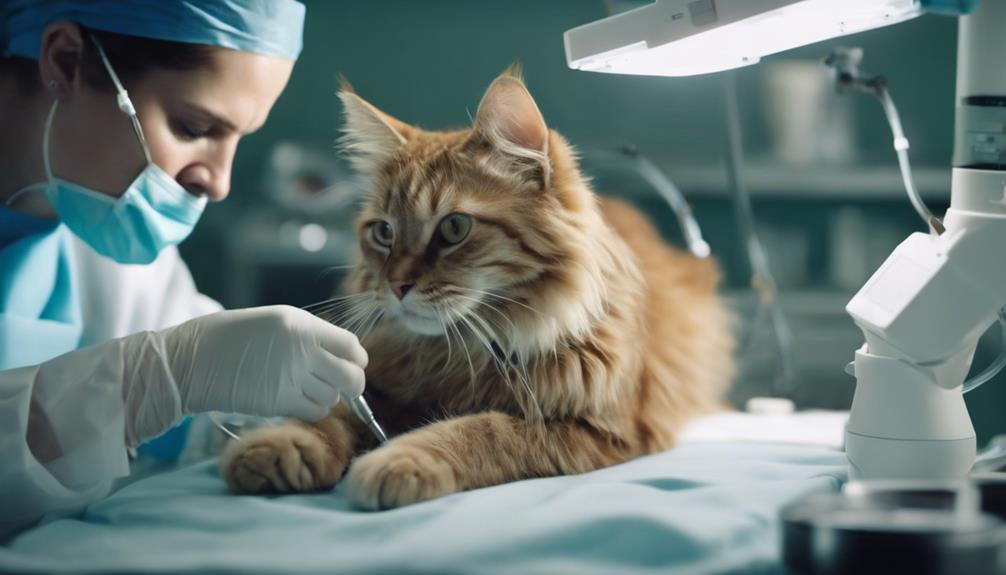
What considerations should be taken into account to guarantee a safe and successful spaying procedure for a cat in heat? When preparing to spay a cat that is in heat, there are several precautions to guarantee the well-being of the animal and the success of the spaying procedure.
- Consult Your Veterinarian: Before proceeding with the spaying process, consult your veterinarian to discuss the best course of action for a cat in heat.
- Address Engorged Blood Vessels: Be prepared for a slightly bloodier surgery due to the cat being engorged with blood during heat.
- Watch for Uterine Infections: Monitor the cat post-surgery for any signs of uterine infection, as the thickening of the uterus during heat can increase the risk.
- Prevent Unwanted Litters: Spaying during heat, although possible, is recommended to prevent unwanted litters and maintain your pet's health.