Can Your Cat Be Allergic To Humans


Cats can be allergic to humans. Symptoms like sneezing, skin problems, and respiratory issues may indicate an allergy to proteins in human skin cells. Veterinary diagnosis is essential through skin or blood allergy tests to confirm these allergies. Treatment options include allergy shots to desensitize the immune system and medications for relief. Detailed testing helps identify specific allergens such as mold or pollen, aiding in tailored treatment plans. Consulting a veterinarian is vital for proper management strategies. Monitor your cat's well-being closely for allergic reactions, and explore various treatment options for their health.
Human Dander Allergies in Cats
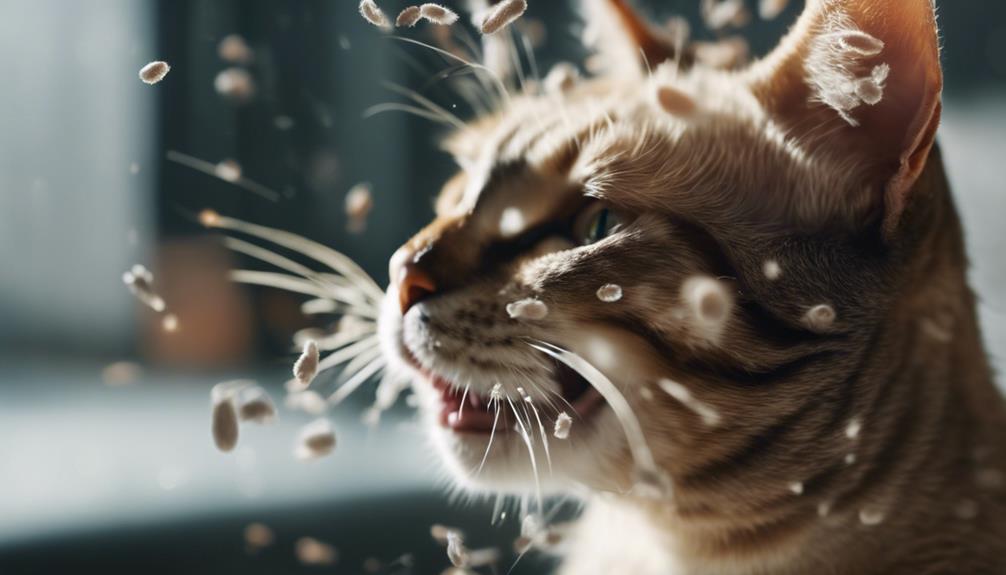
Allergies in cats caused by human dander, though uncommon, can pose health concerns that require veterinary attention.
Just like humans can be allergic to pet dander, cats can also develop allergies to human dander. When a cat is allergic to humans, it means their immune system overreacts to proteins found in human skin cells. This can lead to various symptoms such as sneezing, increased grooming, and skin problems.
In severe cases, allergic reactions to human dander in cats can result in respiratory issues or exacerbated skin conditions. To diagnose allergies to human dander in cats, veterinarians may conduct skin or blood allergy tests to determine the specific triggers and recommend appropriate treatment strategies to alleviate the cat's discomfort.
Symptoms of Cat Allergies to Humans
When cats are allergic to humans, they may exhibit various symptoms indicating their immune system's adverse reaction to proteins found in human skin cells. These symptoms can include sneezing, coughing, wheezing, or watery eyes.
Additionally, skin reactions such as itching, redness, or hives may be present in cats allergic to humans. Behavioral changes like increased grooming or avoidance of human contact can also signal a cat's allergy.
Respiratory issues such as difficulty breathing or nasal congestion are common signs as well. It is essential to seek veterinary diagnosis to confirm if a cat is allergic to humans and to determine the appropriate treatment to manage their symptoms effectively.
Diagnosis and Testing for Cat Allergies

Diagnosis and testing for cat allergies typically involve essential procedures to identify specific allergens triggering adverse reactions in feline patients. Allergy testing for cats may include skin tests where small amounts of allergens are injected into the skin or blood tests to pinpoint specific triggers.
Cats can be allergic to various substances besides human dander, such as mold or pollen. Symptoms of cat allergies to humans can manifest as sneezing, skin problems, and respiratory issues. Veterinary diagnosis plays an important role in accurately identifying and treating cat allergies.
Testing is essential to determine the exact allergens causing reactions in cats, facilitating the development of effective treatment plans tailored to each feline patient's needs.
Treatment Options for Feline Allergies
Treatment options for feline allergies may vary depending on the severity of the symptoms and the specific allergens affecting the cat. Allergy shots, also known as immunotherapy, can be used to desensitize the cat's immune system to the allergen over time, reducing allergic reactions.
Veterinarians may prescribe anti-allergy medications such as Apoquel to alleviate symptoms like itching and inflammation. For milder cases, over-the-counter antihistamines can help manage symptoms. Omega-3 fatty acid supplements are beneficial for addressing skin problems associated with feline allergies.
Additionally, topical therapies like creams and lotions can provide relief for skin issues. It's essential to consult with a veterinarian to determine the most suitable treatment plan for your cat's specific allergy needs.
Allergy Shots for Cats
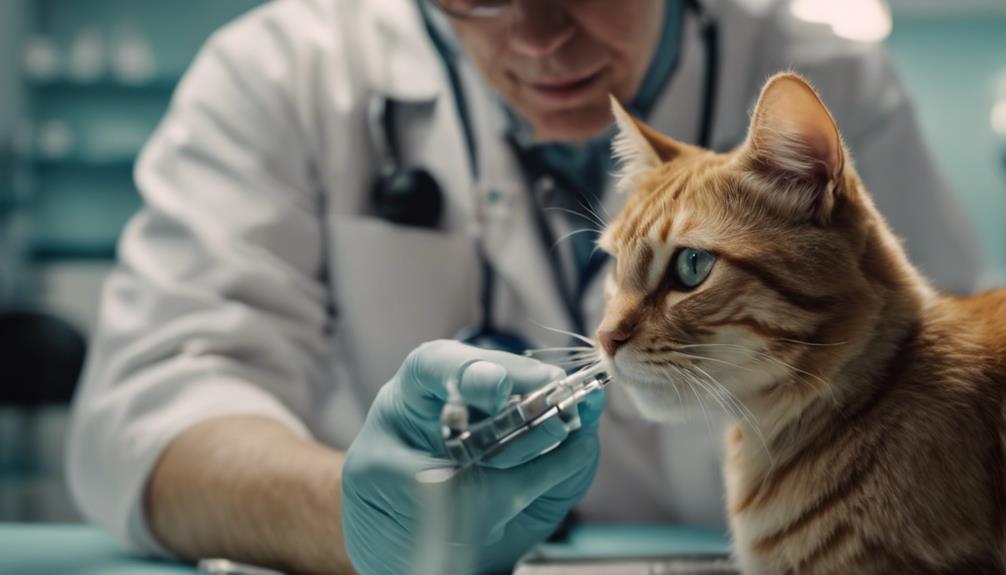
Allergy shots, also known as immunotherapy, involve administering small amounts of allergens to desensitize the immune system of cats. This process helps cats build tolerance to specific allergens over time, reducing allergic reactions.
Allergy shots are a long-term treatment option for managing allergies in cats, including those that may be allergic to people. Veterinary guidance is essential for determining the appropriate allergens to include in the shots, as each cat's allergies can vary.
Regular administration of allergy shots can lead to reduced symptoms and an improved quality of life for allergic cats. By gradually exposing the cat to allergens, the immune system can learn to tolerate them, resulting in fewer allergic responses over time.
Anti-Allergy Medications for Cats
When addressing feline allergies, veterinarians may recommend prescribing anti-allergy medications like Apoquel to alleviate symptoms in cats. These medications can help reduce itching, inflammation, and other discomfort caused by allergies in cats.
Apoquel works by targeting specific pathways in the immune system that are responsible for allergic reactions. It is essential to follow the veterinarian's instructions carefully when administering these medications to guarantee the safety and well-being of the cat.
While Apoquel is effective for managing allergies in cats, it is vital to consult with a veterinarian to determine the most suitable treatment plan based on the cat's specific condition. Additionally, it's noteworthy that while cats can be allergic to dogs, it is less common for them to be allergic to humans.
Omega-3 Supplements for Feline Allergies
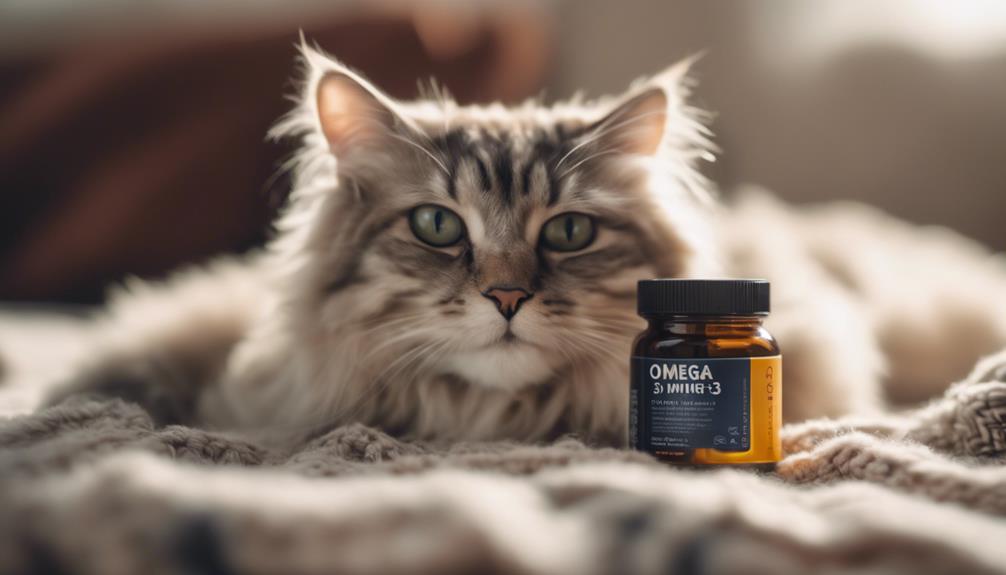
Omega-3 supplements are known to be beneficial for cats with allergies, particularly in alleviating skin issues and improving overall health. These supplements contain omega-3 fatty acids, which have anti-inflammatory properties that can help allergic cats maintain a healthy skin barrier.
It is essential to consult a veterinarian to determine the appropriate dosage and administration of Omega-3 supplements for feline allergies.
Omega-3 Benefits
Supplementing a cat's diet with omega-3 fatty acids has been shown to effectively manage feline allergies by reducing inflammation and promoting skin health. Omega-3 benefits for feline allergies include improving allergic skin conditions and enhancing the skin barrier function in cats with allergies.
These fatty acids derived from sources like fish oil can help decrease itching and scratching commonly associated with allergic reactions in cats. By incorporating omega-3 supplements, pet owners can support their cat's skin health, leading to a healthier coat and a reduction in allergic skin reactions.
Dosage Recommendations
Incorporating the appropriate dosage of omega-3 supplements is essential for effectively managing feline allergies and promoting skin health in cats. Here are some key points to keep in mind when dosing Omega-3 supplements for your cat's allergies:
- Recommended Dosage: Typically, the recommended dosage of Omega-3 supplements for feline allergies ranges from 50-100mg per day.
- Skin Benefits: Omega-3 fatty acids can help reduce inflammation and improve skin conditions in cats even though they may be allergic.
- Consult a Veterinarian: It's important to seek advice from a veterinarian for specific dosage recommendations tailored to your cat's individual needs.
- Overall Health Support: Omega-3 supplements can support the immune system and overall health in cats with allergies.
Topical Therapies for Cat Allergies
Topical therapies tailored to address skin-related manifestations of cat allergies play an important role in alleviating discomfort and promoting skin health in allergic felines. These therapies, such as creams, lotions, and omega-3 fatty acid supplements, are designed to reduce itching, redness, and inflammation on the skin of cats with allergies. By incorporating these topical treatments into a thorough allergy management plan, pet owners can help improve their cat's skin condition and overall well-being. However, it is essential to consult with a veterinarian to determine the most effective topical therapy for your cat's specific allergy needs. Here is a table highlighting some common topical therapies for cat allergies:
| Topical Therapy | Description | Benefits |
|---|---|---|
| Creams and Lotions | Applied directly to the affected skin | Reduce itching and redness |
| Omega-3 Supplements | Administered topically or orally | Improve overall skin health |
| Medicated Shampoos | Used during baths to soothe the skin | Provide relief from inflammation |
Consulting a Veterinarian for Cat Allergies

When seeking guidance on managing cat allergies to humans, consulting a veterinarian is imperative for accurate diagnosis and tailored treatment recommendations. Here are four key reasons why involving a veterinarian is essential:
- Specialized Knowledge: Veterinarians have the expertise to differentiate between allergy symptoms and other health issues in cats allergic to humans.
- Customized Treatment Plans: They can recommend specific treatments like allergy shots or oral drops tailored to your cat's needs.
- Immune System Retraining: Veterinarians can oversee techniques to retrain the cat's immune system to minimize allergic reactions to human dander.
- Allergy Testing: Through allergy testing, veterinarians can pinpoint the specific allergens triggering reactions in your cat, facilitating effective management strategies.
Can a Cat’s Allergy to Humans Affect Your Health?
It’s a common belief that humans are the ones who are allergic to cats, but did you know that cats can also be allergic to humans? Although rare, it’s possible for a cat to be allergic to humans, and their reactions can range from sneezing and coughing to itching and digestive issues. However, there is no evidence to suggest that catching cold from cats can affect human health.
Ensuring Your Cat's Well-being
Ensuring the best well-being of your cat involves diligent monitoring and tailored management strategies for any potential allergies, including reactions to human dander. While it is not common for cats to be allergic to humans, when it occurs, allergic reactions may manifest as skin issues, respiratory problems, or behavioral changes.
If you suspect your cat is allergic to human dander, it is essential to seek veterinary care. Treatment options such as allergy shots, antihistamines, or topical therapies can help alleviate symptoms. Regular veterinary check-ups are essential to monitor your cat's condition and adjust the treatment plan accordingly.