Do All Cats Knead


Cat kneading is a common behavior displayed by many felines. It is influenced by kittenhood instincts and serves various purposes. Reasons include comfort, muscle stretching, territory marking, and affection display. Factors like genetics, environment, age, and surface texture can affect kneading frequency. Not all cats knead, but it is often a sign of contentment and bond strengthening between cats and humans. Understanding the reasons behind this behavior can deepen your connection with your furry friend and enhance your relationship. More insights into cat kneading can illuminate the fascinating world of feline communication and behavior.
Common Reasons for Cat Kneading
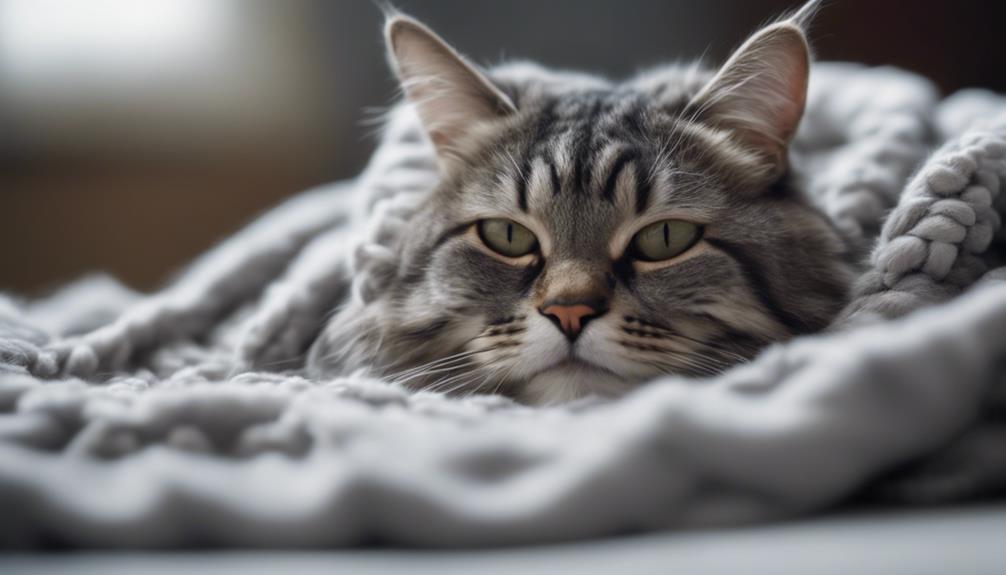
While the act of kneading is a common behavior exhibited by many cats, there are specific reasons behind this feline behavior. Cats knead by pushing in and out with their paws, alternating between left and right. This behavior is often linked to kittenhood when they knead their mother's belly to stimulate milk flow.
Even as adults, cats may continue to knead soft surfaces like blankets or pillows due to the comfort it provides. Kneading also helps cats stretch their muscles and release tension. Additionally, by using their claws while kneading, cats mark their territory with scent glands located in their paw pads.
Sometimes, kneading is a way for cats to show affection towards their owners or other pets in the household.
Kneading Behavior in Cats Explained
Kneading behavior in cats, a common feline trait, serves multiple purposes and is influenced by various factors such as genetics and environment. Cats knead by pushing in and out with their paws against soft objects, often accompanied by purring. This instinctual behavior is typically seen in kittens during nursing, suggesting a link to seeking comfort and nourishment. While it can be a sign of affection, cats may also knead when they are feeling content, marking their territory with scent glands located in their paw pads. Factors like genetics and individual personality play a role in determining how often a cat kneads. Not all cats knead, but for many, it is a natural behavior deeply rooted in their instincts.
| Factors Influencing Cat Kneading | Examples |
|---|---|
| Genetics | Breed predispositions |
| Environment | Type of surfaces available |
| Personality | Comfort levels |
| Age | Kittens vs. adult cats |
| Health Status | Stress-related behaviors |
Understanding the Purpose of Cat Kneading
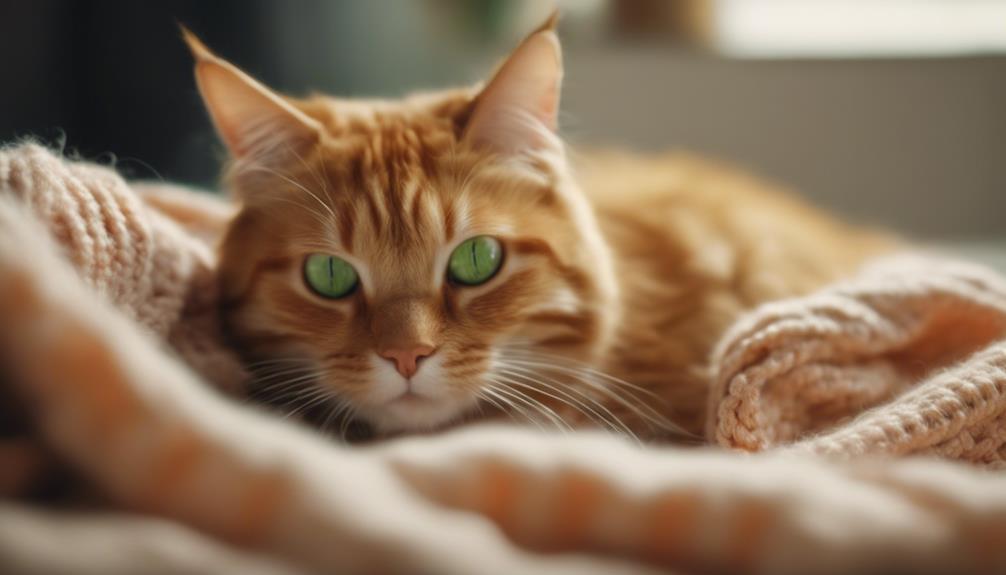
Kneading is a common behavior in cats, with various reasons behind this action. Cats may knead as a way to show comfort and relaxation, stemming from their kittenhood instincts.
Understanding the purpose of cat kneading can shed light on the deep-rooted behaviors of our feline companions.
Kneading and Comfort
Cats display the behavior of kneading as a means to evoke feelings of comfort, safety, and relaxation. When cats knead, they instinctively release the Feliway® pheromone, which aids in creating a sense of security and well-being. This repetitive motion helps cats stretch their muscles, promoting circulation and relieving tension.
The act of kneading dates back to kittenhood, where they knead their mother's belly to stimulate milk flow and create a bond. As adult cats, this behavior persists as a way to self-soothe and feel content. Understanding the connection between cats kneading and seeking comfort sheds light on the importance of this instinctual behavior in their daily lives.
Instinctual Behavior Explained
The behavior of kneading in cats serves as a deeply ingrained instinctual response that originates from their earliest stages of development. Initially observed in kittens as a way to stimulate milk production from their mother, cat kneading persists into adulthood in many felines, particularly in domestic cats.
Adult cats may knead for various reasons, including showing affection, marking territory, or simply seeking relaxation and stress relief. This repetitive motion, where cats push their paws in and out against a soft surface, helps them feel calm, secure, and comfortable.
Understanding the instinctual purpose of cat kneading can enhance the bond between cats and their human companions, providing insight into this common and endearing feline behavior.
Factors Influencing Cat Kneading
What influences a cat's tendency to engage in the behavior of kneading?
Several factors play a role in determining whether a cat will exhibit this behavior. Age is a significant factor, with kittens being more likely to knead due to their nursing instincts. Adult cats may knead to show affection or mark their territory.
The texture of the surface can also influence kneading, as cats prefer soft surfaces for this behavior. Cats' claws play a role as well, as they use them to rhythmically push in and out while making biscuits.
Scent glands in their paws release pheromones, making kneading a way for cats to communicate with others. The environment and the cat's mood, such as feeling relaxed or content, also impact how often a cat will knead.
Impact of Cat Kneading on Human-Cat Bond
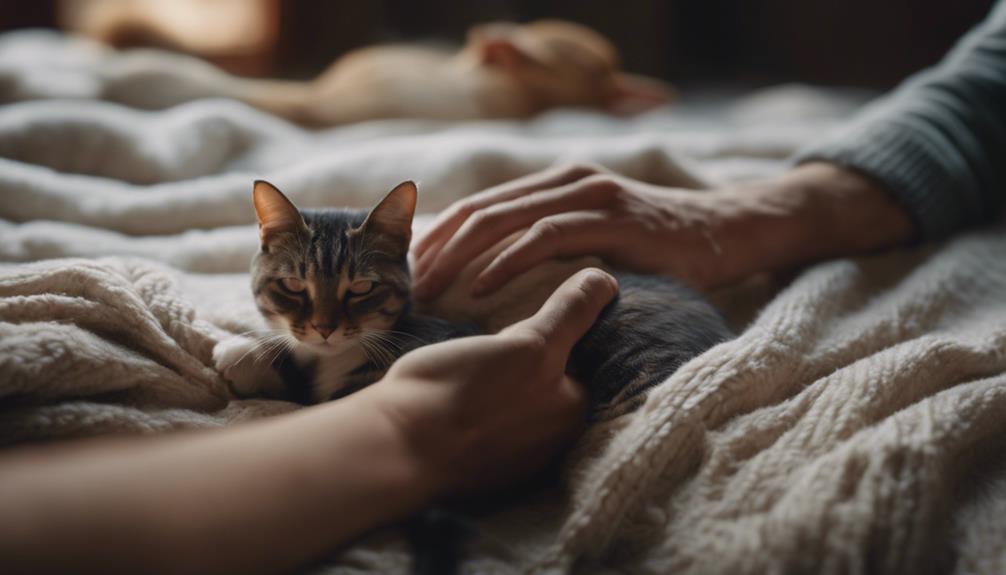
Enhancing the bond between humans and cats, cat kneading serves as a natural expression of affection and trust. Cat kneading, where the cat makes rhythmic motions with their paws against a surface, can be a sign that your cat is kneading to show love and comfort.
This behavior, whether your cat is kneading on your lap or a soft blanket, is often a way for cats to establish a sense of security and closeness with their human companions. Understanding that cat kneading can have both medical or behavioral reasons is important in appreciating this gesture.
While some cats may use their claws during kneading, it is essential to provide appropriate surfaces for them to knead on to prevent any unintentional harm. By acknowledging and reciprocating this behavior, the human-cat bond can strengthen, promoting a harmonious relationship.
Does Kneading Behavior in Cats Lead to Furniture Scratching?
While kneading behavior in cats is a natural instinct, it doesn’t directly lead to furniture scratching. However, reasons cats scratch furniture can include territorial marking, stress relief, and nail maintenance. Providing appropriate scratching posts and regular nail trimming can help redirect this behavior.
Managing and Appreciating Cat Kneading
Understanding the reasons behind cat kneading behavior can aid in effectively managing and appreciating this unique feline expression. Cats, particularly kittens, inherit the instinct to knead from mother cats during nursing, where the action stimulates milk flow.
Adult cats may knead to show affection, mark territory, or simply as a comforting behavior. Providing a plush blanket or soft surface for your kneading cat can enhance their sense of comfort and relaxation. This rhythmic motion not only benefits the cat but can also strengthen the bond between the cat and its owner.