Do Big And Wild Cats Like Catnip


Big and wild cats like leopards, cougars, Siberian lynx, and bobcats have positive responses to catnip, showing different levels of interest. Tigers may react variably to catnip, servals can consume it or exhibit protective behaviors, and individual preferences exist. Observing their interactions with catnip provides insights into their enrichment. These majestic predators display unique personalities affecting their reactions to stimuli. Research on catnip benefits for big cats is ongoing, studying factors like time, brands, and enrichment effects. More information is available on big cats' diverse responses to catnip, offering valuable insights.
Understanding Big Cats' Reactions to Catnip
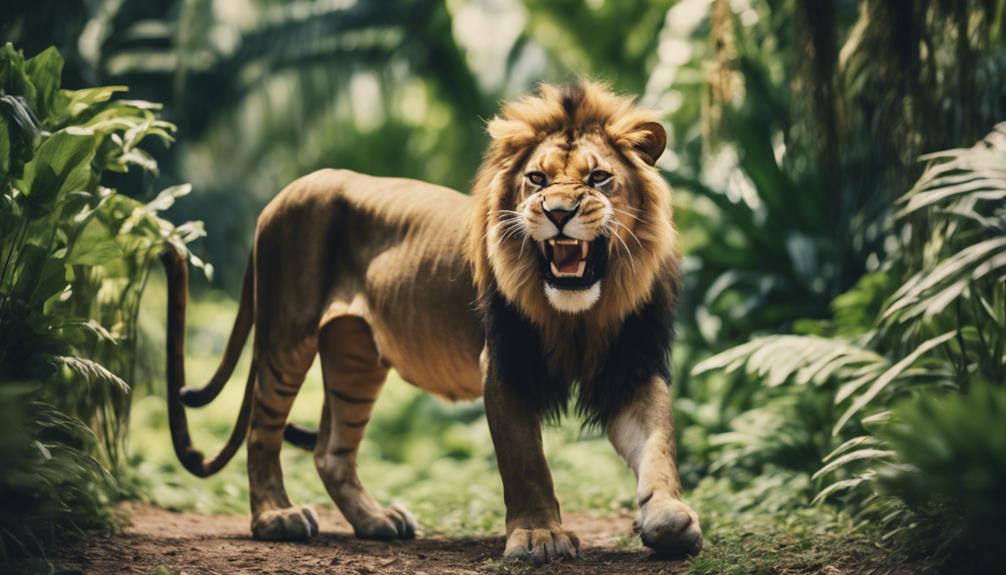
Big cats' reactions to catnip vary among species. Leopards, cougars, Siberian lynx, and bobcats typically display positive responses, often showing playful behaviors when exposed to the herb. Tigers show mixed reactions, with some showing interest while others remain indifferent. Servals exhibit diverse behaviors towards catnip, sometimes consuming it or displaying protective behaviors. The reactions of big cats to catnip can vary widely, with some individuals showing a strong preference for it as an enrichment item, while others may not be as interested.
Types of Big Cats That Enjoy Catnip
Several types of big cats have shown positive reactions to catnip in studies, including leopards, cougars, Siberian lynx, and bobcats. Tigers, on the other hand, have displayed varied responses to catnip, with some showing interest while others remain indifferent.
Servals have also exhibited interest in catnip, with some even snacking on it or guarding it during experiments.
Catnip-Loving Big Cats
Leopards, cougars, Siberian lynx, and bobcats have all exhibited positive reactions to catnip, showcasing a shared affinity for this aromatic herb among certain types of big cats. At Big Cat Rescue, these majestic felines have been observed enjoying and interacting with catnip in various ways.
While servals have been seen snacking on catnip or guarding it possessively, tigers have shown mixed responses, with some displaying interest in the herb. Specific big cats like Joseph have recently demonstrated positive reactions to catnip during tests.
Remarkably, leopards have shown particularly strong and favorable responses to catnip, highlighting the diverse reactions among different species of big cats towards this beloved herb.
Catnip Preferences Among Species
Among the various species of big cats, preferences for catnip have been observed, shedding light on the diverse reactions exhibited by these majestic felines towards this aromatic herb. Leopards, cougars, Siberian lynx, bobcats, and servals have shown positive responses to catnip, often displaying playful behaviors.
Tigers, on the other hand, have shown varied reactions, with some displaying interest while others remain indifferent. Notably, some older cats among these species have shown a heightened interest in catnip, indicating a potential age-related preference for this herb. Individual personalities also play a role, with some big cats choosing to snack on catnip while others guard it possessively.
Future studies may investigate the impact of factors like time of day and different catnip brands on big cats' responses.
Factors Influencing Big Cats' Preferences
Studies have revealed a range of factors that influence the preferences of big cats towards catnip, shedding light on their varying reactions and behaviors. Different big cats, such as leopards, cougars, Siberian lynx, and bobcats, have shown positive responses to catnip.
Some, like servals, may choose to consume catnip or guard it rather than engage in play. Tigers, exemplified by Shere Khan and Alex, exhibit diverse reactions to catnip, suggesting individual inclinations. Leopards, among others, display intense reactions to catnip, underscoring their attraction to the herb.
Factors like the time of day, season, and variations in catnip brands are being considered in future studies to explore further into big cats' preferences and behaviors, including those in cat rescues.
Observing Big Cats With Catnip Enrichment
In examining the impact of catnip enrichment on big cats, notable variations in their responses and behaviors have been observed. Leopards, cougars, Siberian lynx, and bobcats have shown positive reactions to catnip, while servals have been seen snacking on it or guarding it during interactions. Tigers, on the other hand, have displayed mixed responses, with some showing interest.
Specific big cats like Joseph have recently exhibited positive reactions to catnip in tests. These observations suggest variability in big cats' responses, with some showing strong reactions, while others have different preferences. Understanding these diverse reactions is essential in providing effective enrichment for big cats in captivity, enhancing their well-being and quality of life.
Unique Personalities of Big Cats
After observing the varied reactions of big cats to catnip enrichment, it is evident that each cat exhibits unique personalities that influence their interactions with enrichment items.
Just like domestic cats, big cats such as Max and Jade showcase playful tendencies by engaging with most enrichment items. Leopards, cougars, Siberian lynx, and bobcats also display individual preferences, reacting positively to catnip.
Servals exhibit distinct behaviors like snacking on or guarding catnip, highlighting their unique approach. Joseph's positive response to catnip underscores his enjoyment of the herb.
Additionally, Purr-sonality and Rose's fondness for shredding paper bags emphasizes their specific interests in enrichment activities. These observations affirm that big cats, like their smaller domestic counterparts, possess diverse personalities that shape their interactions with enrichment stimuli.
Catnip's Effects on Majestic Predators
Catnip has been observed to elicit strong positive responses in majestic predators such as tigers, lions, and lynx. These big cats enjoy catnip similarly to domestic felines. Some key points about catnip's effects on majestic predators include:
- The capacity for enjoying catnip in big cats is hereditary.
- Catnip is not harmful in moderation for big cats and can be used as enrichment.
- Leopards, cougars, and Siberian lynx have shown positive reactions to catnip.
- Catnip can elicit playful and engaging behaviors in big and wild cats.
- It serves as a valuable tool for enrichment and behavioral research in these majestic predators.
Enriching Big Cats' Captive Environments
Stimulating the senses and promoting mental engagement in captive big cats, enriching their environments with catnip offers a valuable avenue for enhancing their overall well-being.
Catnip can encourage playful behaviors, leading to increased physical activity and exercise among big cats in captivity. Additionally, providing catnip can help reduce stress and anxiety levels, contributing to the improvement of their quality of life.
Observing big cats' reactions to catnip not only offers insights into their preferences but also helps in identifying their enrichment needs. By incorporating catnip into enrichment activities, caretakers can create a more stimulating and enjoyable environment for big cats, promoting their mental and physical health while enhancing their overall welfare in captive settings.
Do Domestic Cats and Big Cats React the Same Way to Catnip?
Yes, both domestic cats and big cats react to catnip in a similar way. The active ingredient in catnip, called nepetalactone, stimulates the receptors in cats’ brains, resulting in behaviors like rolling, rubbing, and heightened playfulness. It seems that big cats and catnip have the same effect as with our smaller house cats.
Future Studies on Big Cats and Catnip
Future studies on big cats and catnip will explore the effects of catnip on these majestic creatures. Their specific preferences for various types of catnip will be investigated, along with the potential benefits that catnip may offer them.
By investigating these areas, researchers aim to gain a deeper understanding of how catnip influences big cats' behaviors and overall well-being. This research will pave the way for more informed care and enrichment strategies in captivity.
Stay tuned for updates on the latest findings in this exciting field of study.
Catnip Effects on Big Cats
In recent studies examining the responses of large felines such as leopards, cougars, and Siberian lynx to catnip, consistent positive reactions have been observed.
While tigers have shown mixed responses, with some displaying interest and others not reacting as strongly, servals may enjoy snacking on catnip or guarding it as part of their interaction with the herb.
Future studies may explore variables like the time of day, different brands of catnip, and other factors influencing big cats' responses to catnip. Continued research aims to enhance understanding of big cats' behaviors and preferences towards catnip for further insights into their enrichment.
Catnip Preferences of Cats
Exploring the nuanced preferences of big cats towards catnip holds promise for further illuminating their interactions with this herb and shedding light on their behavioral responses.
Studies have shown that leopards, cougars, Siberian lynx, and bobcats generally react positively to catnip, while servals have displayed interest by either snacking on it or guarding it.
Tigers, on the other hand, have shown mixed responses, with some displaying interest and others not reacting as strongly.
Future research may investigate variables such as the time of day and year, as well as different brands of catnip, to gain a deeper understanding of big cats' preferences. Additionally, researchers aim to conduct more thorough studies to enhance knowledge of big cats' behaviors and interactions with catnip.
In observations, some big cats have shown curiosity towards catnip placed in a paper bag, indicating varying reactions within this group.
Catnip Potential Benefits
Research into the potential benefits of catnip for big cats is positioned to uncover valuable insights into their behavior and well-being.
Future studies may explore variables like the time of day and year to understand their reactions better. Consideration of different brands of catnip could also play a role in determining big cats' preferences.
More in-depth studies are needed to investigate further into big cats' responses to catnip and their behavior.
Subscribing to the channel providing updates on future studies indicates a commitment to expanding knowledge on big cats and catnip.
Additionally, exploring additional factors influencing big cats' reactions to catnip in future research could enhance understanding and insights.