Do Big Cats Like Catnip


Big cats, like tigers and lions, have varied responses to catnip. Their reactions can range from playful interactions to indifference. This diversity is influenced by genetic makeup and individual sensitivity levels. Some big cats may show more interest and playfulness than others when exposed to catnip. Understanding these variations provides insights into the preferences and behaviors of big cats. Factors like genetic makeup play a significant role in how they respond to catnip. For a deeper understanding of how catnip affects big cats, explore the nuances in their reactions and sensitivities.
Catnip Fascination Among Big Cats
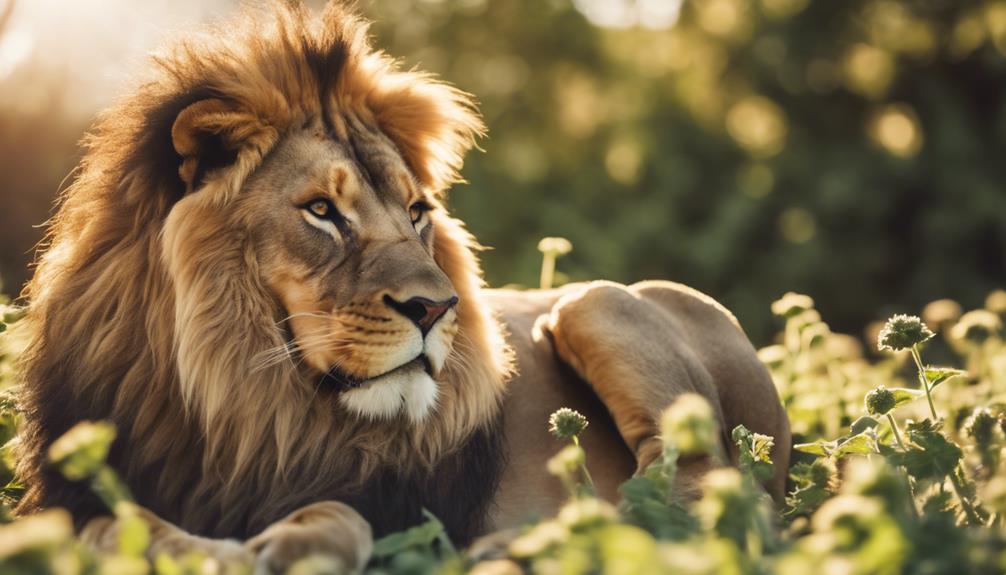
Big cats, including tigers, lions, and lynx, exhibit a notable fascination with catnip, showcasing varying levels of interest and reactions. Catnip, a herb from the mint family, contains nepetalactone, a compound that triggers a unique response in these large felines.
When exposed to catnip, big cats may rub against it, roll around, or exhibit playful behaviors. This fascination with catnip can provide sensory stimulation and enrichment, especially for less active big cats.
The reactions to catnip among different species of big cats can vary, with some showing more interest than others. Overall, catnip serves as a safe and enjoyable tool for brightening the day of big cats, offering a fun and engaging experience that contributes positively to their well-being.
Different Reactions to Catnip
Big cats, including tigers and lions, exhibit diverse reactions to catnip. Some show more interest and playfulness than others. Factors like species and individual sensitivity play a role in determining how a big cat may respond to catnip.
Understanding these variations can provide valuable insights into the preferences and behaviors of these majestic animals when exposed to this unique plant.
Catnip Effects on Cats
Varied reactions to catnip among cats reflect individual sensitivities to the herb, with some displaying pronounced responses while others show little interest due to genetic factors affecting their receptiveness to Nepetalactone.
When exposed to catnip, cats may exhibit behaviors such as rolling, rubbing, or vocalizing, indicating their sensitivity to the herb. Sensitivity to catnip is genetic, with some cats inheriting a strong response while others show little to no interest.
Cats that do not react to catnip lack specific receptors to Nepetalactone, the active compound in catnip. The diverse reactions to catnip highlight the individual preferences and genetic makeup of cats when it comes to this herb.
Catnip Sensitivity Variations
Differences in cats' responses to catnip reflect a spectrum of sensitivities influenced by genetic makeup and environmental factors. Big cats, such as tigers and lions, may show varying reactions to catnip, with some displaying more pronounced responses than others. Genetic factors play a role in determining an individual cat's sensitivity to catnip, while environmental enrichment can also affect their interest in this herb.
Tigers and lions, for example, are more inclined to engage in playful behaviors when exposed to catnip compared to other big cat species. Recognizing these catnip sensitivity variations is essential in providing tailored enrichment activities for different big cat individuals, ensuring their well-being and mental stimulation in captivity. By understanding these nuances, caretakers can enhance the quality of life for big cats under their care.
Enrichment Benefits of Catnip
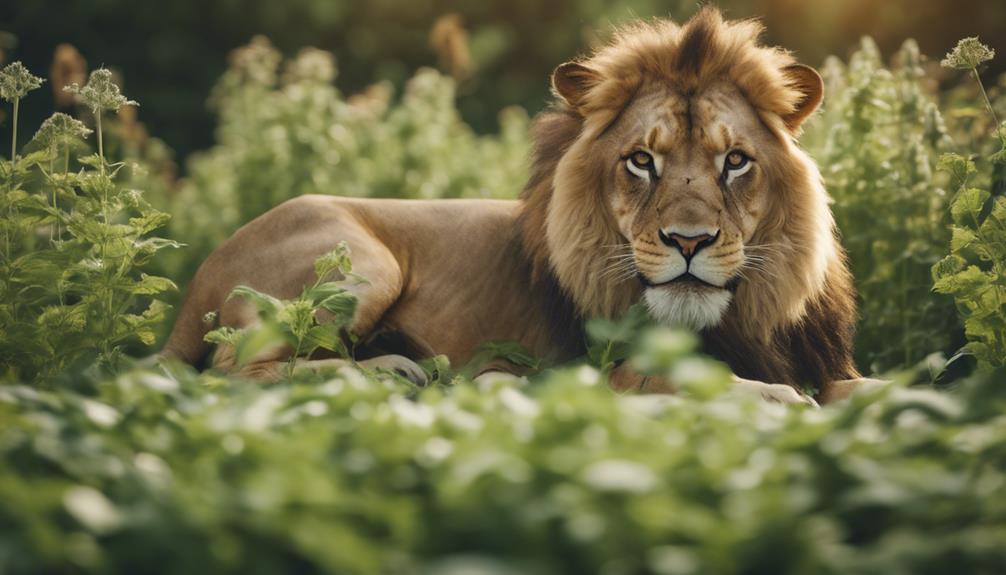
Catnip offers enrichment benefits to big cats by stimulating their behavior and encouraging play.
Providing a source of sensory excitement, catnip enhances the daily routine of big cats in captivity.
Offering catnip as a form of enrichment promotes mental and physical well-being, contributing to the overall happiness of these majestic animals.
Catnip and Behavior
Catnip's enriching effects on the behavior of big cats manifest through the stimulation of their senses and the encouragement of playful interactions. When big cats enjoy catnip, they may exhibit behaviors like chewing, rolling, or rubbing on it, showing a keen interest in the herb. Offering catnip can help promote activity and mental stimulation in less active big cats, potentially brightening their day and providing a fun experience. Using catnip as an enrichment tool is safe and enjoyable for big cats, enhancing their overall well-being.
- Catnip stimulates the senses and encourages playfulness.
- Big cats enjoy engaging with catnip through various behaviors.
- Catnip promotes activity and mental stimulation in less active big cats.
- Offering catnip can brighten the day and provide an engaging experience.
- Using catnip is safe and enhances the well-being of big cats.
Catnip for Play
Enhancing the playtime experience for big cats, catnip serves as a valuable tool in promoting enrichment and physical activity. When it comes to older cats, catnip can be especially beneficial in encouraging them to engage in play and exercise, keeping their minds sharp and bodies active.
The stimulating effects of catnip can reignite a sense of curiosity and excitement in less active big cats, providing them with a sensory experience that enriches their environment. By incorporating catnip into their daily routine, caregivers can offer a vital and enjoyable way for big cats to stay mentally and physically stimulated.
Interaction With Catnip Toys
Big cats, such as tigers, lions, and leopards, often display engaging behaviors when interacting with catnip toys, showcasing a range of playful and curious actions. When given catnip toys, these majestic felines may exhibit behaviors like chewing, rolling, and rubbing on the toys.
Some big cats show more curiosity and playfulness with catnip toys than others, adding individuality to their interactions. The enrichment and sensory stimulation provided by these toys can offer a positive impact on the well-being of big cats.
Additionally, catnip toys can brighten their day and serve as a safe form of entertainment, keeping the cats engaged and active.
Catnip's Effect on Activity Levels
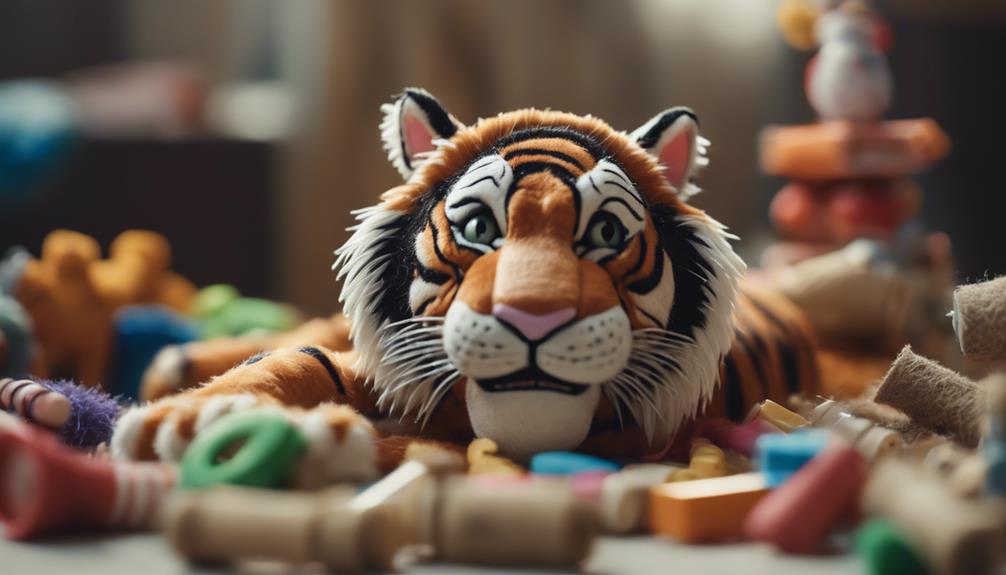
When considering the impact of catnip on the activity levels of large felines, it becomes evident that this herb can greatly influence their engagement and movement patterns. Big cats may exhibit increased activity levels when exposed to catnip, showing more interest in toys or enrichment items containing this herb. Catnip has the ability to trigger playful behaviors, stimulate curiosity, and promote interaction in less active big cats. The scent of catnip is particularly effective in enhancing movement and engagement among these animals. By providing catnip-infused toys or using catnip as a tool for enrichment, caretakers can effectively encourage exercise and mental stimulation in big cats.
| Catnip's Effect on Activity Levels | Big Cats |
|---|---|
| Triggers playful behaviors | Shows heightened interest |
| Stimulates curiosity and engagement | Promotes exercise |
| Enhances movement and interaction | Encourages mental stimulation |
| Increases activity levels | Engages less active big cats |
| Can be used as an enrichment tool |
Can Big Cats Also Experience the same Effects of Catnip as Domestic Cats?
It’s fascinating to learn all about cat purring. However, when it comes to catnip, big cats like lions and tigers can also react to the plant in a similar manner as domestic cats. The active ingredient in catnip, nepetalactone, triggers a response in the brain that results in behaviors like purring and rolling.
Catnip as Sensory Stimulation
Catnip offers significant sensory enrichment for large felines through its distinctive aroma and taste, enhancing their overall environment. Big cats can benefit from sensory stimulation provided by catnip in various ways:
- Catnip provides a unique scent and taste that captivates big cats, sparking curiosity and engagement.
- Exposure to catnip can lead to playful behaviors in big cats, promoting mental and physical activity.
- The effects of catnip on big cats can vary depending on individual preferences and genetic factors.
- Interaction with catnip serves as a form of sensory enrichment, contributing to the well-being and natural behaviors of big cats in captivity.
- Sensory experiences like those induced by catnip play an essential role in enhancing the overall environment for big cats.