Do Burmese Cats Shed A Lot


Burmese cats do not shed a lot due to their sleek, short coat and minimal shedding tendencies. Their shedding is typically seasonal and less compared to long-haired breeds. Factors like diet, grooming, and health influence shedding patterns. Regular grooming with a soft brush is recommended to manage shedding. Recognizing normal shedding includes understanding their seasonal shedding pattern. For managing shedding, regular grooming practices are essential. If there is excessive shedding, seek veterinary advice to evaluate potential allergies, skin conditions, or other medical concerns. Burmese cats are a low-maintenance option for those concerned about excessive fur in the household.
Burmese Cats' Shedding Characteristics
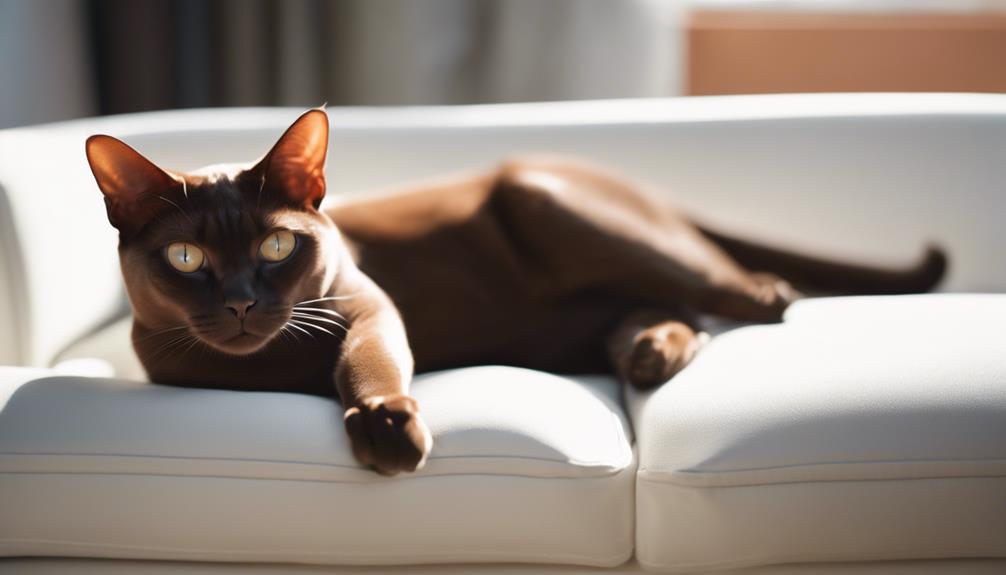
Known for their sleek and short coat, Burmese cats exhibit minimal shedding tendencies compared to many other feline breeds. While shedding is a natural process for all cats, Burmese cats are considered low-shedding pets. Their shedding is typically seasonal and less compared to long-haired breeds.
To manage any shedding that may occur, regular grooming with a soft brush is recommended. Environmental factors, such as temperature and humidity, can influence the shedding patterns of Burmese cats. Additionally, diet plays a role in the health of their coat, which in turn affects shedding.
Factors Influencing Burmese Cats' Shedding
The shedding patterns of Burmese cats can be influenced by various factors such as diet, grooming practices, and overall health. Due to their short, fine coat, Burmese cats exhibit minimal shedding, which is typically seasonal and not excessive.
Factors like diet quality, regular grooming, and good overall health play an important role in managing shedding for Burmese cats. A balanced diet rich in essential nutrients can promote healthy skin and coat, reducing excessive shedding. Regular grooming sessions help remove loose fur and distribute natural oils, further minimizing shedding.
Given that Burmese cats are considered a low-shedding breed, owners can enjoy the benefits of minimal shedding by paying attention to these influencing factors.
Recognizing Normal Shedding in Burmese Cats
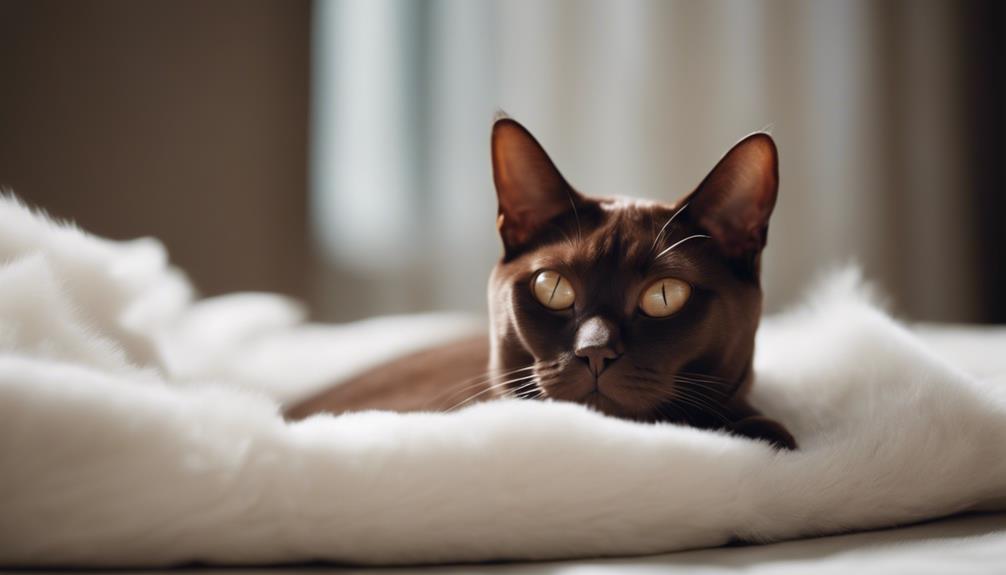
How can owners distinguish normal shedding patterns in Burmese cats?
Normal shedding in Burmese cats follows a seasonal pattern and is typically minimal due to their short, silky coat. Factors such as diet, grooming practices, and overall health play a role in regulating shedding.
To recognize normal shedding in Burmese cats, owners should consider the following:
- Seasonal shedding that increases during certain times of the year.
- Consistent grooming with a soft brush to control shedding and maintain coat health.
- Monitoring for any abnormal shedding patterns that could indicate underlying health issues, necessitating a visit to the vet for evaluation.
Managing Shedding in Burmese Cats
To effectively manage shedding in Burmese cats, regular grooming practices are essential to maintain their short, silky coat. Due to their minimal shedding nature, Burmese cats benefit from weekly brushing using a rubber brush to control seasonal shedding. Environmental factors such as temperature and humidity can influence shedding patterns in Burmese cats, making it important to create a comfortable living environment for them.
Is the Shedding of British Shorthair Cats Similar to Burmese Cats?
Yes, the shedding of British Shorthair cats is similar to that of Burmese cats. Both breeds are known for their moderate shedding levels, with minimal maintenance required to keep their coats in good condition. Regular grooming can help manage the shedding and keep their fur looking smooth and healthy.
Seeking Veterinary Advice for Excessive Shedding
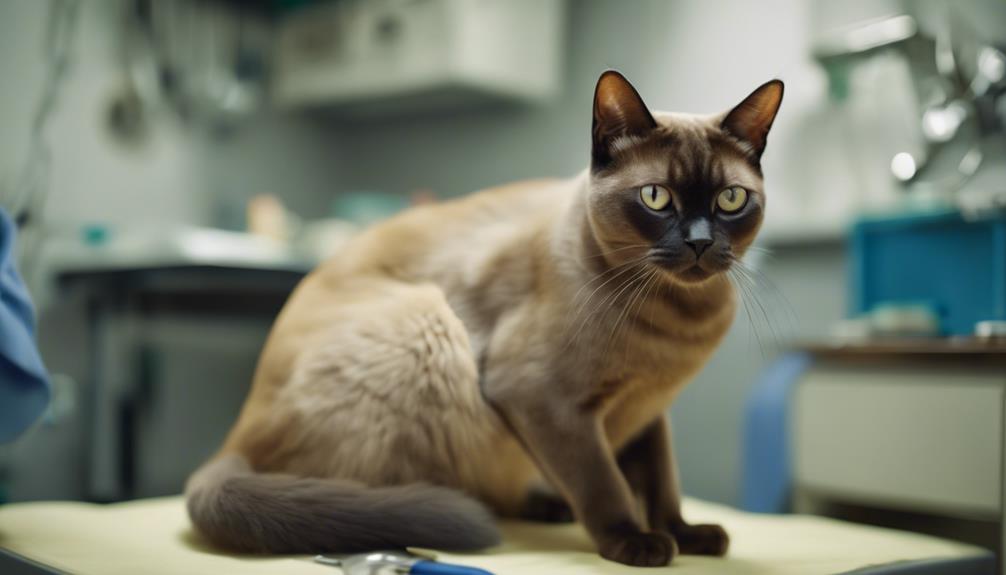
In cases of excessive shedding observed in Burmese cats, seeking veterinary advice is crucial to identify and address any potential underlying health issues. Excessive shedding can be a sign of allergies, skin conditions, or other medical concerns that require professional evaluation.
When dealing with abnormal shedding in your Burmese cat, consider the following:
- Schedule a veterinary appointment to determine the cause of excessive shedding.
- Discuss your cat's grooming routine and diet with the vet to make sure they are adequate.
- Follow any recommendations provided by the vet to address the underlying health issues contributing to the excessive shedding.