Do Cats Keep Mice Away


Cats are effective at deterring mice due to their natural hunting instincts. Their presence alone can discourage mice from primary living areas, reducing the risk of rodent infestation. While cats may not eliminate all hidden or significant infestations, certain breeds like Siamese, Maine Coons, and Abyssinians exhibit exceptional hunting skills, aiding in keeping mice away. However, not all cats engage in rodent control and may not access all hiding spots. Relying solely on cats may not be as effective as professional rodent control services. Cats can catch some mice, but there are limits to their mouse control capabilities.
Cats as Natural Pest Deterrents

Cats serve as natural pest deterrents, leveraging their innate hunting instincts to discourage mice from frequenting primary living areas. Their presence alone can help keep mice away from homes, reducing the risk of a rodent infestation.
While cats are effective at controlling visible pest populations, professional extermination may still be necessary to address hidden or more significant infestations that cats alone cannot eradicate completely.
Cats' Hunting Instincts and Effectiveness
Utilizing their innate predatory instincts, felines exhibit remarkable hunting prowess that aids in effectively deterring mice from shared living spaces.
Domestic cats, known for their hunting behavior, can keep mice away in main areas of the home due to the fear of being caught.
Certain cat breeds, such as Siamese, Maine Coons, Abyssinians, Burmese, and Scottish Folds, are recognized for their exceptional hunting skills, contributing to mouse deterrence.
Limitations of Cats in Mouse Control

Despite their natural hunting abilities, felines may have limitations in effectively controlling mouse populations within shared living spaces. Not all domesticated cats actively engage in rodent control. They may only catch a few mice, leaving some unaddressed.
Cats can't access all hiding spots or handle large infestations due to mice's rapid reproduction. Relying solely on cats for house mouse control may not be as effective as professional rodent control or other pest control solutions.
Potential Dangers of Cat Hunting
Cat hunting poses several risks, including the transmission of diseases and parasites from the prey to the feline hunters. Additionally, the potential suffering inflicted on mice by house cats, even if not lethal, raises ethical concerns about the welfare of the rodents.
Furthermore, the introduction of live mice into homes by cats can lead to complications such as infestations and property damage, highlighting the multifaceted dangers associated with feline hunting instincts.
Cat Hunting Risks
Exposing domestic felines to the inherent dangers of hunting mice includes the risk of contracting diseases and parasites from the rodents they catch. Injuries, infections, and ingestion of harmful substances are also potential cat hunting risks.
Diseases like toxoplasmosis can be transmitted through hunting behavior, leading to costly veterinary bills for treatment. Cat owners should be aware of the dangers their pets face when engaging in hunting activities.
Wildlife Conservation Concerns
The impact of cat hunting on wildlife conservation raises significant concerns regarding the preservation of local ecosystems and native species.
| Wildlife Conservation Concerns | Tips for Responsible Pet Ownership |
|---|---|
| Cats threaten local wildlife populations. | Keep cats indoors to reduce hunting impact. |
| Rodents carry diseases and disrupt ecosystems. | Seal gaps beneath homes to deter nesting. |
| Responsible pet ownership minimizes hunting impact. | Keep outdoor cats away from wildlife-prone areas. |
| Landscaping clean-up reduces nesting opportunities. | Use deterrents like bells on collars. |
| Outdoor cats can upset the balance in food chains. | Advocate for wildlife-friendly pet practices. |
Complementing Cat Efforts With Rodent Repellents
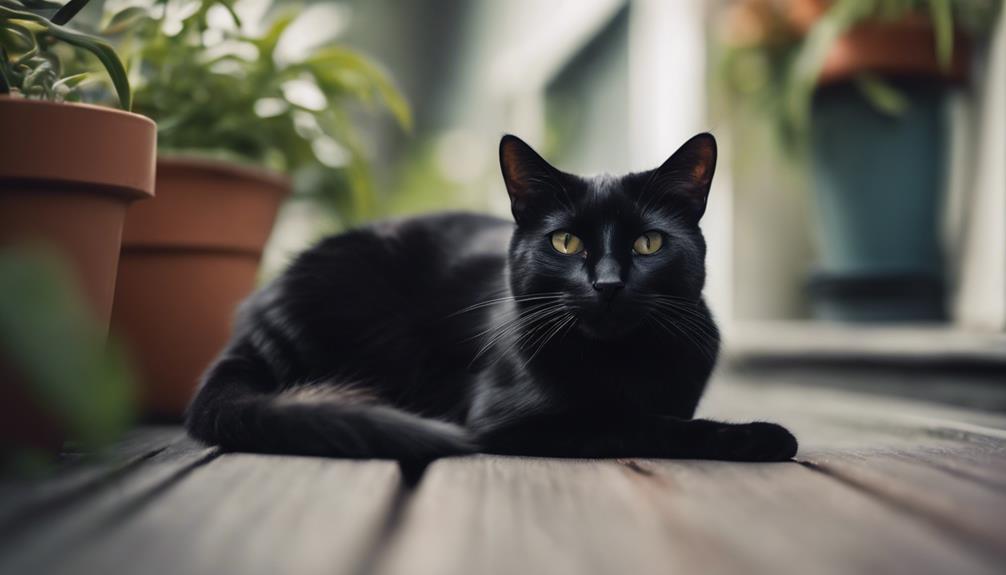
To enhance the effectiveness of feline pest control efforts, integrating rodent repellents into the household environment can provide a supplementary layer of protection against mice.
Fresh Cab Botanical Rodent Repellent, made from essential oils and plant fibers, emits a safe scent that deters mice while being harmless to humans and pets.
This approach can reduce the need for cats to actively hunt mice, offering a safe and pet-friendly pest control alternative endorsed by the EarthKind Community.
Tips for Enhancing Cat-Led Pest Control
To enhance your cat's pest control capabilities, you can provide interactive toys and positive reinforcement to stimulate their hunting instincts effectively. Certain cat breeds like Siamese, Maine Coons, Abyssinians, Burmese, or Scottish Folds are known for their natural hunting prowess and can be beneficial for pest control.
Keeping your cat indoors can prevent them from bringing live prey home while still utilizing their scent to deter mice, although professional rodent treatment may be required in severe cases.
Cat Behavior for Control
Enhancing cats' natural hunting instincts through interactive play and positive reinforcement can greatly boost their effectiveness in controlling pests. Strategically placing treats can encourage cats to patrol for rodents. Indoor cats can still deter mice with their scent. Keeping outdoor cats' vaccinations up-to-date is vital due to health risks. If cats aren't actively hunting, consider using mouse traps or pet-safe pest control solutions.
| Cat Behavior | Tips for Control |
|---|---|
| Interactive Toys | Boost hunting instincts |
| Positive Reinforcement | Encourage pest control |
| Treats | Strategically placed |
| Patrol | Regularly check for rodents |
| Scent | Deters mice even indoors |
Training Cats for Hunting
Cats can be trained effectively to enhance their natural hunting instincts for efficient pest control.
- Providing interactive toys can enhance hunting skills and keep cats engaged.
- Positive reinforcement, like treats or praise, encourages active hunting.
- Simulated hunting scenarios, such as moving toys, sharpen natural instincts.
- Regular playtime and exercise improve agility and hunting abilities, making cats proficient hunters for controlling pests.
Understanding Mice Reproduction Rates
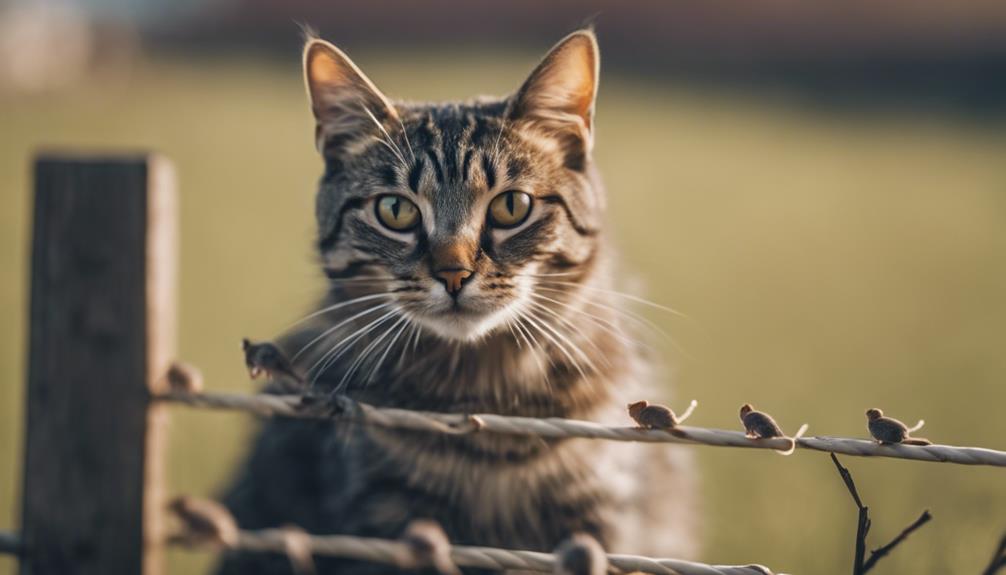
Understanding the rapid reproduction rates of mice is essential for developing effective strategies to control and prevent infestations. Female mice can have up to 10 litters per year, with each litter producing 5-6 pups on average.
Mice reach sexual maturity in about 6 weeks, leading to quick population growth. With a short gestation period of 19-21 days, a single pair of mice can potentially produce up to 200 offspring in a year, emphasizing the importance of understanding reproduction for mice control strategies.
Balancing Cat Safety and Pest Management
Given the potential risks associated with outdoor cats hunting mice, it is vital to contemplate how to balance cat safety with effective pest management strategies.
- Cats can act as a passive deterrent with their scent
- Strategic treats can encourage cat patrols
- Indoor cats contribute through scent
- Health risks for outdoor cats make regular vaccinations essential
>Will Using Coffee Grounds to Keep Cats Away Also Deter Mice?
Yes, using coffee grounds cat repellent may also deter mice. The strong smell of coffee grounds is a natural deterrent for both cats and mice. Sprinkling coffee grounds in areas where you want to keep cats and mice away can help discourage them from entering.
Professional Solutions for Holistic Pest Control
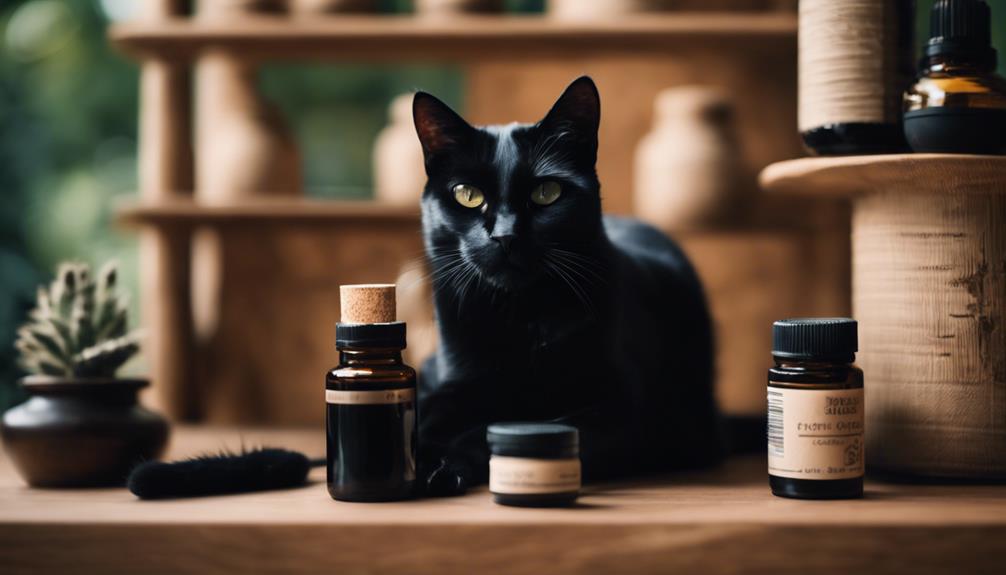
Professional pest control services offer thorough and all-encompassing solutions for effectively eliminating rodents and other pests. These services address the root cause of infestations to prevent future pest problems.
Expert exterminators use safe and effective methods to eliminate mice, providing a thorough treatment of affected areas. Hiring professionals guarantees a sustainable approach to managing rodent issues, ensuring long-term pest control.