Do Kittens Sleep A Lot

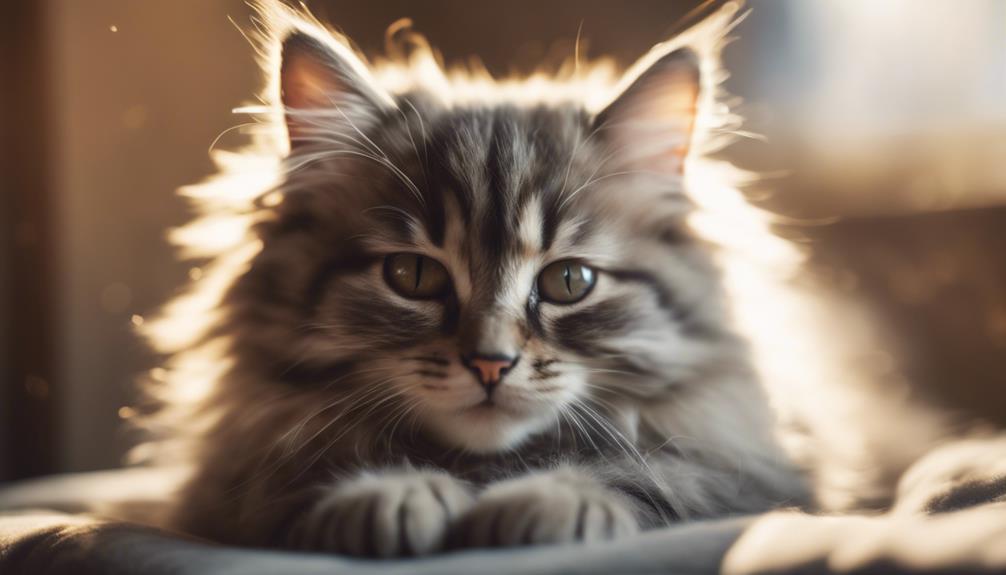
Kittens do sleep a lot, especially when they are newborns. On average, newborn kittens sleep for about 22 hours a day. This amount gradually decreases to around 16-20 hours a day by the time they reach 6 months of age. Sleep is important for their muscle, bone, and immune system development. Understanding their sleep needs is essential for their growth and well-being. As kittens grow, their sleep patterns change, but sufficient sleep remains necessary for their health. Proper monitoring of their sleep habits and creating a comfortable sleeping environment are key. It's important to pay attention to any changes in their sleep patterns as they could indicate underlying health issues.
Newborn Kittens' Sleep Needs

In the early stages of their lives, newborn kittens have a crucial need for sleep. These young kittens sleep much of the day, with almost 22 hours dedicated to rest.
As they grow, around 6 months, their sleep routine adjusts to about 16 to 20 hours a day.
This extensive amount of sleep is essential for their development, aiding in the strengthening of muscles, bones, and overall immune system.
Importance of Sleep for Kittens
Understanding the significance of sufficient sleep for kittens is essential to ensuring their ideal growth and well-being. Kittens need up to 22 hours of sleep per day to support their development and strengthen their immune system.
Proper nutrition, including mother's milk and balanced food, plays an important role in regulating their sleep patterns. Monitoring their eating and sleeping habits is necessary for maintaining their overall health and ensuring they get the rest they need.
Sleep Variations as Kittens Grow

As kittens progress through their growth stages, the amount of sleep they require and their sleep patterns undergo noticeable variations.
- Kittens sleep less as they age but still manage around 18 hours a day.
- They may become more active at night as they mature.
- Establishing a kittens routine can help them sleep better.
- Adequate sleep is vital for a kittens' eye development and overall health.
Monitoring Kitten Sleep Patterns
Monitoring kitten sleep patterns is essential for guaranteeing their ideal development and well-being. Understanding how much a kitten should sleep at different stages helps provide proper care. By observing their sleeping patterns, you can make sure they get enough rest for growth.
Creating a safe place for them to sleep and incorporating it into their daily routine, along with a balanced diet of cat food, can help them feel secure, similar to adult cats.
Health Issues Related to Sleep Changes

Changes in a kitten's sleeping pattern can serve as early indicators of potential health issues, including anemia, infections, or cardiovascular disorders.
- Excessive sleeping or lethargy
- Sudden changes in sleep habits
- Monitoring for early detection
- Addressing unusual sleep behavior with veterinary attention
Tips for Aiding Kitten Sleep
To guarantee your kitten gets the rest they need for best growth and development, implementing practical tips to aid their sleep can make a significant difference in their well-being.
Establish a cozy bed or designated sleeping space to provide a sense of security. Use familiar scents like a blanket to help them relax. Follow a consistent bedtime routine to promote better sleep habits and avoid disturbing their sleep to prevent interrupted sleep affecting their development.
Do Cats’ Sleeping Habits Affect Their Mythical Nine Lives?
Cats’ mythical nine lives have long fascinated people, leading to the belief that cats are resilient due to their sleeping habits. Cats can sleep up to 16 hours a day, allowing them to conserve energy and stay alert when needed. This restful lifestyle may contribute to the enduring myth of cats’ mythical nine lives.
FAQS About Kitten Sleep Habits

Kitten sleep habits are an essential aspect of their well-being and development.
- Kittens tend to sleep around 22 hours a day until 2 weeks old.
- By 3 months of age, they sleep about 18 hours daily.
- To guarantee proper growth, make sure their daily routine includes enough rest.
- Much sleep is crucial for kittens, just like adult cats need it.