Do Munchkin Cats Shed A Lot


Munchkin cats are important shedders, with shedding impacted by season, health, and coat type. Shedding increases during fall and spring. Coat length minimally affects shedding compared to overall health and genetics. Regular grooming is vital to manage shedding. Consult a vet for tailored advice on shedding control. Factors like diet and grooming habits can influence shedding levels. If you want to understand how shedding compares to other cat breeds, consider various factors like coat type and health. Understanding shedding in Munchkin cats is essential for their care and well-being, ensuring you provide the best support for your feline companion.
Shedding Frequency and Patterns
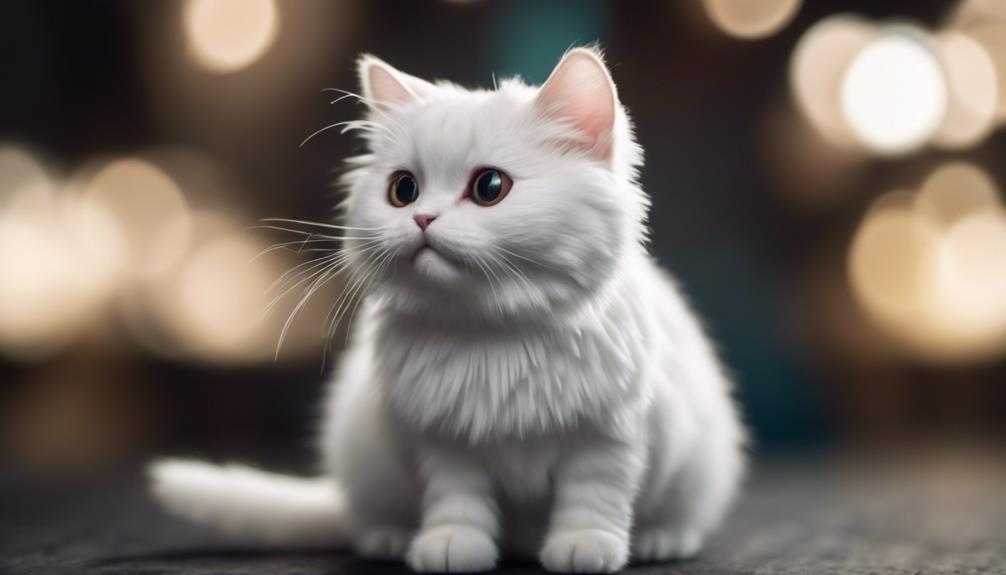
When considering shedding frequency and patterns in Munchkin cats, it is important to recognize that they are moderate shedders, with shedding typically increasing during the fall and spring seasons.
The amount of shedding can vary depending on the cat's coat type and overall health. Regular grooming and proper nutrition play essential roles in managing shedding in Munchkin cats.
Understanding these factors is pivotal for maintaining the cats' overall health and well-being.
Factors Influencing Munchkin Cat Shedding
Munchkin cat shedding can be influenced by factors such as coat length and seasonal shedding patterns. While coat length itself doesn't directly impact shedding levels, the time of year, like fall and spring, can lead to increased shedding in Munchkin cats.
Monitoring these factors and consulting a veterinarian for specific concerns can help manage shedding in these adorable felines.
Coat Length Impact
In determining shedding patterns of Munchkin cats, the impact of coat length is found to be minimal compared to other influential factors such as health and genetics. Short-haired Munchkin cats may shed less than their long-haired counterparts.
Regular grooming plays a key role in managing shedding in Munchkin cats, irrespective of their coat length. Seeking advice from a veterinarian can provide tailored strategies for shedding control in this unique cat breed.
Seasonal Shedding Patterns
During seasonal changes, Munchkin cats experience fluctuations in shedding patterns influenced by various factors.
Shedding amount can vary based on coat type and overall health, with increased shedding in fall and spring.
It is essential to monitor shedding for signs of excessive shedding or underlying health issues.
Consultation with a veterinarian can provide insights on managing seasonal shedding effectively.
Grooming Tips for Minimizing Shedding
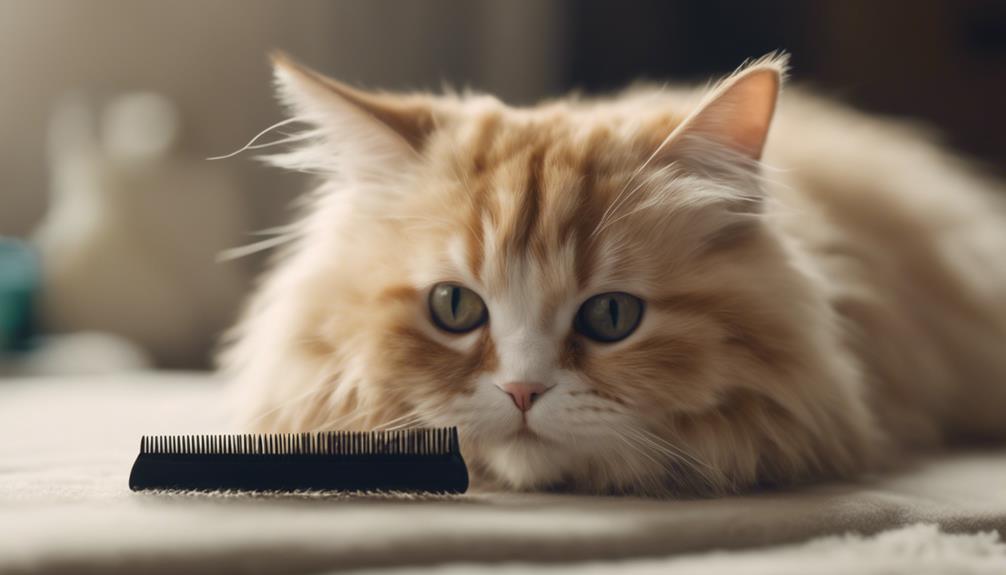
To minimize shedding in Munchkin cats, regular brushing with a bristle brush is recommended.
Additionally, consulting a vet for dietary advice and using vet-approved special foods can help reduce shedding and promote a healthy coat.
Observing signs of excessive shedding and seeking professional guidance for specific concerns is essential for maintaining your Munchkin cat's coat health.
Brushing for Shedding
Regular grooming practices play an essential role in minimizing shedding for Munchkin cats, particularly those with longer coats. Using a bristle brush for short-haired Munchkins and a deshedding comb for long-haired ones is recommended. Opt for soft-bristled brushes to prevent skin irritation.
Bathing your cat with cat shampoo can assist in removing loose fur. Consulting a vet for dietary recommendations may also help reduce shedding in Munchkin cats.
Diet for Less Shedding
Grooming practices for Munchkin cats extend beyond brushing to include dietary considerations that can contribute to minimizing shedding, with a focus on a balanced and high-protein diet. Regular grooming, omega-3 fatty acids, adequate hydration, and supplements like biotin or fish oil can help reduce shedding by supporting coat health.
These elements play an essential role in maintaining your Munchkin cat's skin and coat health, ultimately leading to less shedding.
Shedding Comparison With Other Cat Breeds
When comparing shedding levels, Munchkin cats are classified as moderate shedders in relation to various other cat breeds. Factors such as coat type and individual health can influence shedding levels.
Surprisingly, the length of the coat in Munchkin cats does not notably affect the amount of shedding.
For tailored advice on managing shedding in Munchkin cats, consultation with a veterinarian is recommended.
Shedding and Munchkin Cat Health
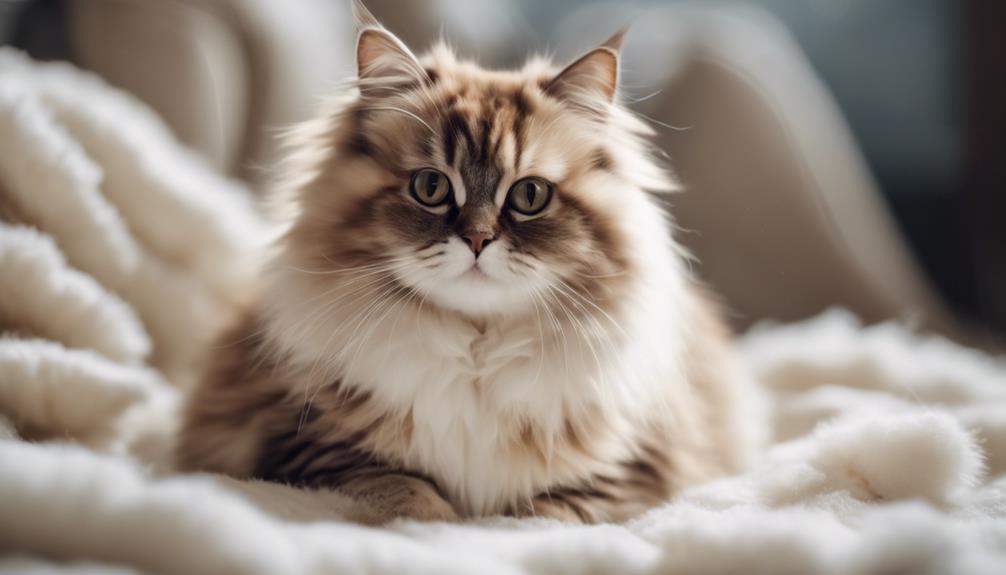
The shedding patterns of Munchkin cats are closely intertwined with their overall health status. Genetic mutations that lead to their short legs can also impact their susceptibility to health problems, which may affect shedding.
However, shedding amount in Munchkin cats can also be influenced by coat type. Regular grooming practices and consulting a veterinarian can aid in shedding control and maintaining a Munchkin cat's health.
Is the Amount of Shedding the Same for Munchkin Cats and Savannah Cats?
Munchkin cats and savannah cats have different shedding tendencies. While Munchkin cats are known for their moderate shedding, savannah cats shedding tendencies can vary. Due to their longer and thicker coat, savannah cats may shed more than Munchkin cats. Regular grooming can help manage their shedding.
Shedding Management and Care for Munchkin Cats
Effective shedding management and care for Munchkin cats is essential for maintaining their overall health and well-being.
- Munchkin cats shed moderately, varying based on coat type and health.
- Regular brushing, especially for longer coats, helps control shedding.
- Shedding may increase in fall and spring.
- Consult a veterinarian for shedding concerns.