Does My Cat Need Breed Specific Food


Cat breeds benefit from breed-specific food tailored to their unique health needs like growth, coat, and skeletal concerns. These specialized diets promote ideal development, health, and wellness by providing precise nutrients. Cat food customized for breeds supports digestive health, skin condition, and overall well-being. Understanding breed-specific nutritional requirements is essential for preventing health issues and maintaining feline characteristics. By selecting the right food, you are supporting your cat's specific needs and genetic predispositions. Discover more about how breed-specific food can enhance your cat's health and well-being.
Understanding Breed-Specific Nutritional Needs
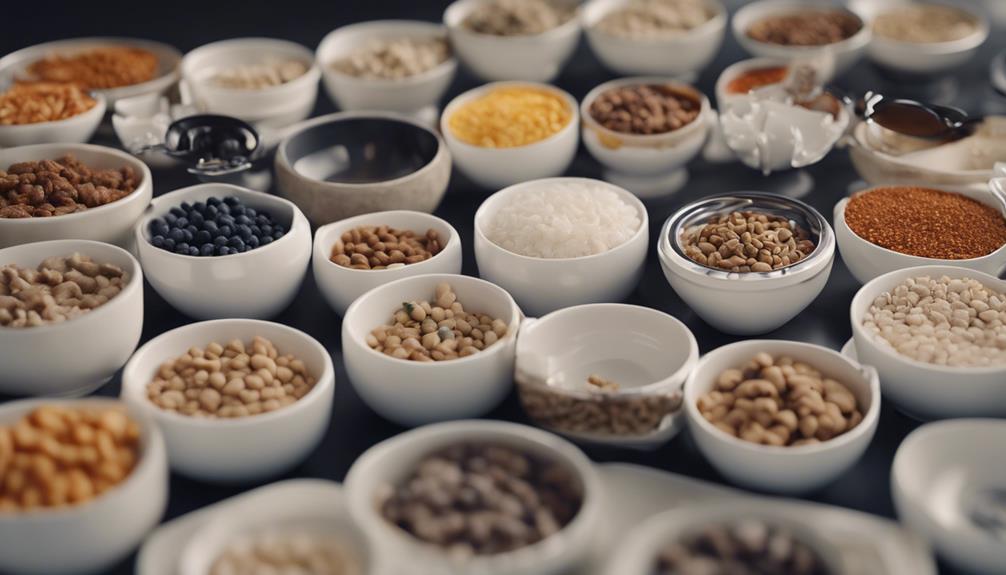
When considering the dietary requirements of different cat breeds, understanding breed-specific nutritional needs is essential for promoting peak health and well-being.
Breed-specific diets are tailored to address specific health concerns and characteristics of various cat breeds. These diets contain customized nutrient levels to meet the unique requirements of each breed, supporting ideal growth, development, and overall health based on breed-specific traits such as skeletal structure, coat type, jaw shape, and lifestyle.
Benefits of Tailored Cat Food
Tailored cat food provides numerous benefits to feline companions. These specialized diets guarantee that your cat's unique nutritional requirements are met, promoting overall health and well-being.
Additionally, they can lead to a healthier coat and skin, as well as provide support for your cat's digestive system.
Nutritional Requirements Met
Ensuring that nutritional requirements specific to certain breeds are met, breed-specific cat food plays a crucial role in promoting excellent health and well-being for cats.
Tailored cat food addresses breed-specific health concerns by providing customized nutrient levels that support the unique needs of different cat breeds.
This specialized approach not only fosters excellent growth and development but also helps prevent health issues and maintains breed characteristics.
Healthier Coat and Skin
Breed-specific cat food formulations are designed to enhance the coat and skin health of different cat breeds by incorporating targeted nutrients like omega fatty acids and amino acids.
- Tailored diets for specific breeds like Persians can help prevent skin issues and maintain a shiny coat.
- Certain breeds may benefit from ingredients like biotin and zinc in their food for skin and coat health.
- Breed-specific food formulations can include antioxidants and vitamins to support skin and coat condition.
- Customized diets for breeds with coat concerns can contribute to overall skin health and reduce shedding.
Digestive System Support
Focusing on the digestive system support aspect of specialized cat food, the nutritional composition of these formulations plays a vital role in promoting excellent gut health and overall well-being for different cat breeds.
Tailored cat food, with ingredients like probiotics and prebiotics, can aid in nutrient absorption and gut function.
Breed-specific diets address digestive issues, such as sensitive stomachs, ensuring better digestion and reduced gastrointestinal problems while promoting a healthy gut microbiome.
Feline Diet Customization Importance
Feline diet customization is essential as nutritional needs can vary greatly among different cat breeds. By understanding the health benefits of tailored diets, cat owners can address breed-specific dietary considerations effectively.
Customizing a cat's diet based on their breed can play a key role in promoting their overall health and well-being.
Nutritional Needs Vary
Nutrition plays an essential role in maintaining the health and well-being of cats, with individualized dietary considerations being crucial to meet the specific needs of different breeds.
- Cats have varying nutritional needs based on their breed
- Breed-specific diets consider factors like body type, genetic predispositions, and health concerns
- Customizing a cat's diet based on breed can support ideal growth and development
- Tailored nutrient levels in breed-specific food can help prevent breed-specific health issues
- Breed-specific food guarantees cats receive required nutrients.
Health Benefits of Customization
Customizing a cat's diet to meet breed-specific needs can greatly enhance overall health and well-being in felines. Tailoring nutrient levels based on breed requirements addresses health concerns unique to certain breeds, supporting excellent growth and development.
This approach can also help prevent prevalent health conditions in specific breeds by considering factors like skeletal composition, jaw size, lifestyle, and coat type, promoting the cat's overall health.
Breed-Specific Dietary Considerations
When considering the dietary needs of cats, tailoring their food intake to match specific breed requirements is essential for supporting their overall health and well-being.
- Breed-specific diets consider unique nutritional requirements based on specific breed characteristics.
- Certain breeds may have predispositions to health issues that can be addressed through tailored nutrition.
- Customized nutrient levels in breed-specific food support ideal growth and development in specific breeds.
- Breed-specific diets can help prevent breed-specific health concerns and promote overall well-being.
- Understanding breed-specific dietary considerations can enhance the health and longevity of your cat.
Breed-Specific Food for Optimal Health
Tailored to address specific breed characteristics and health concerns, breed-specific diets are designed to provide ideal health benefits for purebred cats. These diets may contain specific nutrient levels customized for each breed's requirements, supporting best growth and overall health. Consultation with a veterinarian is essential to determine if a breed-specific diet is appropriate for your cat. Here is a table to illustrate some key points:
| Pros | Cons |
|---|---|
| Tailored nutrition | Controversy over necessity |
| Health support | Effectiveness questioned |
| Breed-specific | Potential cost implications |
| Professional input | Limited scientific evidence |
Choosing the Right Cat Food
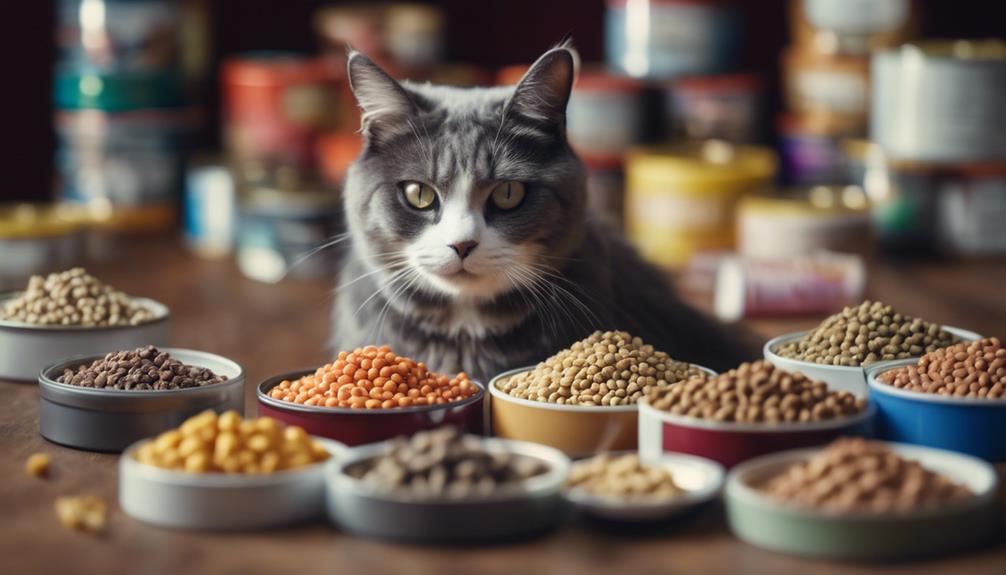
Selecting the appropriate cat food is crucial in meeting your feline companion's nutritional needs effectively. When choosing the right cat food:
- Consider the food's nutrient profiles.
- Evaluate if breed-specific food is necessary.
- Guarantee nutritional adequacy for individual breed requirements.
- Consult a veterinarian for guidance.
- Understand the controversy around breed-specific diets.
Tailoring Nutrition to Your Cat's Breed
To enhance your cat's health and well-being, tailoring nutrition to their specific breed is crucial. Breed-specific diets in the pet food industry are designed to address health conditions and cater to unique breed characteristics. These diets contain customized nutrient levels to support ideal growth, development, and overall health. By considering factors such as skeletal composition, jaw size, coat type, and lifestyle, tailored nutrition can help prevent prevalent health conditions in certain breeds.
| Aspect | Importance |
|---|---|
| Health Conditions | Address breed-specific issues |
| Nutrient Levels | Customized for different breeds |
| Growth and Development | Support optimal health |
| Preventative Measures | Aim to prevent health issues |
| Breed Characteristics | Consider skeletal, jaw, coat |
Cat Breeds and Dietary Considerations
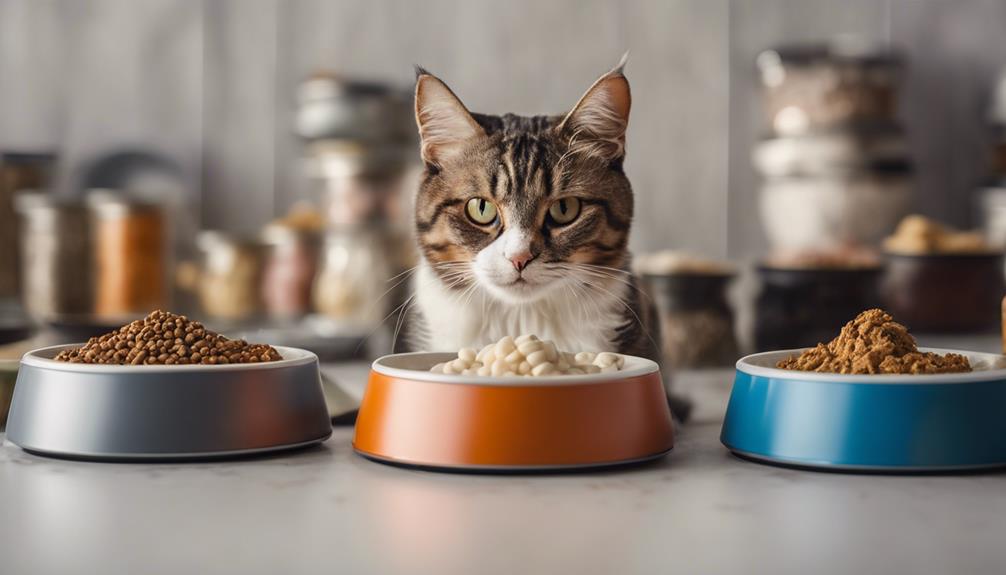
When considering the dietary needs of different cat breeds, it is essential to understand how their body types, coat lengths, and health predispositions influence their nutritional requirements.
- Breed-specific diets cater to specific health concerns and nutritional needs of purebred cats.
- Maine Coon diets focus on joint supplements and high digestible protein.
- Persian diets prioritize dental health and prevention of bladder stones.
- Siamese diets aim to prevent regurgitation and maintain a lean figure.
Is Providing a Catio Necessary to Ensure Proper Nutrition for My Cat?
Providing a catio as a cat safety outdoors option is not necessary for ensuring proper nutrition for your cat. While it can offer a safe outdoor experience, nutrition is primarily dependent on the cat’s diet. A balanced and high-quality diet is key to ensuring your cat’s nutritional needs are met.
The Role of Genetics in Feline Nutrition
How do genetics influence the nutritional needs and health considerations of felines?
Feline genetics play a vital role in determining the specific nutritional requirements and potential health concerns of different cat breeds.
Breed-specific food takes into account these genetic predispositions to tailor diets that support overall well-being and address individual health issues effectively.
Understanding how genetics influence nutrient processing helps in selecting the most suitable nutrition for ideal feline health.