How Do Cats Clean Themselves Whats Normal


Cats clean themselves using rough tongues with tiny barbs to remove loose hair, debris, and parasites. This process helps regulate body temperature and maintain a healthy coat. Grooming consumes 30-50% of their waking hours, involving licking and attention to body parts. Important grooming is indicated by a shiny, clean coat with no mats, tangles, hair loss, or skin issues. Regular grooming is vital for distributing natural oils and preventing matting. Changes in grooming habits can signal health problems, so observing their behavior is important. Understanding cat grooming habits is key to ensuring their well-being. Learn more about cat grooming to support their health and happiness.
The Importance of Cat Grooming
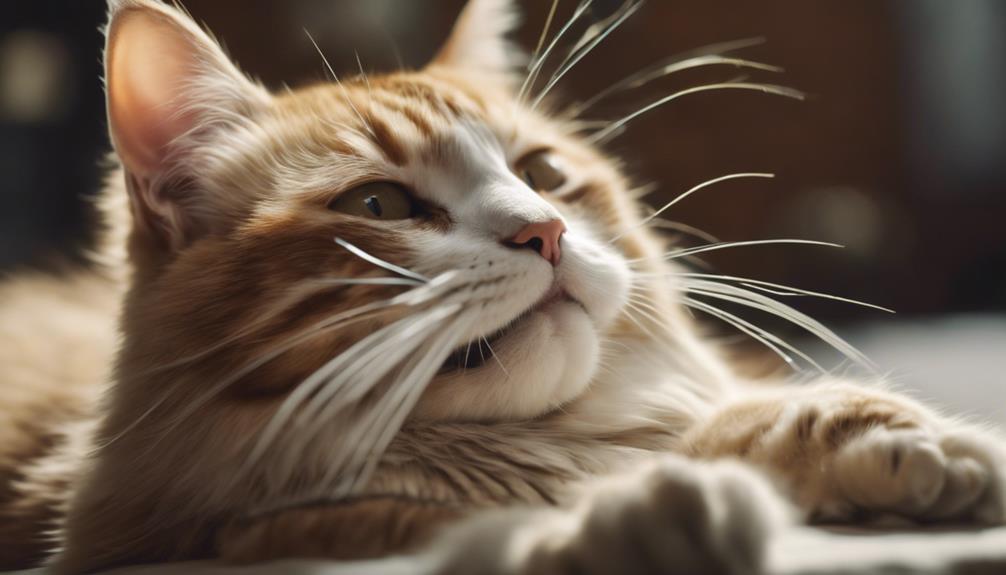
Regular grooming is essential for the overall health and well-being of cats. Cats groom to clean their fur, distribute oils for a soft coat, and maintain healthy skin. This grooming routine helps remove debris, regulate body temperature, and stimulate circulation.
Normal Cat Grooming Behavior
Cats exhibit meticulous grooming behavior utilizing their specialized rough tongues with tiny barbs to effectively clean their fur. Grooming is essential for cats as it helps remove loose hair, debris, and parasites, maintaining their hygiene.
This normal behavior, which can consume 30-50% of their waking hours, also aids in regulating their body temperature. Cats regularly groom by licking, scratching, and paying attention to different body parts.
Understanding Cat Grooming Habits
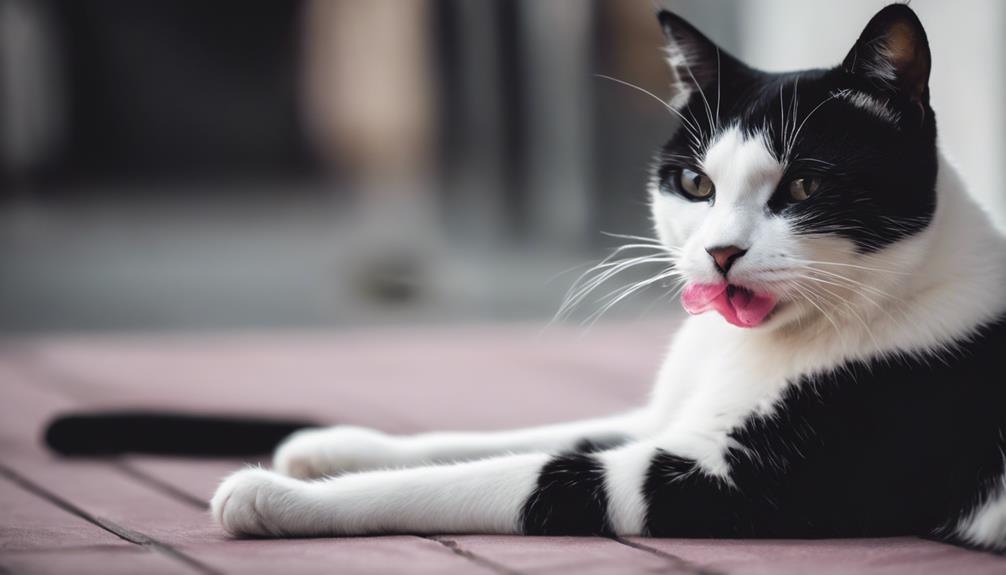
What insights can be gained from observing the grooming habits of felines?
Cats' normal grooming behavior involves cleaning their fur, regulating body temperature, and maintaining a healthy coat through self-care behavior.
Spending a significant portion of their waking hours grooming, changes in grooming habits can signal underlying health issues or stress.
Understanding these habits is essential for recognizing signs of excessive grooming that may indicate potential problems.
Signs of Healthy Cat Grooming
When evaluating the grooming habits of cats, key indicators of their overall health and well-being can be observed through the signs of healthy grooming.
Healthy grooming behavior includes a shiny, clean coat with no mats or tangles. Cats with smooth, untangled fur and healthy skin are likely in good health.
Signs of healthy grooming also involve the absence of hair loss, skin issues, or indications of any underlying medical condition.
Frequency of Cat Grooming
Cats groom themselves extensively throughout the day, dedicating around 30-50% of their waking hours to this essential activity. Understanding the grooming habits and patterns of cats is vital in gauging their overall well-being.
Grooming Habits and Patterns
Devoting a significant portion of their waking hours, felines diligently engage in grooming to maintain their hygiene and well-being.
- Cats have specific grooming patterns using their tongue and paws.
- Grooming helps distribute natural oils and regulate body temperature.
- Regular grooming prevents matting and promotes overall health.
- Owners should monitor excessive grooming, which could lead to skin lesions.
Impact of Grooming Frequency
Maintaining an appropriate grooming frequency is vital for feline well-being and overall health. Cats groom themselves regularly to regulate body temperature and distribute natural skin oils.
Over-grooming or under-grooming may signal stress, health issues, or behavioral problems. Each cat's grooming needs vary based on age, health, and environment.
Monitoring changes in grooming frequency is essential to detect underlying causes and promote excellent cat health.
Signs of Excessive Grooming
Exhibiting signs of excessive grooming, such as bald patches or redness, can indicate potential health issues or stress factors in cats.
- Compulsive disorders or stress may lead to overgrooming.
- Psychogenic alopecia is a condition linked to excessive grooming.
- Cats may focus on hard-to-reach areas when overgrooming.
- Overgrooming can also be a symptom of flea infestation.
Factors Affecting Cat Grooming

Factors influencing a cat's grooming behavior encompass a range of health and environmental considerations. Under-grooming may signal health issues like arthritis or dental problems, while illness, hormonal imbalances, or behavioral disorders can affect grooming habits. Conversely, over-grooming could indicate stress or underlying health conditions. Senior, obese, or long-haired cats might need assistance with grooming. Regular brushing and a clean environment can promote healthy grooming habits in cats.
| Factors Affecting Cat Grooming | |
|---|---|
| Under-Grooming | Health issues |
| Over-Grooming | Stress, health problems |
| Assistance Needed | Senior, obese, long-haired cats |
| Promotion of Grooming Habits | Regular brushing, clean environment |
Can a Cat’s Cleaning Habits Indicate When They Need Help or Assistance?
Yes, how cats ask for help can be observed through their cleaning habits. A decrease in grooming or an excessive need for grooming could indicate a problem. Look out for any changes in their grooming behavior and seek assistance from a veterinarian if necessary.
Monitoring Your Cat's Grooming Habits
When observing your cat's grooming habits, closely monitor any changes in frequency, duration, or intensity to safeguard their overall well-being.
- Look for signs of over-grooming like bald patches or skin issues.
- Pay attention to behavioral changes such as increased grooming.
- Regularly check for parasites or abnormalities during grooming sessions.
- Seek veterinary advice if significant changes in your cat's grooming behavior occur.