How Do I Get My Scared Kitten To Trust Me


To get your scared kitten to trust you, it's important to understand their fear triggers. Creating a safe environment with a cozy crate and positive reinforcement helps. Using gentle interaction techniques like avoiding direct eye contact and offering treats builds trust. Consistency in routines and care is key for bonding. Watch for positive signs of trust like eating near you or showing vulnerable behaviors. By following these steps, a strong bond based on patience and compassion can be formed, fostering a loving relationship with your kitten.
Understanding Your Kitten's Fear
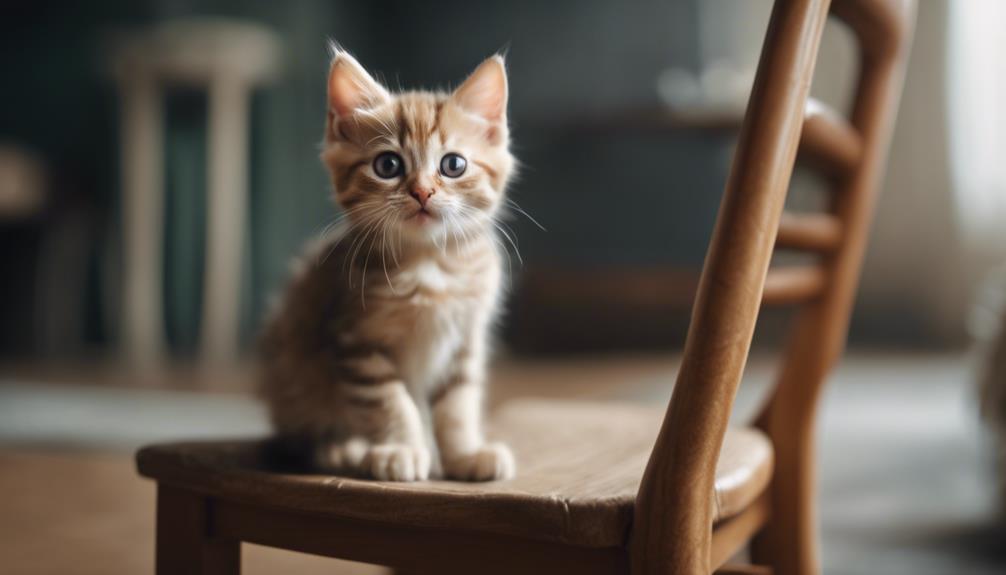
Understanding the root cause of your scared kitten's fear is essential for establishing trust and building a strong bond with your pet. Fear in kittens can result from lack of socialization, traumatic experiences, or genetic predisposition.
Kittens may display fear by hiding, hissing, or avoiding interactions. Consistent positive interactions, patience, and a calm environment are crucial in gaining trust.
Seeking professional advice can offer tailored solutions to address specific fears and behaviors.
Creating a Safe Environment
To establish a sense of security and comfort for your scared kitten, creating a safe environment is paramount. Provide a cozy crate, litter box, and essentials for comfort and security. Allow the kitten to have its own space when needed. Use positive reinforcement for trust-building. Ensure the living space is clean, secure, and comfortable. Additionally, offer a cage as a safe space for the kitten to retreat to when feeling scared or overwhelmed.
| Safe Environment | Cozy Crate | Positive Reinforcement |
|---|---|---|
| Own Space | Essentials | Trust-Building |
Gentle Interaction Techniques
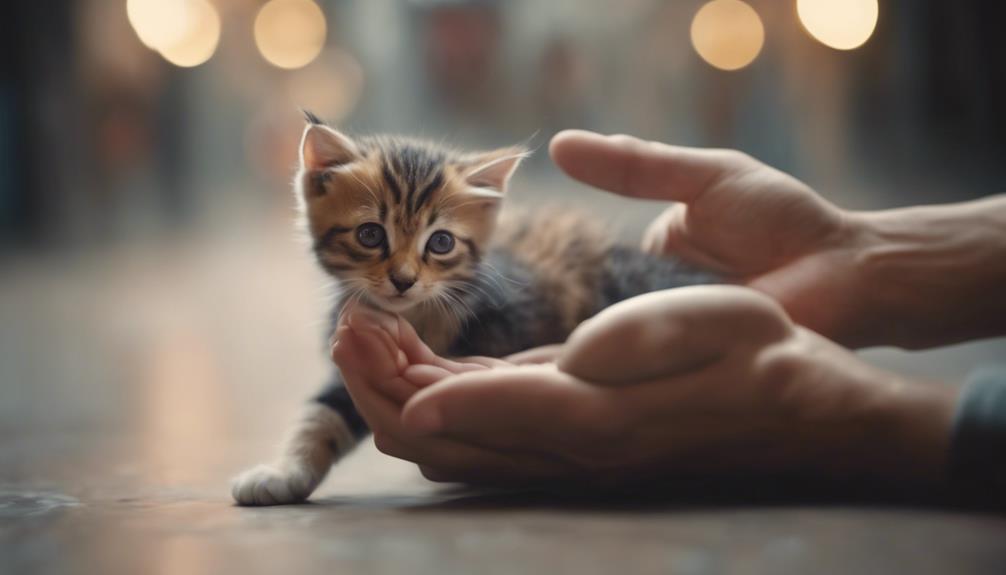
When interacting with a scared kitten, employing gentle handling techniques is essential for fostering trust and comfort in the feline companion.
Use slow movements, avoid direct eye contact, and approach from the side to appear less intimidating.
Offer treats and rewards to create positive associations. Employ a soothing voice and gentle petting for a gradual build of trust.
Respect boundaries by allowing the kitten to initiate interactions at their pace.
Building Trust Through Consistency
Consistency is key when it comes to gaining the trust of a scared kitten. Establishing daily routines for bonding and interactions, along with practicing patience, can help build a strong foundation of trust.
Daily Routines for Bonding
Establishing consistent daily routines is essential for bonding with a scared kitten and building trust through predictable patterns in their care. A cat's trust is nurtured through structured activities like interactive play, gentle petting, and maintaining a set schedule for feeding and grooming.
Predictable routines create a sense of security, reducing anxiety and aiding in the development of a strong bond between you and your scared kitten.
Patience in Interactions
Developing trust with a scared kitten requires a patient approach that emphasizes consistency in interactions over time.
- Establish a routine for feeding, playtime, and handling to help the kitten feel secure.
- Use a gentle voice and approach during every interaction to foster a sense of safety.
- Maintain a calm environment by avoiding sudden movements or loud noises for predictable interactions.
Recognizing Positive Signs of Trust

When a scared kitten sits within arm's reach of you, it signifies a positive sign of trust in your relationship.
Eating near you shows the kitten is starting to feel comfortable and safe.
Rubbing against you indicates a desire for affection and connection.
Vulnerable behaviors like sleeping or showing their belly demonstrate that the kitten trusts you enough to let their guard down, seeking closeness and affection.
Can Separated Kittens Still Learn to Trust Humans?
Yes, kittens born apart distance can still learn to trust humans. While early socialization is important, with patience and positive experiences, separated kittens can bond with their human caregivers. Slow exposure, gentle handling, and consistent love and care can help them overcome their initial hesitation and form trusting relationships.
Seeking Professional Guidance
Upon noticing signs of fear persisting in your scared kitten despite positive interactions, seeking professional guidance, such as consulting with a veterinarian or pet behavior experts, is essential to address potential underlying issues and facilitate trust-building effectively.
Consult with a veterinarian to rule out medical causes.
Seek assistance from pet behavior experts for specific fear-related issues.
Professional guidance aids in understanding your kitten's needs and well-being.