How Do You Know When Cat Labor Is Over


To determine when cat labor is over, monitor the time since the last kitten was born. On average, it ends within 2-3 hours, but breaks can extend beyond 3 hours. Signs of straining indicate active labor, while the absence of straining may signal labor completion. Contractions are vital during labor, with their cessation after all kittens being born denoting the end. Normal breathing patterns post-labor and nursing behavior, like longer nursing sessions and increased bonding, also signify the end. Understanding these indicators guarantees the well-being of the mother cat and her kittens.
Time Since Last Kitten
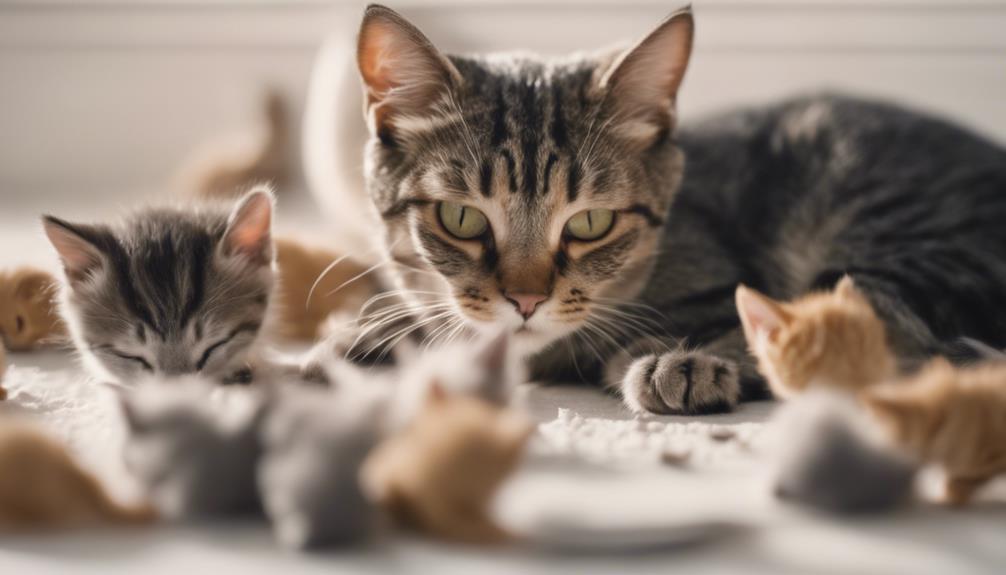
After the birth of the latest kitten, a common indicator that cat labor is over is typically observed within 2-3 hours on average. Cats may experience a resting stage, with breaks lasting beyond this timeframe. Interrupted labor can include rest periods of 24-36 hours without indicating a problem.
Kittens born after interruptions usually remain healthy and do not necessarily mean ongoing labor, especially in cases where multiple kittens are being delivered.
Signs of Straining
After the completion of labor, it is essential to monitor the signs of straining in cats to guarantee the birthing process progresses smoothly.
Straining is a clear indication of active labor in cats. Prolonged absence of straining may suggest the end of labor, although breaks in straining can occur.
Difficulty in recognizing contractions may signal labor completion, while the presence of contractions indicates ongoing labor.
Contractions

Contractions are an essential sign during cat labor, signaling active progression in the birthing process. The timing and strength of contractions provide important insight into the stage of labor the mother cat is in.
Monitoring the presence and intensity of contractions aids in determining the ongoing nature of labor and any potential complications.
Timing of Contractions
Active labor in cats is typically indicated by the presence of contractions. Monitoring these contractions is important as their absence may signal the end of labor.
Prolonged breaks between contractions could suggest labor completion. It is generally observed that contractions cease after all kittens are born.
Strength of Contractions
Following the timing of contractions, a critical aspect to monitor during cat labor is the strength of contractions. Strong and regular contractions indicate active labor in cats. Monitoring the frequency and intensity of contractions can help determine if labor is progressing.
Contractions assist in the delivery of kittens and are a key sign of ongoing labor. Changes in the strength and frequency of contractions can signal the end of cat labor.
Normal Breathing
Normal breathing in cats post-labor is a vital indicator of the completion of the birthing process. It is common for cats to return to their regular breathing patterns once all kittens have been delivered.
During labor intervals, the breathing rate may stabilize, providing reassurance to cat owners.
Breathing Patterns Post-Labor
After the completion of the birthing process, cats typically exhibit a return to regular respiratory patterns, signifying the end of labor.
Post-labor, cats show relaxed breathing and a regular respiratory rhythm, indicating the completion of the birthing process. The breathing rate decreases, and panting ceases, with the mother cat displaying stable and calm breathing.
This return to pre-labor breathing levels suggests that labor is over.
Signs of Recovery
Upon the completion of the birthing process, observing the cat's breathing patterns for signs of recovery is essential in determining when labor is over.
Normal breathing post-kitten delivery indicates that the labor has ended. The breathing rate may return to normal once all kittens are born, and cats typically resume regular breathing patterns after giving birth.
Monitoring breathing for signs of recovery can help assess when the cat's labor has concluded.
Nursing Behavior
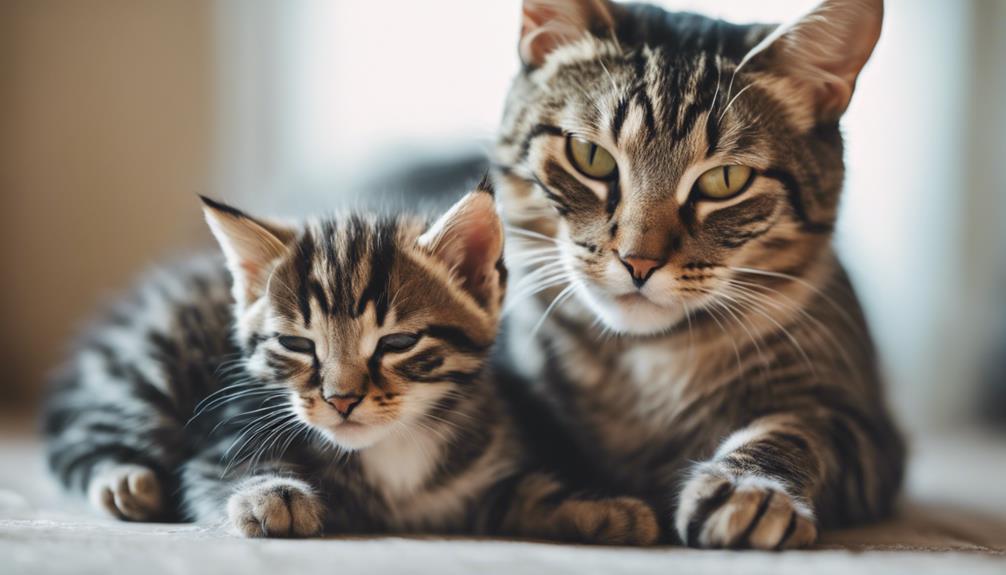
The mother cat's nursing behavior serves as a significant indicator of the completion of the labor process.
After giving birth, cats may relax and focus on nursing their newborn kittens. Longer nursing sessions and increased bonding with the kittens suggest that labor has concluded.
Mother cats typically clean and care for their kittens more extensively post-birth. Observing these behaviors can help confirm the end of the labor process.
Distressed Cat Care
If you notice a distressed mother cat, it's essential to handle the situation with care and urgency. Monitoring the health of the kittens is equally vital to guarantee their well-being.
Remember to be observant for any signs of distress or health issues in both the mother and her litter.
Handling Distressed Mother
Identifying signs of distress in a mother cat is essential for ensuring prompt and appropriate care during and after labor. Watch for symptoms such as restlessness, poor appetite, abnormal discharge, or sudden behavioral changes. Contact a vet if interventions are needed for birthing complications. Be alert to post-birth complications like retention of fetal membranes, metritis, mastitis, or eclampsia in the distressed mother cat.
| Distressed Mother Signs | Interventions Needed | Post-Birth Complications |
|---|---|---|
| Restlessness | Contact Vet | Retention of Fetal Membranes |
| Poor Appetite | Monitor Carefully | Metritis |
| Abnormal Discharge | Provide Comfort | Mastitis |
Monitoring Kitten Health
When caring for a distressed mother cat post-labor, vigilantly monitoring the health of the kittens is essential for ensuring their well-being. Watch for signs of post-birth complications such as retention of fetal membranes, metritis, mastitis, or eclampsia. Recognize symptoms promptly to seek intervention.
Behavioral cues like vocalization, straining, and nursing behavior can indicate the need for attention. Heavy breathing or panting after delivering a kitten may signal more births.
Heavy Breathing
During cat labor, heavy breathing serves as an important indicator of ongoing childbirth progress. Cats may pant and breathe heavily, especially during active labor when contractions are strong.
After delivering a kitten, if heavy breathing persists, more babies are likely on the way. Normal breathing patterns resume once all kittens are born, signaling the end of labor.
Prolonged heavy breathing or panting post-birth could indicate distress or complications.
Vocal Behavior
After the cat has completed labor, monitoring vocal behavior can provide essential insights into the cat's post-birth condition.
- Prolonged vocalization post-birth may indicate distress.
- Cats should generally become quieter after all kittens are born.
- Excessive vocalization may signal a need for veterinary attention.
- Normal post-labor vocal behavior includes minimal noise or calls to kittens.
- Monitoring changes in vocalization helps determine the conclusion of labor.
Licking Behavior

The behavior of licking in cats post-labor serves multiple important purposes in facilitating the birthing process and fostering the bond between mother cat and kittens.
Licking helps dissolve fetal membranes, clean newborn kittens, stimulate breathing, and establish a strong bond. Continuous licking by the mother cat indicates her focus on caring for her young.
Observing this behavior can signal the progression towards the end of the labor process.
What Are the Signs that Cat Labor is Progressing?
As the cat labor duration and process progresses, you may notice your cat become restless, start nesting, or panting. She may also become more vocal and seek out a quiet, secluded area. Keep an eye out for these signs as they indicate that your cat’s labor is moving forward.
Aggression Signs
Aggression signs in mother cats during labor serve as a protective mechanism to safeguard the safety of their newborn kittens.
- Aggression is a common behavior during labor
- Vocalizations, hissing, and swatting are typical signs
- Mother cats establish boundaries to protect the birthing area
- Aggression usually decreases after birth
- Indicates the mother cat's focus on the well-being of her kittens