How Long Do British Shorthair Cats Live


British Shorthair cats typically live between 12 to 14 years, with some reaching 20 years. Factors impacting longevity include diet, environment, and healthcare. A balanced diet with high-quality protein, regular vet check-ups, and a stimulating environment are essential. Genetics and responsible breeding also affect lifespan. Avoid overfeeding, maintain proper nutrition, and provide a stress-free living space to enhance their health and lifespan. Prioritize preventive healthcare, grooming, and monitoring their well-being closely. By focusing on these aspects, you can optimize the longevity and happiness of your British Shorthair companion.
Average Lifespan of British Shorthair Cats
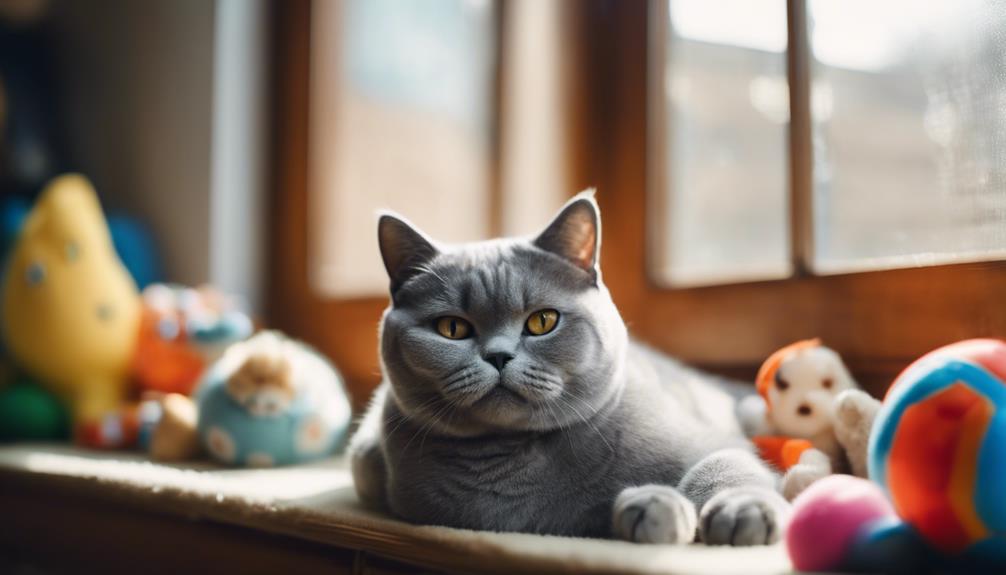
The average lifespan of British Shorthair cats typically ranges from 12 to 14 years, with some individuals living as long as 20 years under ideal care.
Factors such as nutrition, environment, and preventive healthcare play a vital role in determining the longevity of British Shorthairs.
Regular vet check-ups, a proper diet, and an enriched environment are essential for ensuring these cats live a longer and healthier life.
Factors Affecting British Shorthair Longevity
Key factors influencing the longevity of British Shorthair cats include their diet and nutrition, which should be rich in high-quality proteins to support their health. Genetics and breeding practices also play a significant role in determining the lifespan of these cats, with responsible breeding helping to reduce the risk of hereditary health issues.
Diet and Nutrition
Ensuring a balanced, high-protein diet is essential for promoting longevity in British Shorthair cats.
Overfeeding should be avoided to prevent obesity and related health issues.
Following feeding instructions on the food label can help maintain peak health.
Spaying or neutering British Shorthairs can prevent certain diseases and accidents, contributing to a longer lifespan.
Genetics and Breeding
In considering the factors influencing the longevity of British Shorthair cats, a significant aspect to explore is the role of genetics and breeding practices in shaping their lifespan. Responsible breeding practices focus on minimizing hereditary conditions and prioritizing genetic diversity and health screenings.
This approach helps enhance the overall health and lifespan expectations of British Shorthair cats, contributing to their average lifespan of 12-20 years.
Nutrition and British Shorthair Lifespan

Proper nutrition plays an essential role in the lifespan of British Shorthair cats. A balanced diet rich in high-quality protein and essential nutrients is crucial to promoting longevity.
Overfeeding should be avoided to prevent obesity, which could negatively impact the lifespan of these beloved feline companions.
Dietary Impact on Lifespan
A critical factor influencing the longevity of British Shorthair cats is the maintenance of a balanced, high-protein diet.
Overfeeding and obesity can be avoided by following feeding instructions on cat food labels.
Essential nutrients provided through a proper diet have a substantial impact on the lifespan of British Shorthairs.
High-quality commercial cat food meeting AAFCO guidelines supports a healthy lifespan for these cats.
Essential Nutrients for Longevity
To optimize the longevity of British Shorthair cats, ensuring their diet is rich in necessary nutrients such as high-quality protein, vitamins, and minerals is crucial. A well-balanced diet meeting AAFCO guidelines supports immune function, prevents obesity, and promotes overall health.
Essential nutrients play an essential role in maintaining a healthy weight and reducing the risk of age-related illnesses, contributing greatly to extending the lifespan of British Shorthairs.
Environmental Impact on Cat Longevity
Creating an enriching living environment for British Shorthair cats can greatly influence their longevity by minimizing stressors and promoting overall well-being.
- Indoor cats: Increase lifespan by reducing risks.
- Spacious living environment: Reduces stress and anxiety.
- Regular exercise and mental stimulation: Maintain healthy weight and well-being.
Genetics and British Shorthair Longevity

British Shorthair cat's longevity is greatly influenced by their genetic makeup, with an average lifespan ranging from 12 to 20 years. Genetic factors play a significant role in their lifespan, impacting their susceptibility to common health conditions.
Proper dental care, balanced nutrition, and regular vet check-ups are essential in ensuring their well-being and potentially extending their lifespan. Monitoring their genetic predispositions can aid in early detection and management of health issues.
Breeding History and Cat Lifespan
Throughout the breeding history of the British Shorthair cat, a notable trend in cat lifespan has emerged.
- British Shorthairs owe their longevity to robust health and genetic makeup.
- Proper care, including nutrition and regular vet visits, plays an essential role in extending their lifespan.
- The breed's resistance to genetic conditions contributes greatly to their extended life expectancy.
Healthcare for British Shorthairs
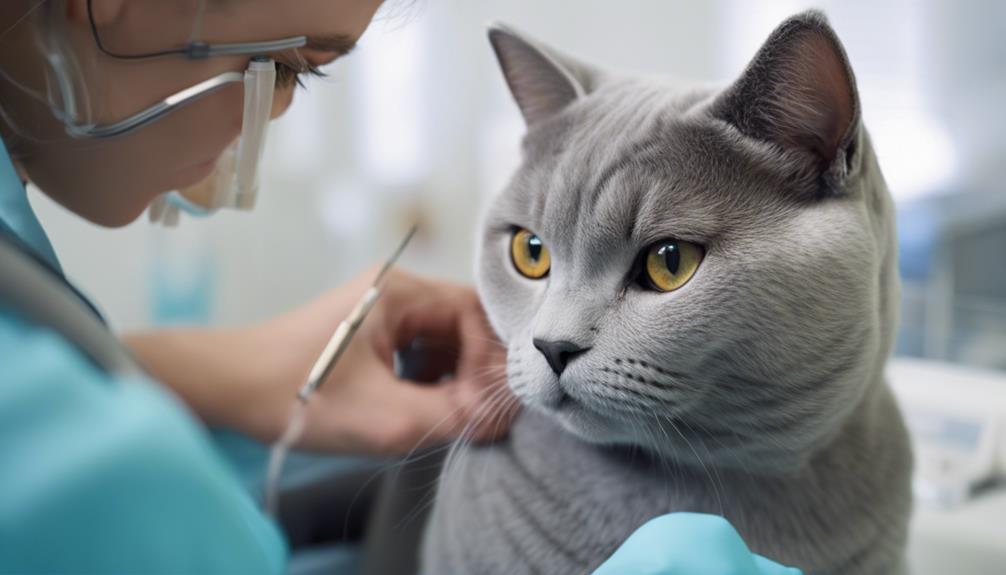
To guarantee the well-being and longevity of British Shorthair cats, prioritizing regular vet check-ups is essential. Vaccination against common diseases and parasites is important.
Spaying or neutering can prevent health issues. Introduce proper grooming habits early to secure their well-being.
Monitor their diet and nutrition closely to support overall health. These steps are essential for maintaining the health and happiness of British Shorthairs.
Do British Shorthair Cats Live Longer Than American Shorthair Cats?
Yes, British Shorthair cats generally live longer than American Shorthair cats. However, American Shorthair cats are known to be more hypoallergenic, making them a better choice for people with American Shorthair cat allergies.
Maximizing British Shorthair Longevity
When aiming to extend the lifespan of British Shorthair cats, prioritizing proper care and nutrition is essential.
- Regular vet check-ups and preventive healthcare measures are vital.
- Providing a balanced, high-protein diet and avoiding overfeeding are key factors.
- Spaying or neutering at the appropriate age can prevent health issues and increase longevity.