How Long Do Cats Live


Cats typically live for 13 to 17 years, with some exceeding their late teens or even entering their twenties. Various factors such as genetics, nutrition, and lifestyle influence their longevity. Mixed-breed cats tend to have a longer lifespan than purebred ones. Proper care, including regular veterinary check-ups and suitable nutrition, can extend their life expectancy. Understanding the different life stages of cats can aid in tailoring appropriate care. Certain cat breeds, like Birmans, are known for their longevity. The indoor environment generally promotes a longer lifespan due to reduced risks. Curious to explore more about feline longevity and health factors?
Average Cat Lifespan
The average lifespan of a cat typically ranges between 13 to 17 years, with some individuals exceeding these benchmarks and living well into their late teens or even twenties.
Various factors like genetics, nutrition, and lifestyle choices influence a cat's longevity. Mixed-breed cats generally live longer than purebred cats due to a more diverse gene pool.
Proper care, including a balanced diet and preventative healthcare, can extend a cat's lifespan.
Life Stages of Cats
Cats progress through distinct life stages, each characterized by specific physical and behavioral changes.
- Kitten (Birth to 1 year): Rapid growth, playful behavior.
- Young Adult (1-6 years): Active, reproductive maturity.
- Mature Adult (6-10 years): Stable weight, less active.
- Senior (10+ years): Slower movements, potential age-related issues.
Understanding these stages helps provide tailored care for age-related changes.
Indoor Vs. Outdoor Cats
Progressing from the discussion on life stages of felines, the environment in which cats are kept, whether indoor or outdoor, greatly impacts their overall health and longevity.
Outdoor cats face risks such as infectious diseases, trauma, and parasites, leading to a life expectancy half as long as indoor cats. Supervised outdoor activities can provide enrichment while minimizing dangers, but indoor cats generally live longer due to reduced exposure to these risks.
Factors Affecting Cat Lifespan
Factors such as environment, health conditions, and lifestyle choices play a significant role in determining the lifespan of domestic felines.
- Indoor lifestyle promotes longer lifespan
- Regular veterinary care enhances health
- Proper nutrition contributes to longevity
- Outdoor risks include accidents and infectious diseases
What Factors Can Affect the Lifespan of a Cat, Including a Scottish Fold?
The lifespan of a cat, including a Scottish Fold, can be influenced by various factors. Genetics, diet, exercise, and overall health can determine how long do Scottish Fold live. Proper veterinary care, a balanced diet, and a stimulating environment can contribute to a longer and healthier life for your feline friend.
Cat Breeds and Longevity
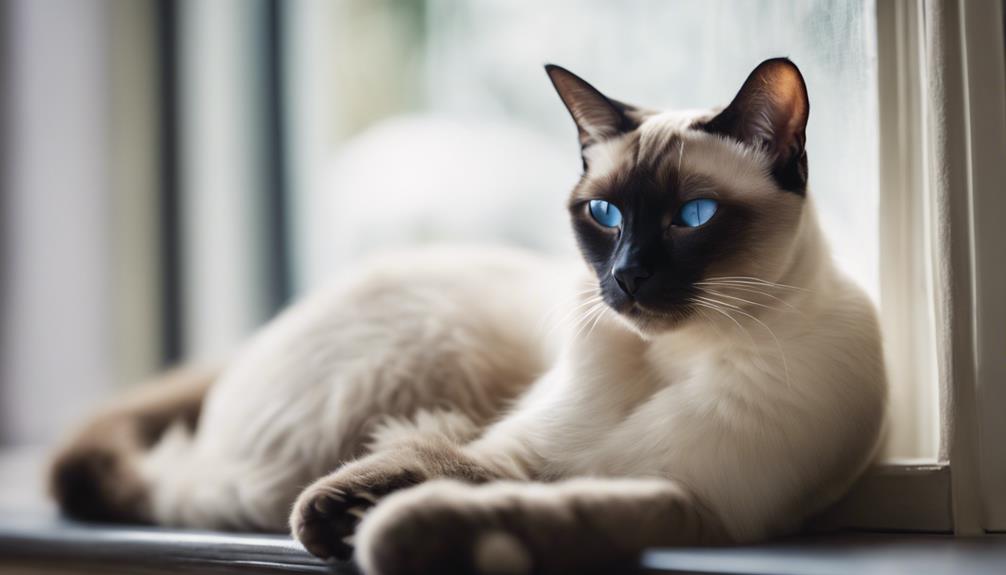
When examining the longevity of domestic felines, the impact of cat breeds becomes an essential element to take into account. Birmans are known for their longevity among purebred cats, while mixed-breed cats often have a longer lifespan due to a diverse gene pool that reduces health risks.
Purebred cats are more susceptible to hereditary health conditions, affecting their lifespan. Understanding breed-specific characteristics and health concerns is vital in extending a cat's lifespan.