How Many Cats Can You Own In Virginia

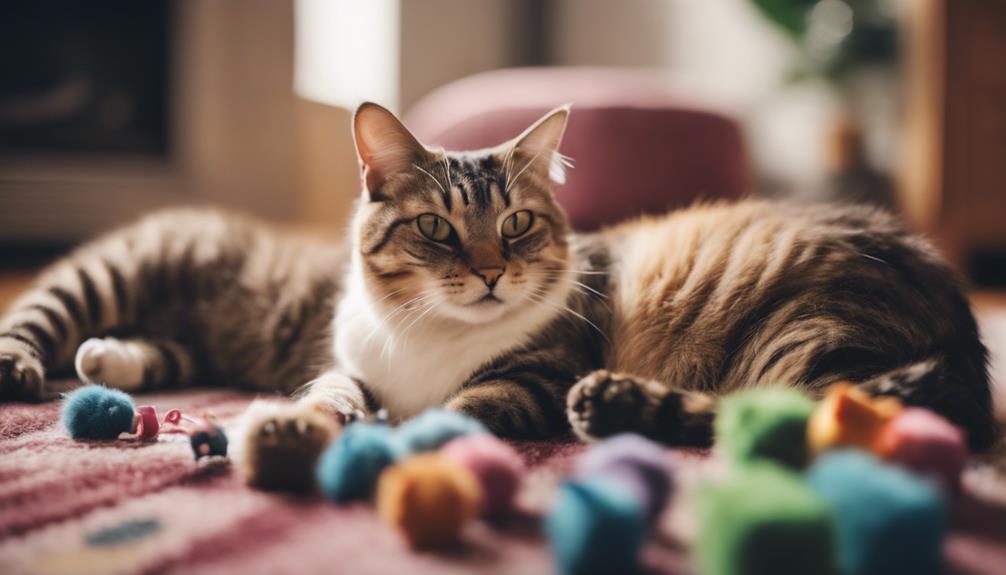
In Virginia, cat owners are required to license cats over 4 months old per State Law Code 3.2-6524. Specific regulations across counties may limit the number of cats allowed in a household. Fairfax County permits unlimited cats, while Chesterfield County restricts ownership to fewer than six felines. Different areas have varying limits on the maximum number of cats, with some allowing an unlimited amount. Regulations may exempt assistance animals from these restrictions. Understanding and complying with local ordinances on cat ownership is essential for responsible pet care and legal adherence. This information provides a foundational understanding of cat ownership regulations in Virginia.
Virginia State Laws on Cat Ownership

Virginia State Laws on Cat Ownership require all cat owners to obtain licenses for cats over 4 months old, as per Virginia Law Code 3.2-6524. These laws fall under the jurisdiction of Animal Control in Virginia.
Additionally, regulations may limit the number of cats allowed in a household, varying among different counties. For example, Fairfax County allows unlimited cats, but it's important to check with local ordinances to stay compliant.
County Regulations on Cat Ownership
When considering the regulations on cat ownership in various counties within Virginia, it is important to note the differing restrictions on the number of cats allowed in households. Fairfax County permits unlimited cats, while Chesterfield County limits ownership to fewer than six.
Henrico County allows up to four adult pets, including cats. Understanding these cat ownership limits is essential for residents in Fairfax, Chesterfield, and Henrico County to comply with local regulations.
Maximum Number of Cats Per Household
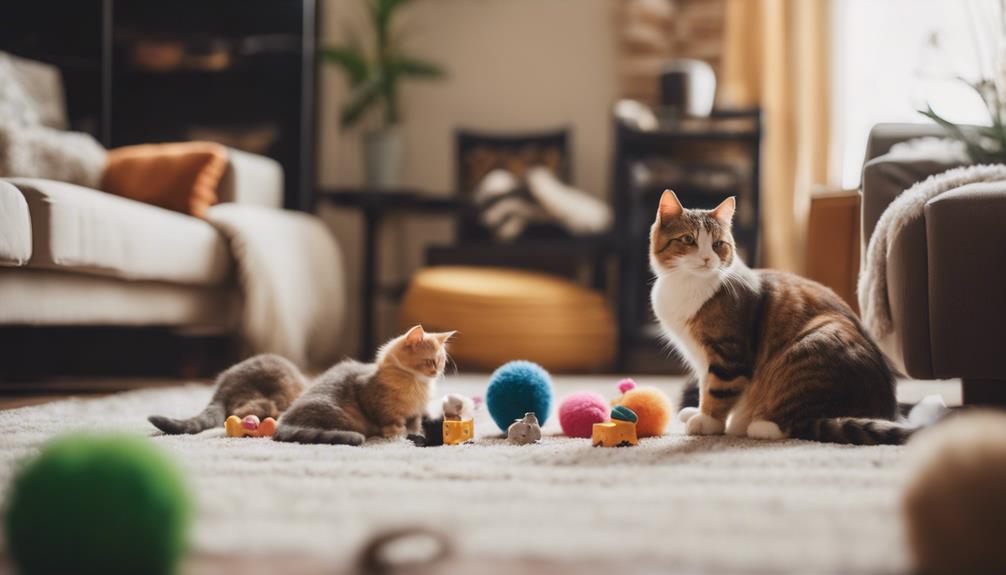
The maximum number of cats per household in Virginia is subject to local ordinances, with regulations varying between counties and cities.
While some areas may allow an unlimited number of cats on a property, others impose limits, such as fewer than six cats.
It's important to be aware of these restrictions to avoid potential legal consequences and fines for violating cat ownership regulations.
Limit on Cat Ownership
In various counties across Virginia, the maximum number of cats allowed per household ranges from unlimited in certain areas like Fairfax County to restrictions of fewer than six in places like Chesterfield County. Here is a summary of the limits on cat ownership in some Virginia counties:
| County | Maximum Number of Cats Allowed |
|---|---|
| Fairfax | Unlimited |
| Chesterfield | Less than six |
| Waynesboro | Up to five (older than 4 months) |
| Roanoke | Up to six (at least four fixed) |
Exceptions for Assistance Animals
Under certain circumstances, Virginia residents may exceed the usual limit on the number of cats in their household through exceptions granted for assistance animals. Assistance animals, such as service or emotional support animals, are typically not counted towards the maximum number of cats allowed.
To qualify for this exception, documentation or certification demonstrating the need for assistance animals due to health or disability-related reasons may be required.
Understanding Animal Hoarding
A prevalent yet often misunderstood phenomenon in the domain of animal welfare is the intricate issue of animal hoarding.
- Hoarding involves collecting an excessive number of animals beyond the caregiver's capacity.
- Virginia laws criminalize animal hoarding, addressing cases seriously.
- Hoarders often overlook animal neglect due to emotional attachment.
Prosecution of Animal Hoarding in Virginia

The legal landscape in Virginia regarding animal hoarding underscores the seriousness with which authorities approach cases of excessive animal ownership beyond caregivers' capacities. Prosecution for animal hoarding is rare but is considered animal cruelty under state laws. Virginia focuses on addressing hoarding cases to guarantee animal welfare.
Companion animal limits are in place to prevent and prosecute instances of animal hoarding, aiming to protect the well-being of animals.
Noteworthy Cases of Animal Hoarding
Animal hoarding cases in Virginia, such as Lisa Hokaj-Ross's, shed light on the serious implications of this issue. These instances serve as examples of the legal consequences that can result from exceeding the capacity to care for animals.
The impact of hoarding laws on hoarders' mental health, along with the welfare concerns for the animals involved, further emphasize the complexities surrounding animal hoarding in Virginia.
Hoarding Laws in Virginia
Hoarding laws in Virginia address the accumulation of excessive numbers of animals, often resulting in neglect and unsanitary living conditions.
- Virginia laws criminalize animal hoarding as a form of animal cruelty.
- Specific penalties are in place for individuals found guilty of animal hoarding.
- Prosecution for animal hoarding cases in Virginia is rare but taken seriously by authorities.
Psychological Impact on Hoarders
Addressing the psychological toll on individuals involved in excessive animal accumulation cases sheds light on the complexities of animal hoarding. Virginia laws criminalize animal hoarding, recognizing its impact on both hoarders and animals.
Hoarders often fail to grasp the harm their actions cause, underscoring the need for intervention and education. Cases like Lisa Hokaj-Ross's highlight the importance of enforcing companion animal limit laws to prevent animal hoarding and protect animal welfare.
Animal Welfare Concerns
Recognizing the complexities of excessive animal accumulation cases sheds light on the urgent need for intervention and education in addressing the psychological toll on individuals involved in such situations.
- Animal hoarding in Virginia can lead to criminal charges due to animal cruelty laws.
- Notable cases like Lisa Hokaj-Ross highlight the severity of animal hoarding consequences.
- Limit laws in Virginia aim to prevent animal hoarding and promote animal welfare.
Compliance With Local Pet Ownership Laws
Understanding and following local pet ownership laws is vital for cat owners in Virginia to avoid legal consequences and guarantee compliance with regulations. Different counties and cities within Virginia have varying ordinances on the number of cats allowed per household.
While areas like Fairfax County have no specific limits, regions such as Chesterfield County restrict ownership to fewer than six cats. Adhering to these regulations is essential to prevent fines or penalties.
Impact of Cat Limits on Pet Owners
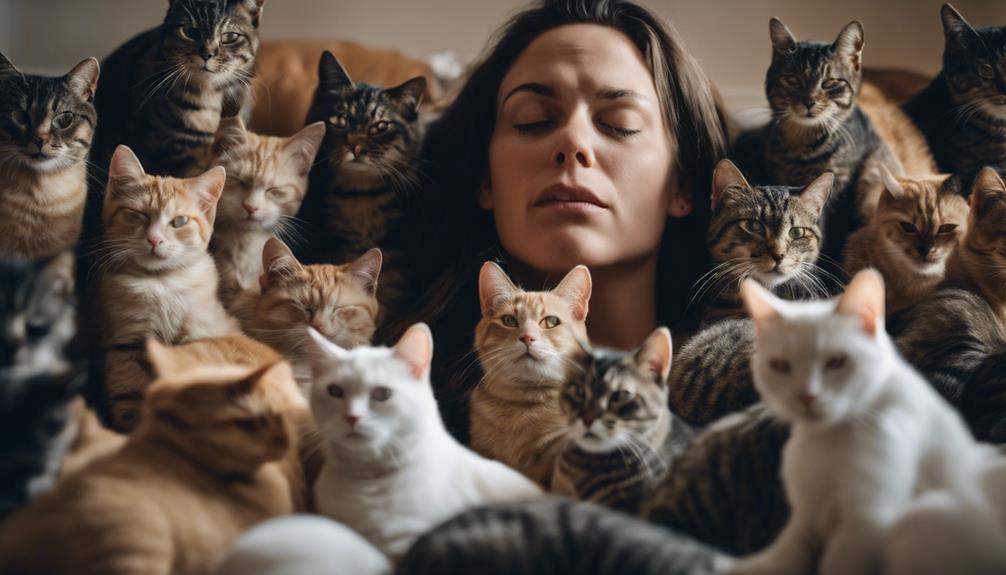
The enforcement of cat ownership limits in Virginia can greatly impact pet owners, leading to potential fines, welfare concerns, and legal repercussions.
- Fines for exceeding cat limits
- Animal welfare concerns due to overcrowding
- Need for legal advice to understand penalties
Recommendations for Virginia Residents
When it comes to owning cats in Virginia, residents should be aware of the legal limits set by their local ordinances. Understanding the regulations on cat ownership is essential to avoid any legal issues that may arise from exceeding the permitted number of felines.
Additionally, ensuring proper care for your cats and knowing about local shelter resources can help Virginia residents responsibly enjoy the companionship of their furry friends within the legal boundaries.
Legal Cat Ownership Limits
In Virginia, residents are advised to be aware of the specific legal limits on the number of cats they can own in different counties.
- Virginia Beach City and Fairfax County have no set limits on cat ownership.
- Waynesboro allows a maximum of five cats per household.
- Roanoke County permits up to six cats, with at least four being spayed or neutered.
Proper Care Essentials
Regularly monitoring and providing essential care for your cats is vital for Virginia residents to guarantee their well-being and health. Virginia cat owners should make sure each cat receives proper nutrition, grooming, and veterinary attention.
Creating a safe, stimulating environment with toys and resting spots is imperative. Monitoring health and behavior, spaying/neutering, and fostering positive interactions among cats are key responsibilities for a responsible pet owner in Virginia.
Local Shelter Resources
For Virginia residents seeking local shelter resources, the Salem animal shelter in Virginia serves as a dedicated facility for adopting and supporting animals in need.
- Adoption fees are $30 per animal without an application process.
- The shelter guarantees a healthy environment for animals and visitors.
- Donations are welcomed to aid in caring for and rehoming animals.
Is there a legal limit on the number of cats you can own in different states?
Yes, there is a legal limit on owning multiple cats in New Jersey. In this state, the legal limit on the number of cats one can own is determined by local ordinances, and it can vary from one municipality to another. It’s important to check with the local authorities to ensure compliance with the regulations.
Ensuring Responsible Cat Ownership
Guaranteeing proper adherence to local cat ownership laws and providing adequate care and resources for each feline companion is essential for responsible cat ownership in Virginia. Compliance with Virginia's cat ownership laws helps avoid penalties, while offering proper care and monitoring ensures the well-being of all cats.
Seeking guidance from veterinary services and adhering to ownership limits set by local ordinances promotes responsible and sustainable cat ownership practices.