How To Give Cats Catnip


To give cats catnip, offer fresh leaves, sprays, or treats. Catnip toys also provide mental stimulation. Cats can lick, eat, sniff, or play with catnip. Limit exposure to 5-15 min/week to avoid overexposure effects. Signs of catnip sensitivity include sniffing, purring, and licking. Benefits include playfulness and stress relief. Catnip aids in training and provides mental stimulation. Pregnant cats should avoid catnip, while kittens and seniors might be less responsive. Catnip can have sedative effects and increase engagement. Different forms like silver vine and valerian root offer alternatives. Ensure careful regulation for best effects.
Understanding Catnip Sensitivity
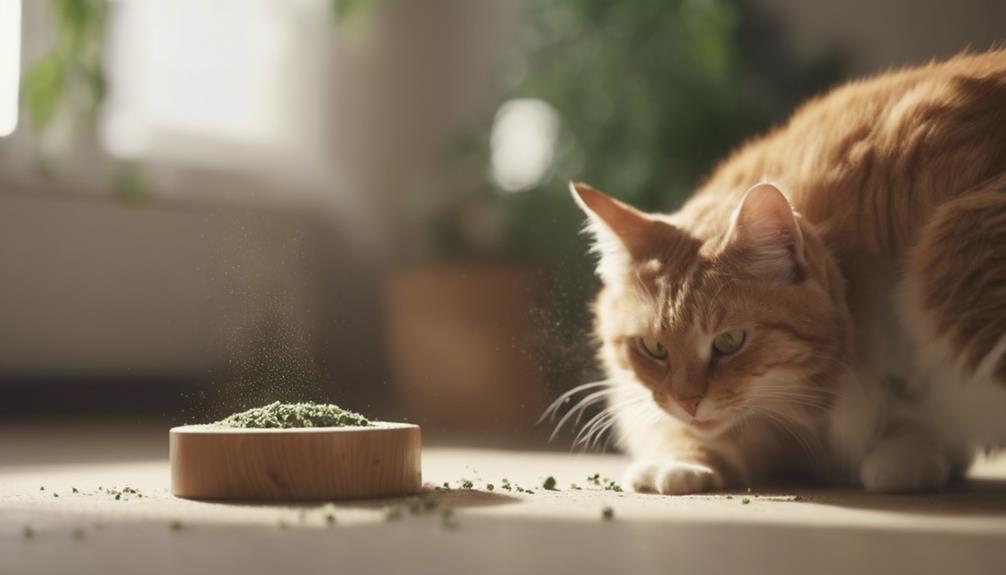
Understanding the genetic basis of catnip sensitivity is essential in determining how cats may respond to the active compound nepetalactone. Sensitivity to catnip is hereditary, affecting about 50% of cats. Overexposure can diminish its effects. Cats show varied reactions based on individual preferences.
Alternatives like silver vine, valerian root, and honeysuckle wood exist for those less sensitive. Monitoring behavior is important to prevent negative effects from catnip exposure.
Benefits of Catnip for Cats
Catnip offers various benefits for cats, including stimulating playfulness, relieving stress, aiding in training, and providing mental stimulation. When given in moderation, catnip can act as a safe and enjoyable tool for cat owners to enhance their feline companion's well-being. The effects of catnip can range from acting as a sedative to reducing stress, making it a versatile addition to a cat's toys and playtime.
| Benefits of Catnip for Cats | |
|---|---|
| – Stimulates Playfulness | – Relieves Stress |
| – Aids in Training | – Provides Mental Stimulation |
| – Safe for Cats | – Enhances Playtime |
Different Forms of Catnip
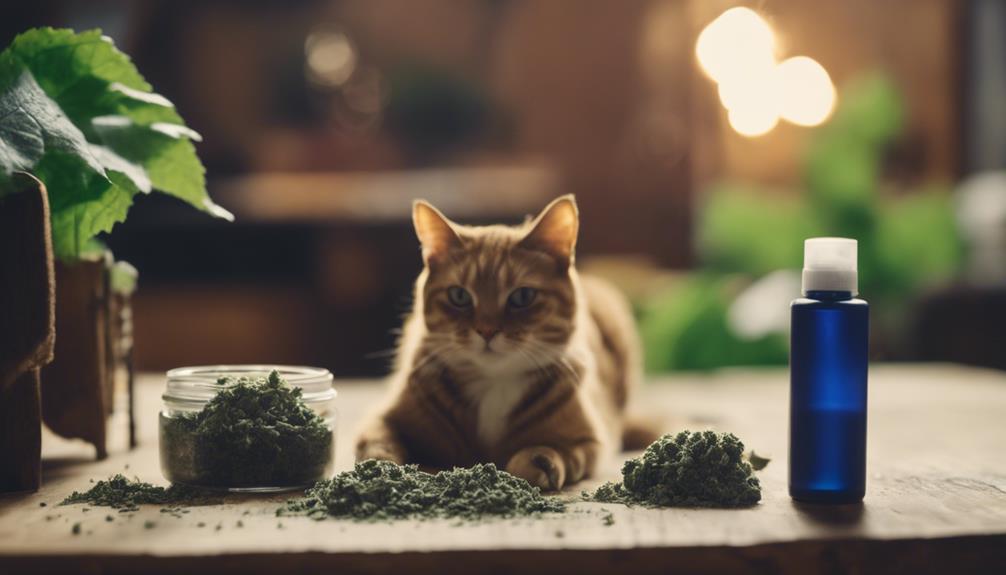
Various formulations of catnip are available to cater to different preferences of feline companions, ranging from fresh leaves to sprays and treats. Cats can experiment with catnip toys filled with dried leaves for mental stimulation.
Catnip treats offer a tasty option for ingestion. Cats can lick, eat, sniff, or play with catnip to enjoy its effects, making it a versatile option for providing mental stimulation and entertainment.
Moderating Catnip Usage
To maintain the well-being and sensitivity of feline companions, it is essential to carefully regulate the use of catnip in their routine. Overexposure can lead to digestive issues and reduced effects. Limit catnip exposure to once a week for 5-15 minutes to prevent desensitization. Sensitivity to catnip is hereditary, with kittens and senior cats being less responsive. Pregnant cats should avoid catnip due to potential adverse effects.
| Catnip Moderation | Description |
|---|---|
| Limit exposure | Once a week for 5-15 minutes |
| Effects of overexposure | Vomiting, diarrhea, desensitization |
| Hereditary sensitivity | Kittens and seniors less responsive |
| Adverse reactions | Pregnant cats should avoid |
| Maintaining effectiveness | Careful regulation is essential |
Observing Cat Behavior
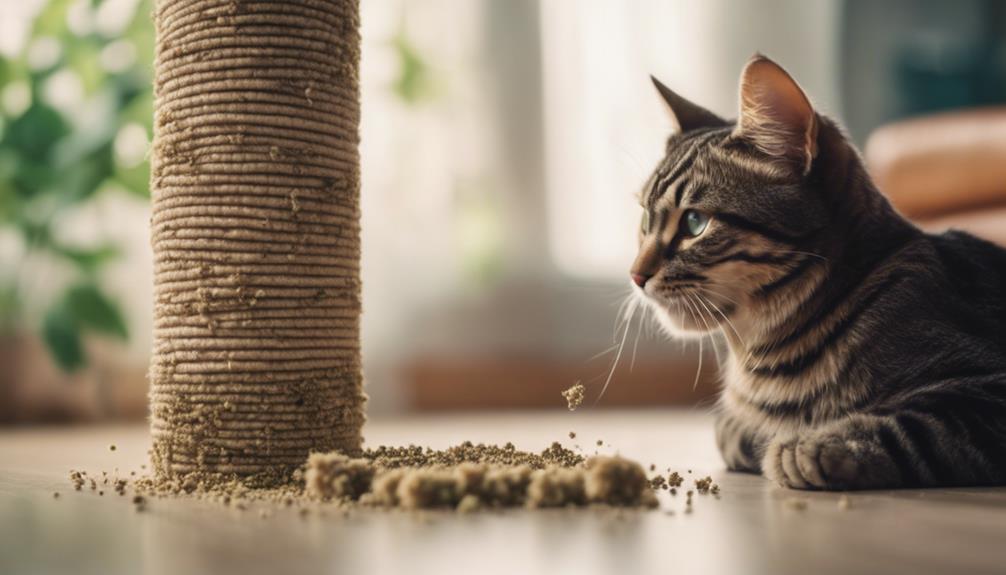
When observing your cat's behavior after exposure to catnip, pay attention to signs such as:
- Increased sniffing
- Purring
- Licking
- Rubbing
These behaviors indicate the effects of catnip on your cat and can lead to increased playfulness and interaction with catnip-infused objects. Keep track of how long these behaviors last, usually ranging from 5 to 15 minutes, and be cautious of any signs of aggression or overstimulation during this time.
Catnip Effects
Upon exposure to catnip, feline companions often exhibit distinct behaviors that include shaking their heads, rubbing against the herb, and sometimes salivating.
Up to 80% of cats are sensitive to catnip, with effects lasting 5 to 15 minutes.
Catnip can have a sedative effect, reduce stress, and act as a pest repellent for cats.
It is safe for regular use, but moderation is essential to prevent stomach upset.
Playful Reactions
After witnessing the playful reactions of cats to catnip, it is evident that this herb has a significant impact on feline behavior, manifesting in various engaging and energetic responses. Cats may exhibit behaviors like rolling, rubbing, and playing with toys, becoming more active and lively. These reactions can include chasing, pouncing, and batting at toys, all signs of the euphoria induced by catnip.
| Playful Reactions |
|---|
| Rolling |
| Rubbing |
| Chasing |
| Pouncing |
| Active |
Growing Catnip Plants
Growing catnip plants is a rewarding process that can be easily done indoors or outdoors.
By planting catnip seeds in well-drained soil, providing ample sunlight, and watering the plants regularly, you can guarantee a healthy growth.
Catnip plants, with their attractive flowers and potent nepetalactone, can be a delightful addition to your garden for both you and your feline friends.
Planting Catnip Seeds
Planting catnip seeds requires well-draining soil and full sun exposure for best growth. Regular watering is essential, but be cautious not to overwater to prevent root rot. Catnip plants can reach up to 3 feet in height, producing either white or purple flowers.
Harvest the leaves before flowering for the greatest potency. These plants are versatile, thriving both indoors and outdoors, making them ideal for cat owners.
Providing Proper Sunlight
Ensuring adequate sunlight exposure is essential for cultivating thriving catnip plants that produce potent leaves rich in nepetalactone, the compound responsible for cats' unique reactions. Catnip plants require at least 6 hours of direct sunlight daily for best growth and potency. Lack of sunlight can lead to leggy plants with reduced effectiveness.
Proper sunlight exposure is vital for healthy and robust catnip plants, ensuring your cat's enjoyment.
Watering Catnip Plants
To support the healthy growth of catnip plants, maintaining appropriate moisture levels through proper watering practices is essential. Catnip plants thrive in well-drained soil and full sun exposure.
Water them regularly, allowing the soil to slightly dry between waterings. Avoid overwatering to prevent root rot. Young catnip plants need more frequent watering.
Consider using drip irrigation or a watering schedule for consistent moisture.
Can Cats Have Catnip as Kittens?
If you are picking up a kitten guide, you will find that it’s safe for kittens to have catnip in moderation. At around 3 to 6 months old, cats can start to enjoy the effects of catnip. Always consult with a veterinarian before introducing new things to your kitten’s diet.
Catnip Dos and Don'ts
When giving cats catnip, it is important to understand the dos and don'ts to guarantee a positive and safe experience for your feline companion. It is recommended to use catnip as a treat in small doses, favoring catnip-infused products and fresh over dried catnip. Avoid giving catnip to aggressive cats, kittens under 6 months old, and senior cats. Monitor your cat's behavior while using catnip to make sure a pleasant interaction.
| Dos | Don'ts |
|---|---|
| Use catnip as a treat | Avoid giving catnip to aggressive cats |
| Use small doses | Avoid overusing catnip |
| Use catnip-infused products | Avoid giving too much to kittens and senior cats |