How To Make A Hyperthyroid Cat Gain Weight


To help a hyperthyroid cat gain weight, focus on a diet rich in protein and low in carbohydrates. Choose quality meat-based foods and steer clear of high-carb dry options. Implement small, frequent meals to support weight gain and provide consistent nutrient intake. Monitor progress by weighing regularly and observing changes in muscle mass and energy levels. Collaborate with a veterinarian for a personalized plan, including high-energy food recommendations and regular check-ups. By tailoring the diet, implementing strategic meals, monitoring progress, and working with a vet, you can support your hyperthyroid cat in gaining weight effectively.
Understanding Hyperthyroidism in Cats

Hyperthyroidism in cats is a prevalent endocrine disorder characterized by an overactive thyroid gland, commonly affecting middle-aged and older felines. Symptoms include weight loss, increased thirst, restlessness, weakness, and a dull coat.
Diagnosis involves measuring thyroid hormone levels through a blood test. Treatment options encompass medication, surgery, radio-iodine therapy, and special prescription diets like Hill's Prescription Diet y/d Thyroid Care to manage health issues efficiently.
Tailoring the Cat's Diet for Weight Gain
Tailoring a cat's diet to promote weight gain involves incorporating high-protein foods to help maintain muscle mass in felines with hyperthyroidism. Low carbohydrate diets are recommended to reduce the risk of diabetes, a common complication of this condition.
Quality meat should be a primary ingredient to support weight gain in hyperthyroid cats. Avoiding dry cat food high in carbohydrates can prevent muscle wasting and promote healthy weight gain while providing essential nutrition.
Implementing Small, Frequent Meals
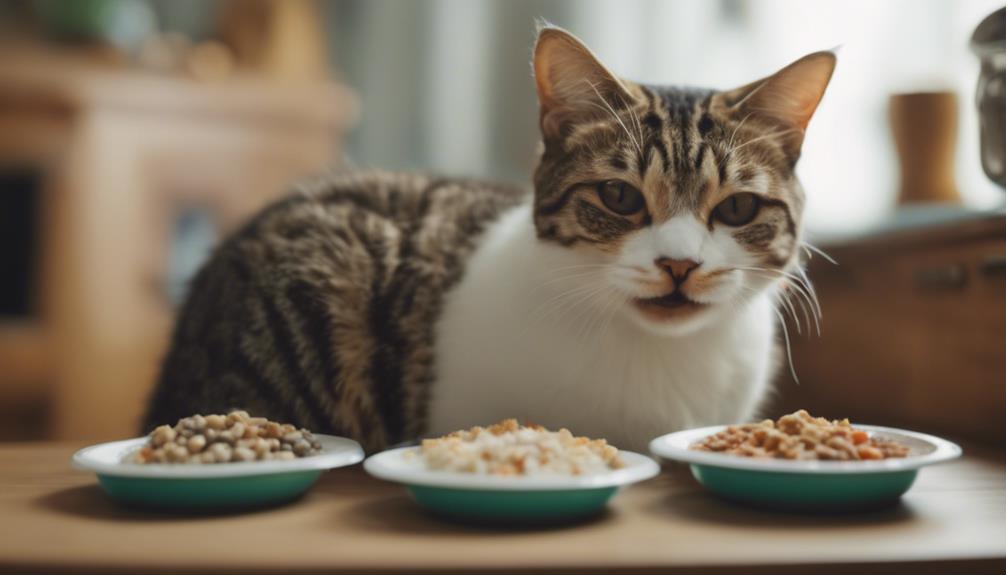
Implementing a regimen of small, frequent meals is a strategic approach to supporting weight gain in hyperthyroid cats. This feeding method offers several benefits for the cat's health and well-being:
- Helps maintain steady energy levels throughout the day.
- Prevents excessive strain on the cat's digestive system.
- Aids in weight gain by ensuring the cat receives enough nutrients and calories consistently.
Monitoring Weight Gain Progress
To effectively monitor the weight gain progress of a hyperthyroid cat, regular weighing and observation of body condition score changes are essential components of evaluating the success of interventions.
Look for signs like improved muscle mass and energy levels. Consult your veterinarian for adjustments to the diet or treatment plan based on monitoring progress.
Keep a detailed record of weight gain milestones to assess the effectiveness of interventions.
Can stress from cats not getting along cause hyperthyroidism in cats and lead to weight loss?
The stress from cats not getting along can indeed contribute to hyperthyroidism in cats and lead to weight loss. To promote a peaceful environment, try using pheromone diffusers, providing enough resources for each cat, and seeking veterinary advice for tips for cat harmony.
Collaborating With the Veterinarian for Success

Working in partnership with your veterinarian is essential for the successful weight gain journey of your hyperthyroid cat.
Tips for Collaborating with Your Veterinarian:
- Tailored Plan: Consult with your vet for a personalized weight gain plan.
- Dietary Changes: Your vet can recommend high-energy food for effective weight gain.
- Monitoring Progress: Regular check-ups and adjustments by your vet can optimize your cat's weight management.