How To Moisturize Cat Paws


To moisturize your cat's paws effectively, opt for a moisturizer made for feline skin. Look for products with natural ingredients like shea butter or coconut oil, avoiding ones with essential oils or fragrances. Prioritize consulting your vet beforehand. Start by ensuring your cat's paws are clean and dry. Gently massage the paw pads and inspect for any cuts or cracks. Use cat-safe paw balms, applying a thin, even layer focused on dry areas. To maintain paw health, use a soft cloth for application, gently massage, and regularly moisturize to prevent dryness. Schedule a vet consultation for tailored recommendations on paw care.
Selecting the Right Moisturizer
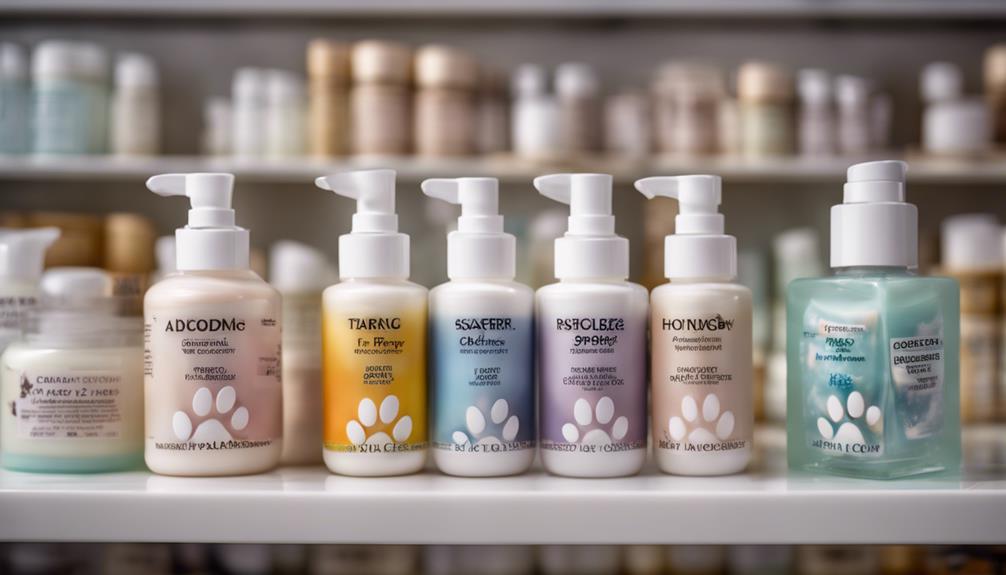
When selecting a moisturizer for your cat's paws, it is essential to choose a product specifically formulated for feline skin to guarantee safety and effectiveness.
Opt for moisturizers containing natural ingredients like shea butter, coconut oil, or fish oil for hydration.
Avoid products with essential oils or fragrances that could harm your cat.
Prioritize a veterinarian consultation before introducing any new moisturizer to your cat's paws.
Prepping Your Cat's Paws
To properly prepare your cat's paws for moisturization, make sure they are clean and dry before applying any moisturizing product.
- Gently massage your cat's paw pads to improve circulation and prepare them for moisturization.
- Check for any cuts, cracks, or irritations on the paw pads before moisturizing.
- Use cat-safe moisturizing products like paw balms or oils to prevent any adverse reactions.
- Apply the moisturizer in a thin, even layer to the paw pads, focusing on areas that are dry or cracked.
Application Techniques for Paw Care
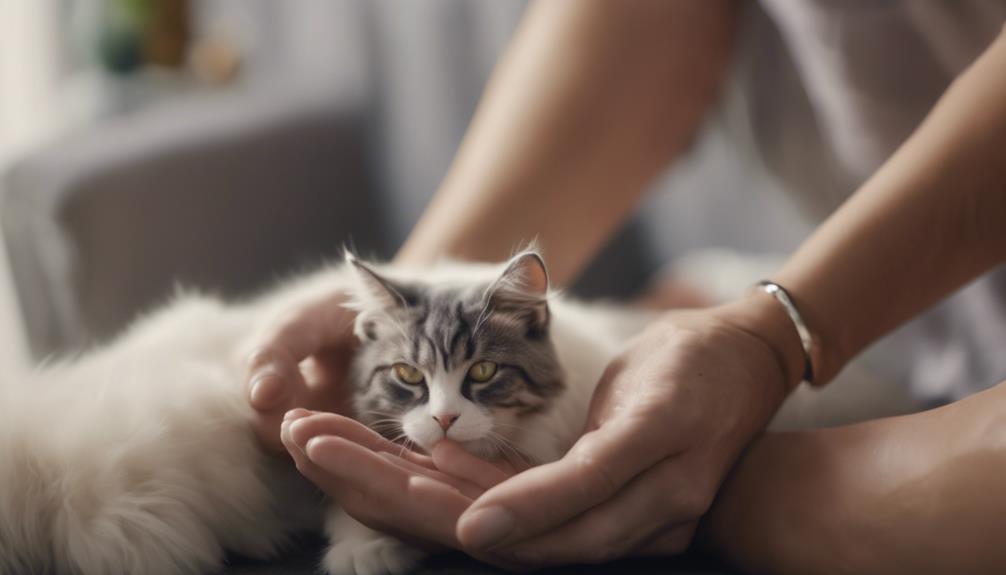
Proper application techniques play an essential role in maintaining the health and hydration of your cat's paw pads.
To care for dry paw pads, use a soft cloth to apply a thin layer of moisturizer like petroleum jelly.
Gently massage the moisturizer into your cat's paw pads, ensuring absorption.
Consistency is key in cat paw care – regularly applying moisturizer helps keep paw pads hydrated, preventing dryness and cracked paw pads.
Maintaining Paw Health in Cats
Regular maintenance of your cat's paw health is essential for preventing infections and ensuring overall well-being.
- Moisturizing cat paws with safe remedies like petroleum jelly or coconut oil helps prevent dryness.
- Inspecting and cleaning cat paw pads daily can prevent infections and maintain paw hygiene.
- Indoor living and a healthy diet are preventive measures for maintaining paw health in cats.
Can Softening Dry Cat Foods Help with Moisturizing Cat Paws?
Many cat owners wonder if the dry cat food softening process can help moisturize their cat’s paws. Softening the dry food with water can potentially increase hydration, benefiting your cat’s overall health. However, it’s essential to consult with a veterinarian before making any changes to your cat’s diet.
Consultation With Your Veterinarian
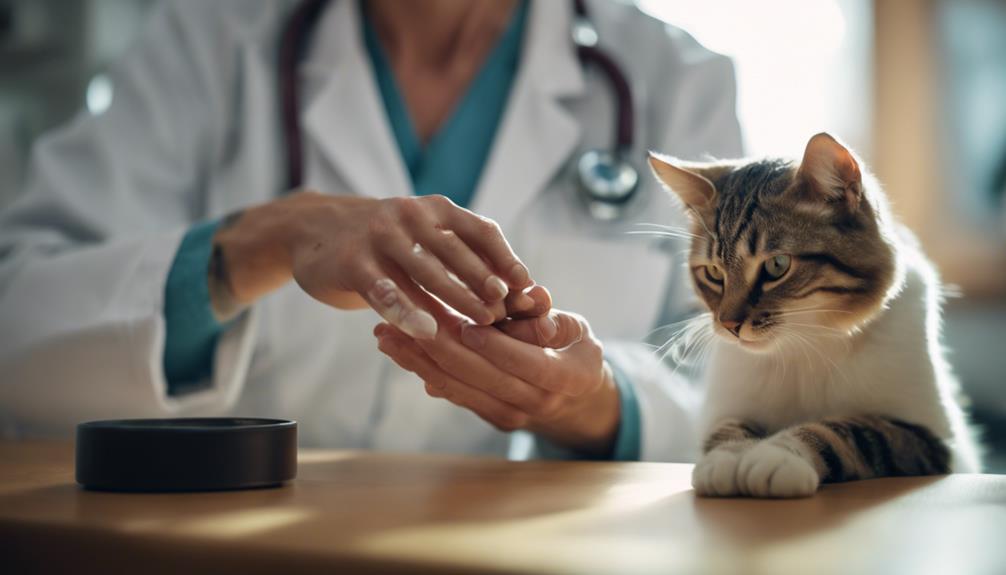
When seeking guidance on moisturizing your cat's paw pads, consulting with your veterinarian is essential for tailored recommendations and proper care. Veterinarians can recommend safe and effective products based on your cat's specific needs. They can provide guidance on how to properly apply moisturizers to your cat's paws and address any underlying issues contributing to dry or cracked paw pads, ensuring the health and well-being of your cat's paws.
| Consultation with your veterinarian | Best moisturizing options | Safe and effective products |
|---|---|---|
| Apply moisturizers | Underlying issues | Veterinary advice |