How To Socialize Your Kitten


Socializing your kitten between 2 to 7 weeks shapes its behavior and prevents fear in adulthood. Positive interactions build trust and confidence, vital for friendly cats. Tailor socialization techniques to your kitten's unique traits for success. Utilize high-value treats and engaging play to reinforce positive behaviors. Exposure to various stimuli and gradual handling are key to well-rounded development. Consider introducing your kitten to different environments and animals gradually. Successful socialization fosters a well-adjusted and confident adult cat. Essential factors include patience, consistency, and observing your kitten's responses. Embrace these tips to nurture a socially adept feline companion.
Importance of Socializing Kittens
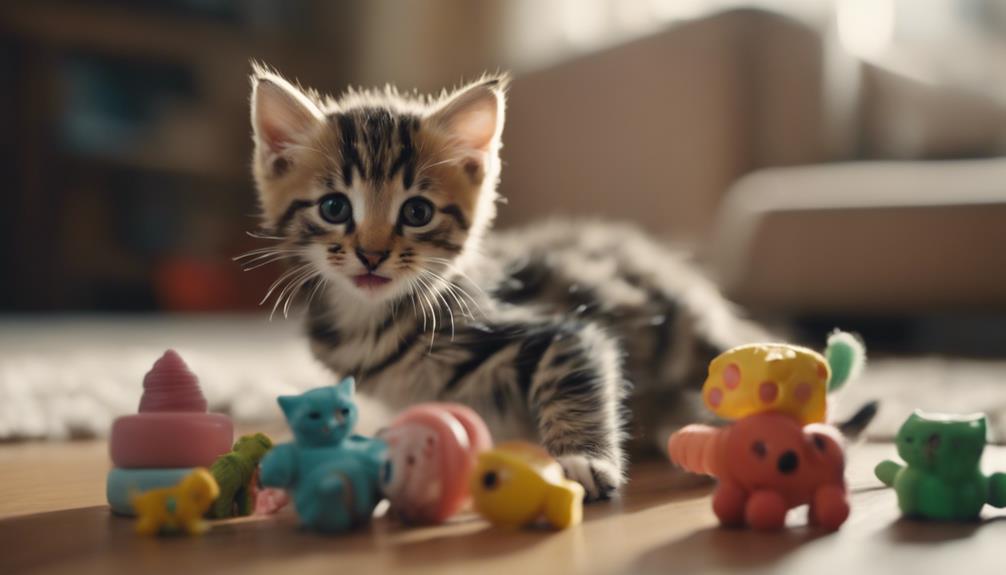
Socializing kittens during their early developmental period, typically between 2 to 7 weeks, plays an essential role in shaping their behavior and temperament as they mature into adult cats.
Well-socialized kittens are familiar with various stimuli, reducing the risk of fearful behavior later on.
Early socialization prevents fear and aggression in mature cats, promoting positive interactions with their environment.
Proper socialization leads to well-adjusted, friendly adult cats comfortable in various social situations.
Early Socialization Period
During the early socialization period, which spans from 2 to 7 weeks of age, kittens are most open to new experiences that shape their future behavior. Positive interactions with humans are essential during this time to foster trust, reduce fear, and develop social skills.
Exposure to various stimuli like people, pets, sounds, textures, and environments helps kittens become friendly, confident, and adaptable adult cats.
Critical Socialization Window
The critical socialization window for kittens, spanning from 2 to 7 weeks of age, is a pivotal period that greatly influences their future behavior and temperament.
- Proper socialization during this early period is important for friendly and confident cats.
- Exposure to various stimuli and experiences is necessary for well-rounded development.
- Gradually increasing handling and petting helps kittens become comfortable with human interaction.
- Ensuring the mother cat's approval before handling the kittens is essential for successful socialization.
Positive Human Interactions
Engaging with kittens in a gentle and consistent manner during the early socialization period fosters trust and confidence in their interactions with humans. Spending time petting, talking softly, and handling young kittens daily creates positive experiences with humans. This helps kittens associate people with comfort and security. Positive interactions during this critical time set the stage for friendly and well-adjusted adult cats, preventing fear and aggression issues.
| Positive Human Interactions | Benefits for Kittens |
|---|---|
| Gentle handling daily | Builds trust and confidence |
| Petting and talking softly | Associates humans with comfort |
| Consistent positive experiences | Prevents fear and aggression |
Exposure to New Experiences
Introducing kittens to a variety of new experiences is essential during the early socialization period to cultivate confidence and adaptability.
- Expose kittens to different textures, sounds, and smells.
- Gradual exposure helps develop positive associations.
- Reduces fear responses.
- Familiarizes kittens with everyday situations and environments.
Tailoring Techniques to Personality
When socializing your kitten, it is important to tailor your techniques to their unique personality traits. By observing whether your kitten is outgoing or shy, you can adjust your approach accordingly.
Providing personalized interactions, such as using favorite treats or toys, can help motivate and engage your kitten during socialization.
Understanding Kitten's Traits
Understanding a kitten's traits is essential for tailoring socialization techniques to their individual personality, enhancing the effectiveness of the process.
- Some kittens are naturally more outgoing and social.
- Others might be shy or cautious.
- Tailoring socialization strategies to match the kitten's personality is vital.
- This customization helps them become well-adjusted and confident adult cats.
Adapting Socialization Methods
In tailoring socialization methods to a kitten's personality, keen observation and adaptability are key factors for successful integration into their environment.
When working with young kittens, gently hold them to build trust and familiarity. Gradually expose them to different areas around the house, adjusting based on their comfort level.
This personalized approach helps the kitten feel secure and gradually become more socialized.
Patience and Consistency
Tailoring socialization techniques to a kitten's unique personality and comfort level is essential for fostering trust and confidence during the socialization process.
- Allow time for the kitten to adjust.
- Be patient and provide gentle encouragement.
- Consistently engage in positive interactions.
- Observe and adapt based on the kitten's responses.
Using Treats and Play
When socializing your kitten, utilizing high-value treats and engaging play activities can effectively encourage positive interactions and behavior. Introduce your kitten to high-value treats like cooked chicken or freeze-dried meat to reward social behavior.
Incorporate treat-dispensing toys to engage kittens in play and encourage socialization. Rotate different treats to maintain interest and motivation during socialization sessions, reinforcing desired behaviors like approaching new people or exploring new environments.
Exposure to Different Environments
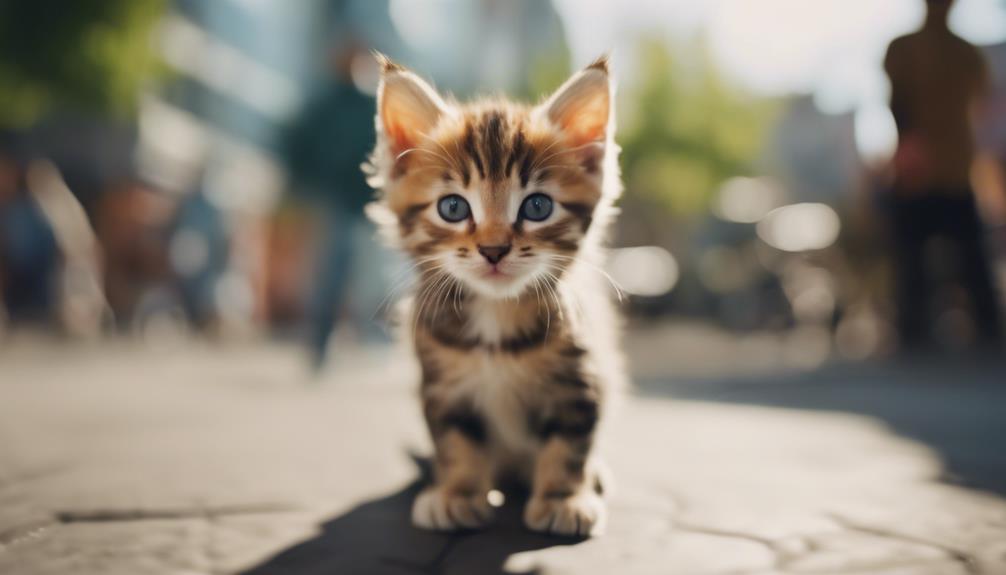
To further acclimate your kitten to diverse experiences and enhance their adaptability, introducing them to a range of environments is essential in fostering well-rounded socialization and confidence.
- Allow exposure to different sounds.
- Introduce varied smells and textures.
- Provide experiences on different surfaces.
- Familiarize kittens with safe outdoor environments.
Introducing to Other Animals
Gradual introduction to other animals is vital in guaranteeing a positive socialization experience for your kitten.
When introducing your kitten to new people or other pets, place the kitten in a safe and controlled environment.
Prior to direct meetings, give kittens time to adjust by transferring scents between animals.
Monitor interactions closely and be prepared to separate pets if any signs of aggression arise.
It's essential to confirm all animals are healthy and vaccinated before introductions to prevent any health risks.
Handling and Grooming
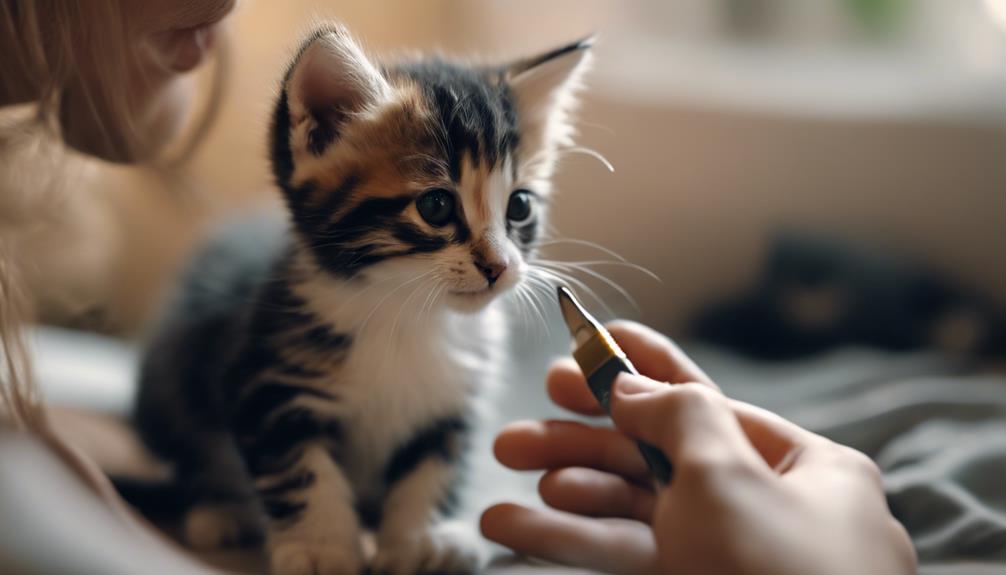
Ensuring your kitten becomes comfortable with handling and grooming practices is essential for their overall well-being and your bond with them.
- Handle your kitten gently and frequently to build trust and familiarity.
- Start grooming early with short sessions to get your kitten used to being brushed or combed.
- Use positive reinforcement like treats to associate grooming with a positive experience.
- Introduce nail trimming gradually to prevent scratching and make it a routine part of grooming.
Does Proper Socialization Play a Role in Taking Care of a New Kitten?
Proper socialization is crucial for kitten care tips. Introducing your new kitten to a variety of people, animals, and experiences can help them become well-adjusted adults. Socializing early can prevent behavior issues and anxiety. Provide positive interactions and a safe environment to set your kitten up for success.
Incorporating Positive Reinforcement
When socializing your kitten, incorporating positive reinforcement through the use of treats, praise, and toys is essential for reinforcing desired behaviors.
Reward your kitten immediately after exhibiting positive social behaviors to strengthen the bond between you and your kitten.
Consistency in rewarding good behavior helps kittens learn social skills effectively, encouraging them to feel safe and secure during socialization.