How To Stop Cat From Spraying


To stop your cat from spraying, first, consider any underlying medical issues like UTIs or kidney disease by consulting a vet. Neutering reduces spraying in males, while spaying prevents territorial spraying in females. Guarantee ample litter boxes, one per cat plus an extra. Use unscented litter and keep it clean. Synthetic pheromones like Feliway discourage spraying by creating a comforting environment. Increase playtime with interactive toys to stimulate and bond with your cat. These strategies can help deter spraying behavior effectively. Additional recommendations can offer further insights.
Underlying Medical Issues

When addressing the issue of spraying behavior in cats, it is imperative to first consider the potential underlying medical issues that could be contributing to this behavior.
Medical problems such as urinary tract infections (UTIs), cystitis, kidney disease, or diabetes can lead to inappropriate elimination. A vet consultation is essential to diagnose and treat these conditions, which can help alleviate spraying behavior in cats.
Neutering and Spaying
Neutering and spaying are essential measures to reduce spraying behavior in cats.
Neutering can decrease spraying in male cats by up to 90%, while spaying can prevent territorial spraying in females. These procedures reduce the activity of scent glands responsible for marking behavior.
It is important to neuter or spay cats before sexual maturity for the best results. Consult a veterinarian to determine the best timing and approach to prevent spraying.
Providing Adequate Litter Boxes

To prevent spraying behavior, it's essential to have multiple litter boxes available in the household. Make sure you provide one litter box per cat plus an extra one to offer ample options for toileting.
Proper placement of litter boxes in quiet, accessible areas can encourage your cats to use them regularly.
Multiple Litter Box
For optimal litter box management in a multi-cat household, it is advisable to provide one litter box per cat along with an additional box to prevent territorial issues.
Place the litter boxes in quiet, easily accessible locations to encourage use and guarantee they are large enough for comfortable movement.
Use unscented, clumping litter, and maintain cleanliness by scooping regularly to prevent aversions and urine marking.
Proper Placement
When ensuring proper litter box placement in a multi-cat household, it is important to take into account providing adequate boxes strategically located to accommodate each cat's individual needs and minimize territorial conflicts. Cats prefer low-traffic areas for litter boxes to prevent marking behavior. Regular cleaning is essential to maintain a comfortable environment. Below is a visual representation of ideal litter box placement:
| Factors to Consider | Examples |
|---|---|
| Important, to take into account | Spare bedrooms, closets |
| Accessibility | Two exit routes |
| Avoidance | Noisy appliances, food/water bowls |
| Maintenance | Regular cleaning |
Using Synthetic Pheromones
Synthetic pheromones, such as Feliway, can play an essential role in deterring cats from spraying in the house. Understanding the effectiveness of pheromone sprays, the various application methods available, and selecting the appropriate brand are key points to keep in mind when using synthetic pheromones to address spraying behavior in cats.
Pheromone Spray Effectiveness
Pheromone sprays containing synthetic compounds, such as Feliway, have demonstrated effectiveness in reducing cat spraying behavior by replicating natural calming signals. These sprays create familiarity and security, lowering stress levels and decreasing unwanted behaviors.
Application Methods for Pheromones
Utilizing various forms such as diffusers, sprays, and collars, synthetic pheromones like Feliway can effectively aid in managing and reducing cat spraying behavior.
Diffusers release calming pheromones into the air, while sprays deter marking on specific areas.
Collars provide continuous exposure for cats prone to spraying.
These applications help create a more relaxed environment, reducing the need for cats to mark their territory with urine.
Choosing the Right Brand
When considering the selection of a brand for synthetic pheromones to address cat spraying behavior, it is crucial to prioritize efficacy and compatibility with your cat's needs.
Feliway, a popular choice, can help reduce spraying behavior by creating a calming environment that minimizes the need for territorial marking. Studies show it is effective in households with multiple cats, preventing stress-related behaviors through various forms like diffusers.
Increasing Playtime
To reduce spraying behavior in cats, incorporating increased playtime into their daily routine is a beneficial strategy.
- Engage your cat with interactive toys like feather wands or laser pointers.
- Provide mental stimulation and physical exercise through regular play sessions.
- Strengthen your bond with your cat, creating a positive environment for behavior modification.
Maintaining Clean Environment
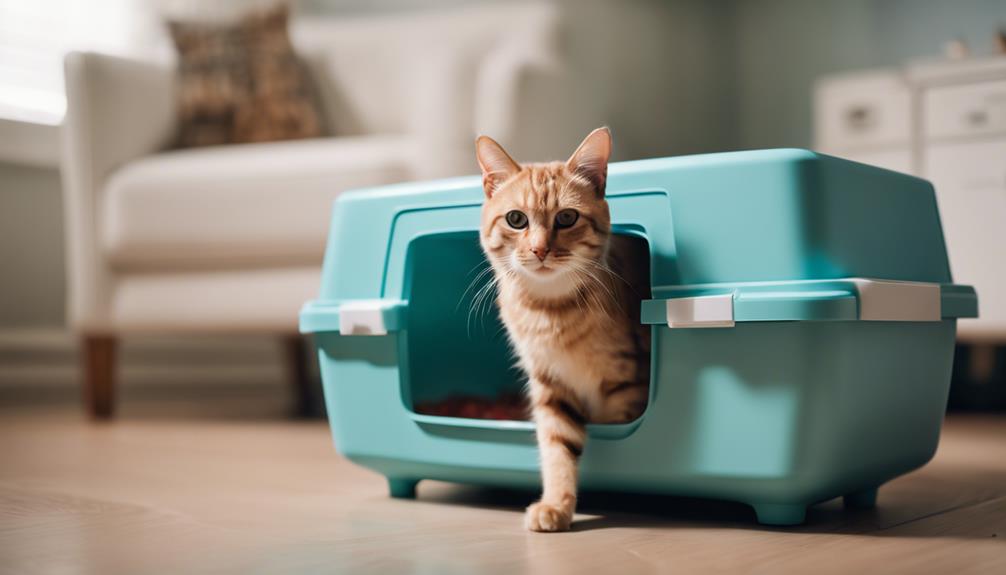
Ensuring a hygienic living space is essential in deterring cats from spraying indoors. Regularly clean litter boxes to prevent litter box problems and ensure clean litter. Cats spray to mark their territory, soiled litter may lead to spraying outside the box. Consider using synthetic pheromones to help stop your cat spraying. Addressing these factors can help maintain a clean environment and discourage indoor spraying.
| Clean Litter Boxes | Deter Spraying | Use Synthetic Pheromones |
|---|---|---|
| Prevent problems | Discourage behavior | Aid in behavior modification |
Consistency and Patience
In maintaining a hygienic living space to deter cats from spraying indoors, consistency in training and patience are key factors to effectively address this behavior.
- Help your cat feel secure by providing multiple litter boxes in various locations.
- Rule out medical issues that could cause your cat to spray.
- Understand that female cats also mark their territory, not just males.
Is Incense a Trigger for Cats to Spray?
Many experts advise against the practice of safely burning incense around cats, as the strong scents may trigger them to spray. It’s best to keep incense away from feline friends to avoid any potential behavior issues.
Avoiding Punitive Measures

Using punitive measures to address cat spraying behavior can be counterproductive and detrimental to your cat's well-being and the bond you share. Punishment such as rubbing a cat's nose in urine may worsen spraying, leading to fear and stress.
Instead, focus on positive reinforcement and behavior modification techniques. Addressing the underlying cause of spraying is essential. Seek guidance from a veterinarian or behavior expert for effective and humane strategies.