How To Take Care Of A Cat


To care for a cat properly, focus on house training by maintaining a clean litter box in a quiet spot. Follow feeding guidelines, offering balanced diets and fresh water. Regular vet checkups are crucial for health monitoring. Choose a cat that fits your lifestyle and consider spaying or neutering for their well-being. Provide essential nutrients, toys for behavioral enrichment, and grooming, like trimming nails and brushing fur. Prioritize veterinary care for overall well-being. Complete care involves attention to litter, food, health, behavior, grooming, and regular vet visits. More tips await for a harmonious cat-owner relationship.
Housetraining
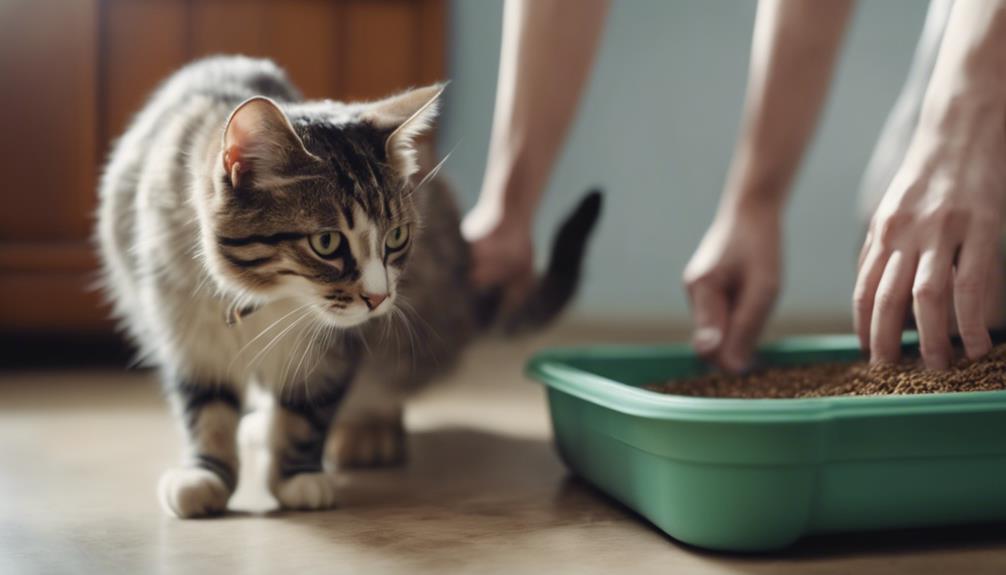
When housetraining a cat, it is essential to establish a suitable litter box routine to promote proper elimination habits. Place the litter box in a quiet, accessible spot.
Clean it daily and change litter weekly for cleanliness. Provide multiple boxes for multiple cats to prevent territorial issues. Use positive reinforcement when your cat uses the litter box correctly.
Monitor habits for sudden changes signaling health problems.
Feeding Guidelines
What are the essential feeding guidelines to guarantee your cat's peak health and well-being? It is important to offer age-appropriate balanced diets to meet your cat's nutritional needs. Consult a veterinarian for specific feeding recommendations based on your cat's health and age. Monitor your cat's weight and adjust feeding portions as needed for a healthy body condition. Provide fresh water at all times to make sure proper hydration.
| Feeding Guidelines | |
|---|---|
| Cat Food | Balanced diets |
| Nutritional Needs | Consult a vet |
| Feeding Recommendations | Monitor weight |
| Fresh Water | Avoid harmful foods |
Health Monitoring

Monitoring your cat's health is vital for their well-being. Regular vet checkups are essential to catch any potential issues early.
Watching for symptoms and changes in behavior can help address health problems promptly.
Regular Vet Checkups
Regular veterinary checkups play a pivotal role in maintaining the overall health and well-being of your feline companion.
Annual wellness exams are essential for monitoring health, providing preventive care, and conducting routine screenings, including dental exams.
These checkups help identify any health issues early on, ensuring your cat receives timely treatment and care.
Establishing a good relationship with your veterinarian allows for tailored advice and personalized care to meet your cat's specific needs.
Watch for Symptoms
Vigilance in observing and recognizing potential symptoms is essential in maintaining your cat's health and well-being.
To keep your cat healthy and happy, monitor for changes in litter box habits, weight, appetite, and coat condition.
Watch out for symptoms such as vomiting, diarrhea, coughing, and breathing difficulties.
Regularly check ears, eyes, and teeth for any abnormalities.
Early detection can lead to prompt treatment and a better prognosis for your feline friend.
Choosing the Right Cat
When selecting a cat as a pet, it is important to carefully consider factors such as your lifestyle and living space to guarantee a harmonious match.
Evaluate your ability to commit to the long-term care of cats before adoption. Spend time at shelters interacting with cats to assess their personalities.
Take into account the specific needs and characteristics of different cat breeds or personalities to find the right fit. Provide a safe and stimulating environment to support their well-being.
Spaying or Neutering
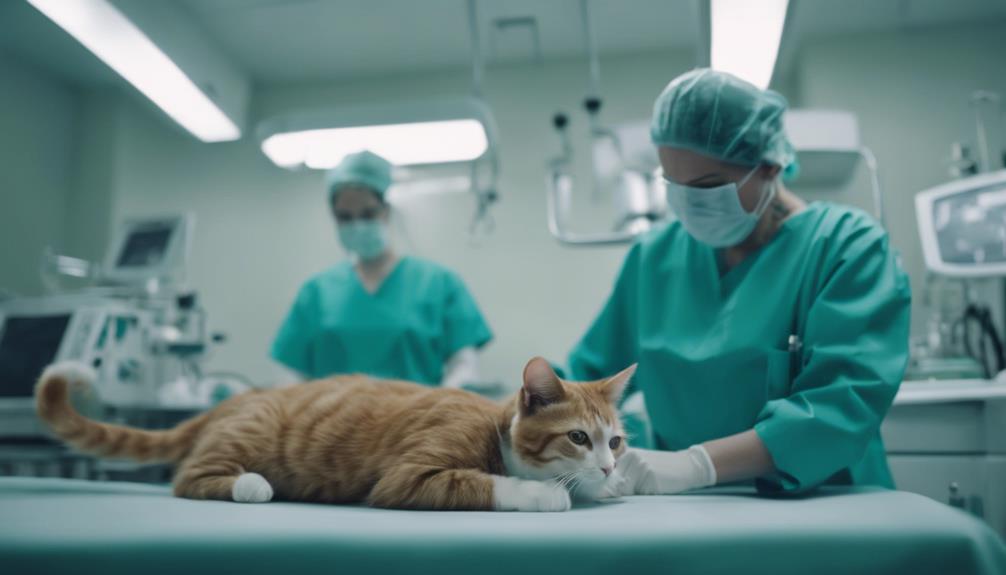
After carefully selecting the right cat that fits your lifestyle and living space, the next important step in ensuring the well-being of your feline companion is spaying or neutering.
- Spaying or neutering helps reduce overpopulation of cats.
- Health benefits include decreased risks of infections and tumors.
- Behavioral issues, such as aggression, are reduced.
- Mating instincts like roaming and spraying are diminished.
Nutritional Recommendations
Ensuring peak health for your cat begins with providing the right balance of essential nutrients through proper nutritional recommendations. Choose age-appropriate nutrition to support kittens, adults, and senior cats.
Consult your veterinarian for advice on cat food brands and feeding guidelines. Harmful foods such as chocolate and onions should be avoided.
Monitor your cat's weight closely and adjust portion sizes as necessary to maintain a healthy body condition.
Behavioral Enrichment
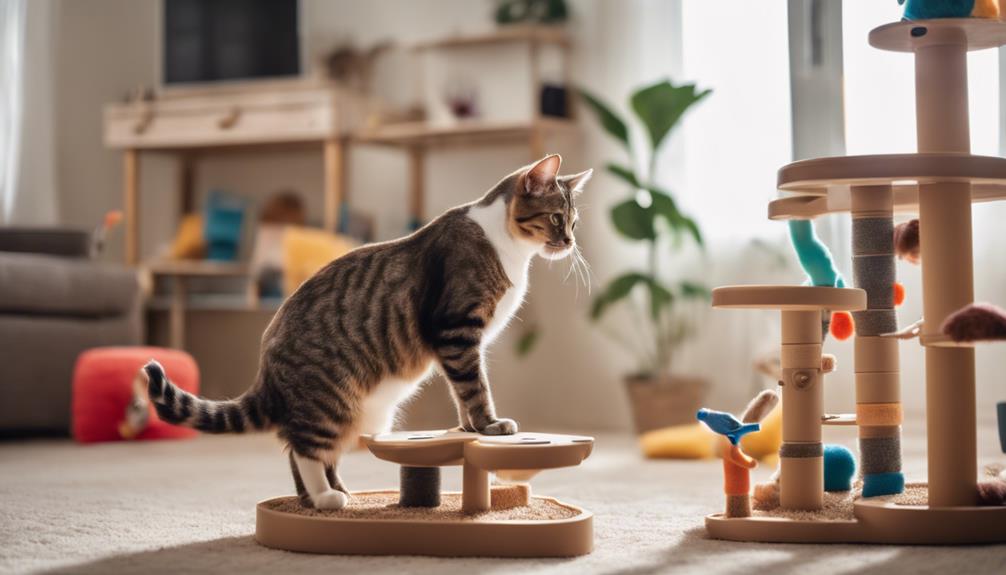
A key aspect of fostering a cat's overall well-being is providing behavioral enrichment opportunities that cater to their natural instincts and cognitive needs.
- Provide interactive toys and puzzles for mental stimulation.
- Rotate toys regularly to maintain interest.
- Offer scratching posts and climbing structures to satisfy instincts.
- Create high vantage points for observation.
Grooming Tips
Grooming your cat involves more than just brushing their fur regularly. Trimming their nails carefully is essential to prevent any discomfort or injuries.
Additionally, bathing your cat when necessary can help maintain their cleanliness and overall health.
Brushing Fur Regularly
Regular brushing of a cat's fur is essential for maintaining its health and appearance.
- Helps prevent matting, hairballs, and shedding.
- Distributes natural oils for a healthy, shiny coat.
- Long-haired cats may need daily brushing to prevent tangles.
- Detects skin abnormalities early.
Remember to use a cat-specific brush to groom your cat gently and effectively.
Trimming Nails Carefully
To maintain your cat's overall well-being, proper trimming of their nails is an essential aspect of their grooming routine. Use specially designed cat nail clippers to trim nails safely, avoiding cutting the quick. Regularly trimming your cat's nails prevents issues like overgrowth. Provide positive reinforcement during nail trimming sessions to create a positive experience. Seek professional help if unsure.
| Nail Trimming Tips | |
|---|---|
| Use cat nail clippers | |
| Identify the quick | |
| Provide positive reinforcement |
Bathing When Necessary
When addressing the cleanliness of your feline companion, it is essential to discern the appropriate timing for bathing, aligning with their grooming needs.
- Use a cat-specific shampoo to maintain skin and coat health.
- Older cats, those with health issues, or those unable to groom themselves may need assistance.
- Seek veterinarian advice on the frequency and technique of bathing.
- Only bathe your cat when necessary, such as after getting into sticky substances or dirt.
Can Proper Cat Care Help Reduce the Need for Sedation?
Proper cat care, including regular exercise and mental stimulation, can help reduce the need for sedating your feline friend. Creating a safe and stimulating environment can reduce stress and anxiety in cats, potentially minimizing the need for sedation during vet visits or travel.
Veterinary Care
Maintaining a cat's best health necessitates consistent veterinary care. Regular veterinary check-ups are essential, even for seemingly healthy cats.
Neutering can prevent diseases and reduce roaming, while choosing a cat-friendly veterinarian ensures specialized care. Vaccinations safeguard against common illnesses, maintaining overall well-being.
Proper dental care is important, as dental issues can impact a cat's health greatly. Regular veterinary care is necessary for ensuring a cat's long-term health and happiness.