How To Tell If Your Cat Was Poisoned


To tell if your cat was poisoned, watch for symptoms like vomiting, diarrhea, drooling, seizures, or breathing difficulties. Common household poisons for cats include human medications, toxic plants, and certain human foods like chocolate and grapes. If you suspect poisoning, seek immediate veterinary care. Treatments may involve antidotes, monitoring for organ damage, and supportive care. React quickly to signs of poisoning to safeguard your cat's well-being. Be aware of toxic foods like chocolate, grapes, and onions. Taking swift action is essential for your cat's health and recovery.
Recognizing Poisoning Symptoms in Cats

Detecting potential poisoning in cats requires vigilant observation of their behavior and physical condition for any abnormal signs or symptoms that may indicate exposure to toxic substances. Look for symptoms like vomiting, diarrhea, drooling, seizures, or difficulty breathing.
Monitor behavioral changes such as lethargy, loss of appetite, or disorientation. Check for physical signs like dilated pupils, tremors, or abnormal heart rate to identify possible poisoning in cats. Seek immediate veterinary care if poisoning is suspected for prompt treatment.
Common Household Poisons for Cats
Common household poisons for cats encompass a range of substances that pose a significant risk to feline health and well-being.
- Human medications like pain relievers and antidepressants
- Toxic indoor and outdoor plants
- Poisonous human foods like chocolate and grapes
Diagnosis and Treatment of Cat Poisoning
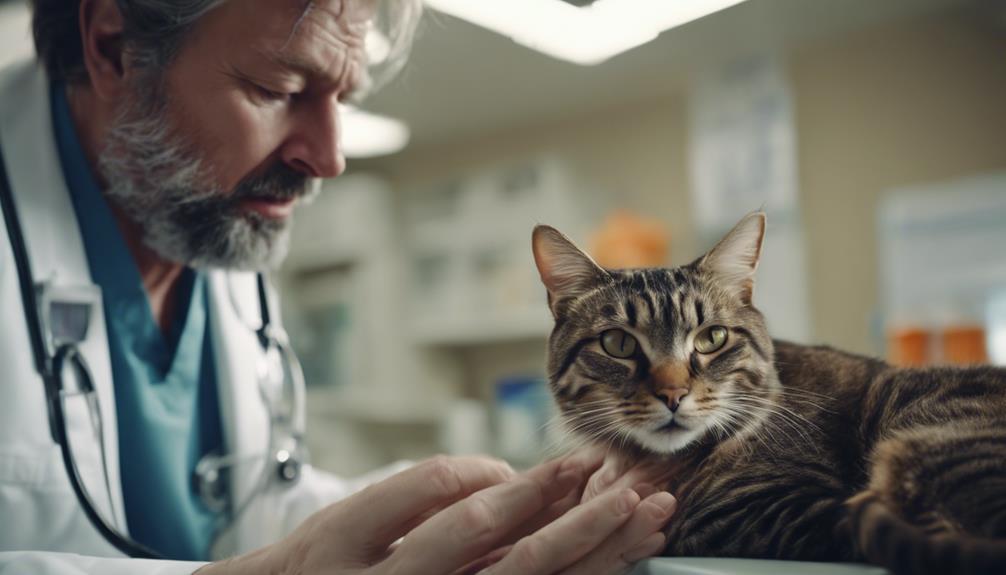
When suspecting cat poisoning, it is vital to observe symptoms, seek immediate veterinary care, and consider the various treatment options available.
Symptoms such as vomiting, lethargy, and seizures may indicate poisoning, necessitating swift professional intervention.
Treatment options can range from decontamination to antidotes, with the aim of managing symptoms, minimizing complications, and ensuring the cat's recovery.
Symptoms of Poisoning
Symptoms indicative of cat poisoning, such as vomiting, diarrhea, drooling, seizures, and breathing difficulties, require immediate veterinary attention for accurate diagnosis and appropriate treatment.
- Prompt identification helps in preventing further complications.
- Different types of poisoning may exhibit similar symptoms, making professional evaluation critical.
- Early intervention can greatly improve the cat's chances of recovery.
Immediate Veterinary Care
Seeking immediate veterinary care is paramount in diagnosing and treating cases of cat poisoning effectively. Quick action is essential for determining the type of poisonous substance involved. Timely treatment greatly impacts the cat's recovery. Providing detailed information to the vet aids in accurate diagnosis and treatment. Early intervention plays an important role in the successful management of cat poisoning emergencies.
| Quick Action | Timely Treatment |
|---|---|
| Determine the poison | Administer antidotes |
| Prevent further harm | Monitor closely |
| Improve prognosis | Supportive care |
Treatment Options Available
In cases of cat poisoning, immediate diagnosis and treatment are vital to guarantee the best outcome for the affected feline.
- Emergency veterinary care is essential for quick intervention.
- Monitoring for organ damage and toxicity levels through tests.
- Supportive care including intravenous fluids and medications may be necessary.
Reacting to Cat Poisoning Signs

Upon observing any unusual behaviors or physical signs in your cat, it is important to act swiftly in response to potential poisoning. Look for symptoms like vomiting, diarrhea, drooling, seizures, or difficulty breathing.
Monitor behavioral changes such as lethargy, loss of appetite, or disorientation. Check for physical signs like dilated pupils, tremors, or abnormal heart rate.
Keep track of any exposure to toxic substances and seek immediate veterinary care if you suspect your cat has been poisoned.
Toxic Foods for Cats
Certain foods can be toxic to cats and should be avoided to prevent poisoning incidents.
Chocolate, onions, garlic, grapes, raisins, xylitol, alcohol, caffeine, dairy products, raw meat, fish, eggs, avocado, macadamia nuts, and certain spices are among the common culprits.
Being aware of these toxic foods and keeping them out of reach of your feline companion is essential for their well-being and health.
Dangerous Foods for Cats
Consuming certain foods can pose serious health risks for cats, as they are particularly sensitive to toxic substances commonly found in human foods.
- Chocolate contains theobromine, causing vomiting and seizures.
- Grapes and raisins can lead to kidney failure.
- Onions and garlic can cause anemia and weakness in cats.
Common Cat Toxins
Chocolate, grapes, onions, garlic, xylitol, and various houseplants such as lilies, poinsettias, and philodendrons are among the common cat toxins that pet owners should be vigilant about to prevent accidental ingestion leading to potential poisoning.
Additionally, alcohol, medications like acetaminophen and ibuprofen, as well as certain foods like raw fish, bones, and fat trimmings can cause gastrointestinal issues or poisoning in cats.
Recognizing symptoms of poisoning is essential for prompt treatment.
Identifying Poisonous Plants for Cats

Identifying common poisonous plants for cats is essential for safeguarding your feline companion's health and well-being.
- Some common poisonous plants for cats are lilies, tulips, azaleas, and poinsettias.
- Symptoms of plant poisoning in cats include drooling, vomiting, diarrhea, and difficulty breathing.
- Keep toxic plants out of reach of cats to prevent accidental ingestion.
Emergency Actions for Cat Poisoning
In cases of suspected cat poisoning, immediate action is crucial to safeguard the well-being and safety of your feline companion.
Contact the veterinarian right away if poisoning is suspected.
Remove the cat from the toxic substance to prevent further exposure.
Collect a sample of the poison for analysis by the vet.
Avoid trying to treat symptoms without professional guidance to guarantee the best treatment and outcome for your cat.
Can a Poisoned Cat’s Symptoms be Similar to Those of an Animal Attack?
When it comes to identifying animal attacks on cats, it’s important to consider the symptoms of poisoning. The symptoms of a poisoned cat can be similar to those of an animal attack, making it difficult to determine the cause without proper examination. Keep an eye out for common signs such as vomiting, lethargy, and difficulty breathing.
Preventing Cat Poisoning Risks
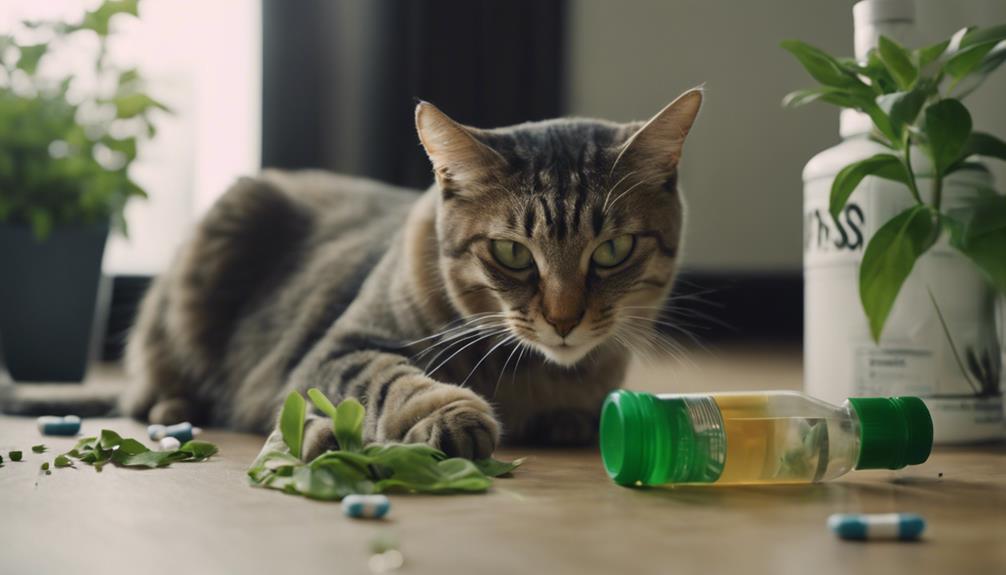
To minimize the risk of cat poisoning, it is vital to take proactive measures to secure toxic substances and guarantee a safe environment for your feline companion.
- Store toxic substances securely out of reach.
- Consult a veterinarian before giving medications.
- Be cautious with essential oils and household items.