How To Tell What Animal Killed Your Cat


To determine the animal that killed your cat, look for puncture wounds on the head or neck, indicating a possible coyote attack. Checking for specific bite and claw marks can also help identify the predator. Analyzing tracks, paw prints, and claw marks near the cat's body is essential. Consulting wildlife experts for insights on local predators and their behaviors is recommended. Setting up cameras and traps for surveillance can aid in identifying the culprit. Understanding different predator hunting behaviors, such as kill-and-leave or neck-biting tactics, can offer valuable clues. Discover the mystery behind your cat's demise through these investigative steps.
Identifying Animal Predators From Cat Wounds
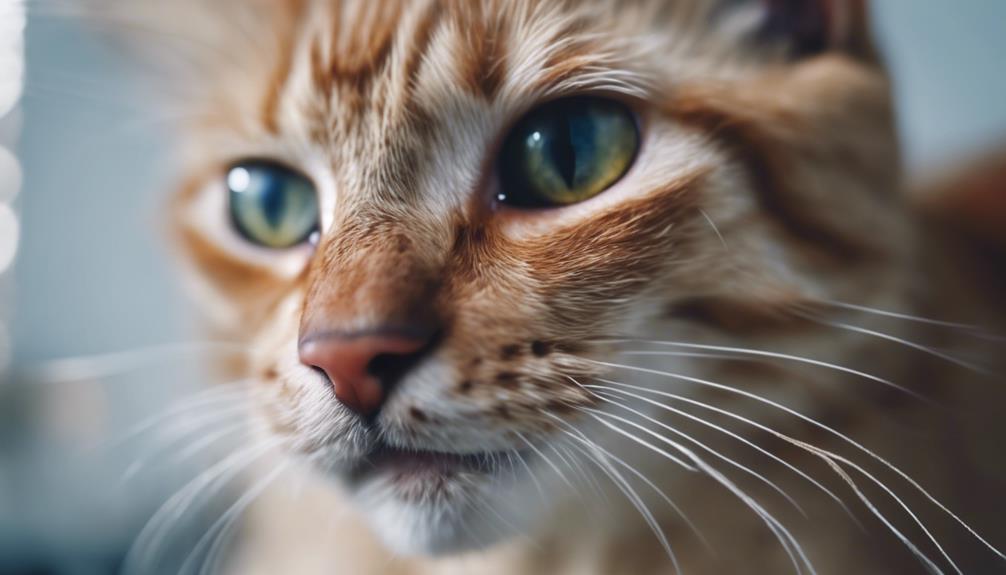
When investigating the cause of a cat's death, identifying animal predators from the wounds present on the cat's body is essential for determining the responsible predator species.
Look for puncture wounds on the head or neck, common in coyote attacks on cats.
Examine open abdominal cavities for signs of coyote attacks.
Specific bite and claw marks can pinpoint the type of animal responsible for the cat's demise.
Analyzing Tracks and Physical Evidence
In the investigation of determining the predator responsible for a cat's death, analyzing tracks and physical evidence plays a crucial role in identifying the potential species involved. Look for paw prints, claw marks, or distinctive track patterns near the cat's body.
Measure the size and shape of the tracks to determine the potential predator's species. Note any signs of scavenging, such as torn fur or scattered remains, around the cat.
Identify specific characteristics like the number of toes or nail marks in the tracks.
Consulting Wildlife Experts for Insights
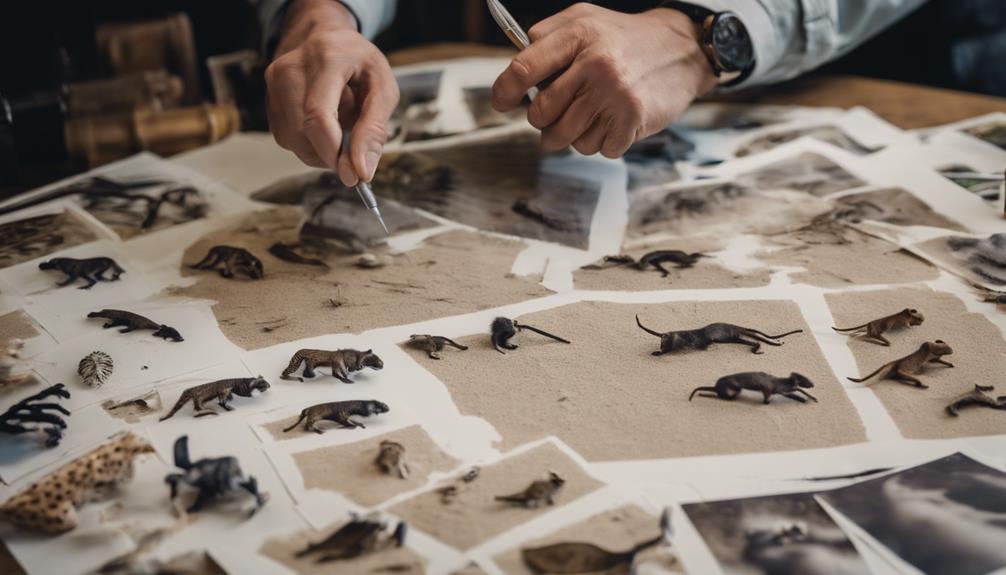
Engaging wildlife experts to gain valuable insights on identifying the predator responsible for attacking your cat is essential in understanding the circumstances surrounding the incident.
These experts can provide detailed knowledge on local wild animals, their prey drives, and the typical behavior of predators when an animal is attacked.
Setting Up Cameras and Traps
To enhance surveillance and gather important evidence, strategically positioning cameras and traps around your property is a proactive step in identifying the predator that may have harmed your cat.
Place motion-activated trail cameras in key locations and set up humane traps with bait. Guarantee proper placement and monitoring to prevent interference.
Review captured footage and trap results to determine the potential predator, aiding in subsequent actions such as contacting animal control.
Could an animal that killed my cat also cause a broken tail in a cat?
If a cat’s tail is injured, it’s important to consider the possibility of a spot broken cat tail. However, determining the cause can be difficult. While an animal that killed your cat could potentially cause a broken tail in a cat, only a veterinarian can provide a definitive answer.
Understanding Hunting Behaviors of Predators
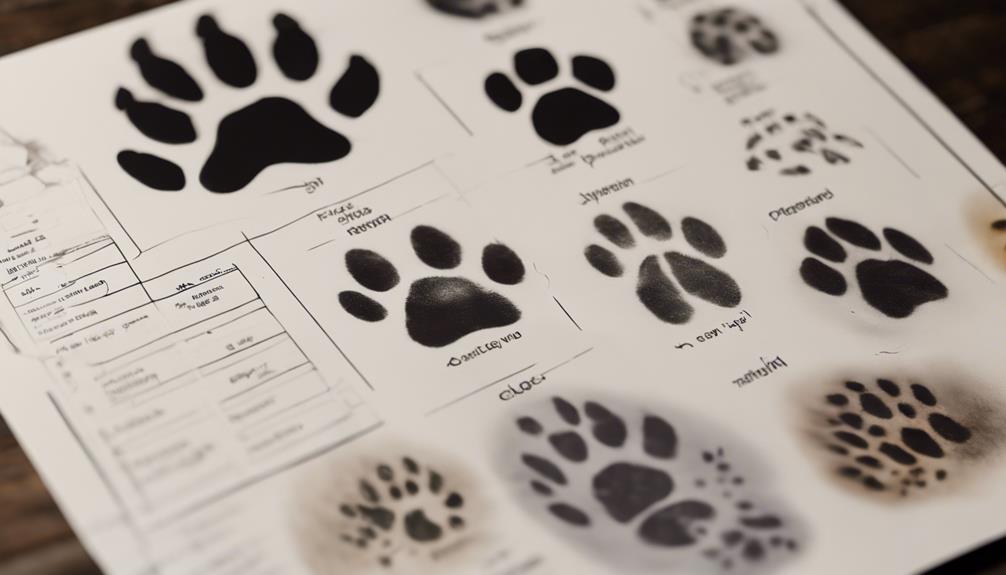
Understanding the hunting behaviors of predators is crucial in identifying the animal responsible for attacking a cat. Different species exhibit distinct patterns influenced by their innate instincts and natural tendencies. Dogs may display a kill-and-leave behavior, while weasels are known for neck-biting hunting tactics.